Educational apps and toys trends 2026 are reshaping how children learn and play. Parents and educators now face an exciting landscape of new technologies and innovative products. From AI-driven learning platforms to eco-friendly toys, the market is responding to demands for smarter, more engaging educational tools. This guide breaks down the key trends shaping the industry, helping families and schools make informed choices about the products that will define childhood learning in the coming year.
Table of Contents
ToggleKey Takeaways
- AI-powered educational apps and toys in 2026 create personalized learning paths by adapting to each child’s pace, strengths, and skill gaps in real time.
- Mixed reality (MR) toys are becoming more affordable, allowing children to interact with virtual objects in their physical environment for immersive learning.
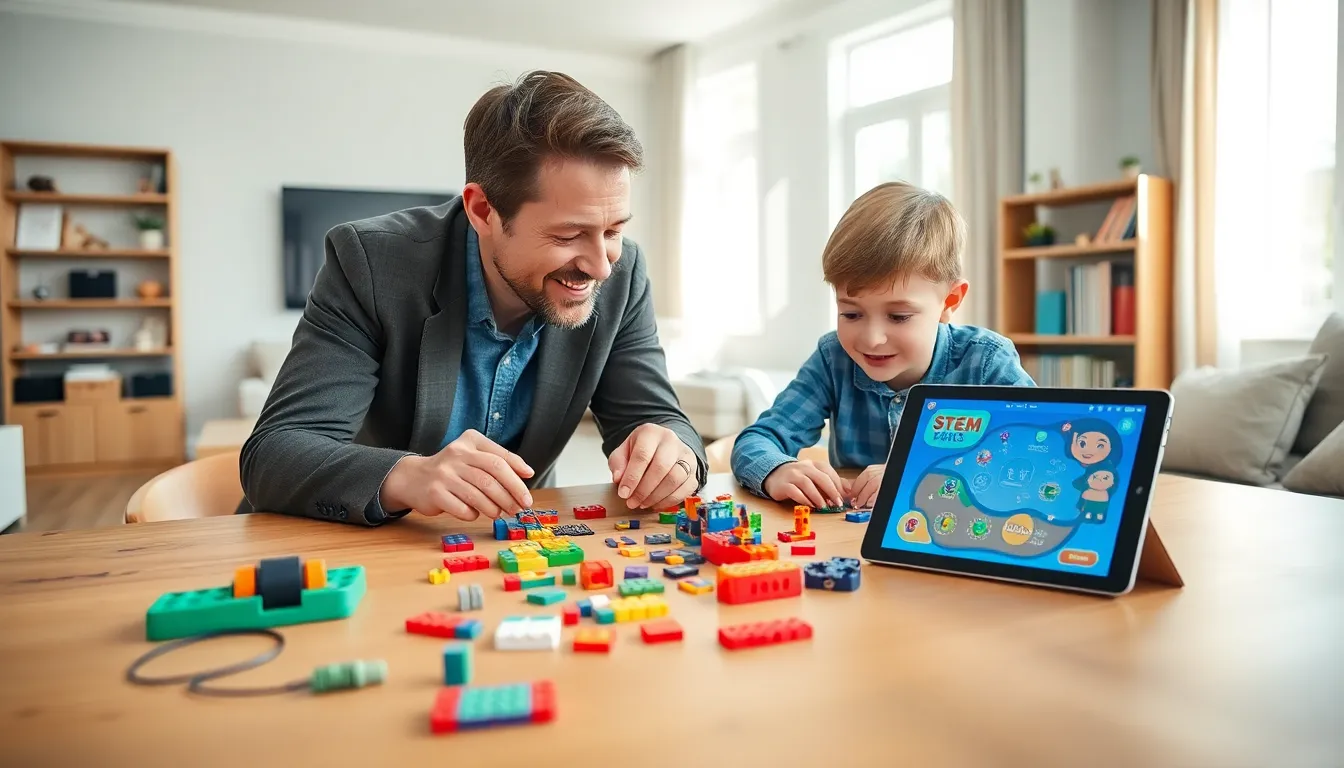
- STEM and STEAM toys continue to evolve with screen-free coding options for kids as young as four and stronger integration of arts and creativity.
- Screen-free tech toys are gaining momentum as parents seek technology-driven learning without excessive screen exposure.
- Sustainability is shaping educational apps and toys trends 2026, with manufacturers switching to recycled materials, plant-based alternatives, and take-back programs.
- Parents and educators can access valuable dashboards and progress reports to track children’s development and reinforce learning at home or school.
AI-Powered Personalized Learning Experiences
Artificial intelligence is transforming educational apps and toys in 2026. These products now adapt to each child’s learning pace, strengths, and areas that need improvement.
AI-powered apps track how a child interacts with content. They identify patterns in mistakes and adjust difficulty levels in real time. If a child struggles with multiplication but excels at reading, the app shifts focus accordingly. This creates a custom learning path for every user.
Toy manufacturers are integrating similar technology into physical products. Smart robots and interactive devices now respond to a child’s voice, questions, and play style. They offer hints when a child gets stuck and increase challenges when tasks become too easy.
The benefits extend beyond academics. AI-driven tools help children build confidence by celebrating small wins. They reduce frustration by preventing repeated failures on concepts a child hasn’t mastered yet.
For parents and educators, these tools provide valuable insights. Dashboards show progress reports, highlight skill gaps, and suggest activities to reinforce learning at home or in the classroom. Educational apps and toys trends 2026 point toward even deeper personalization as AI technology continues to improve.
The Rise of Mixed Reality in Educational Play
Mixed reality (MR) combines physical toys with digital experiences. In 2026, this technology is becoming more accessible and affordable for families.
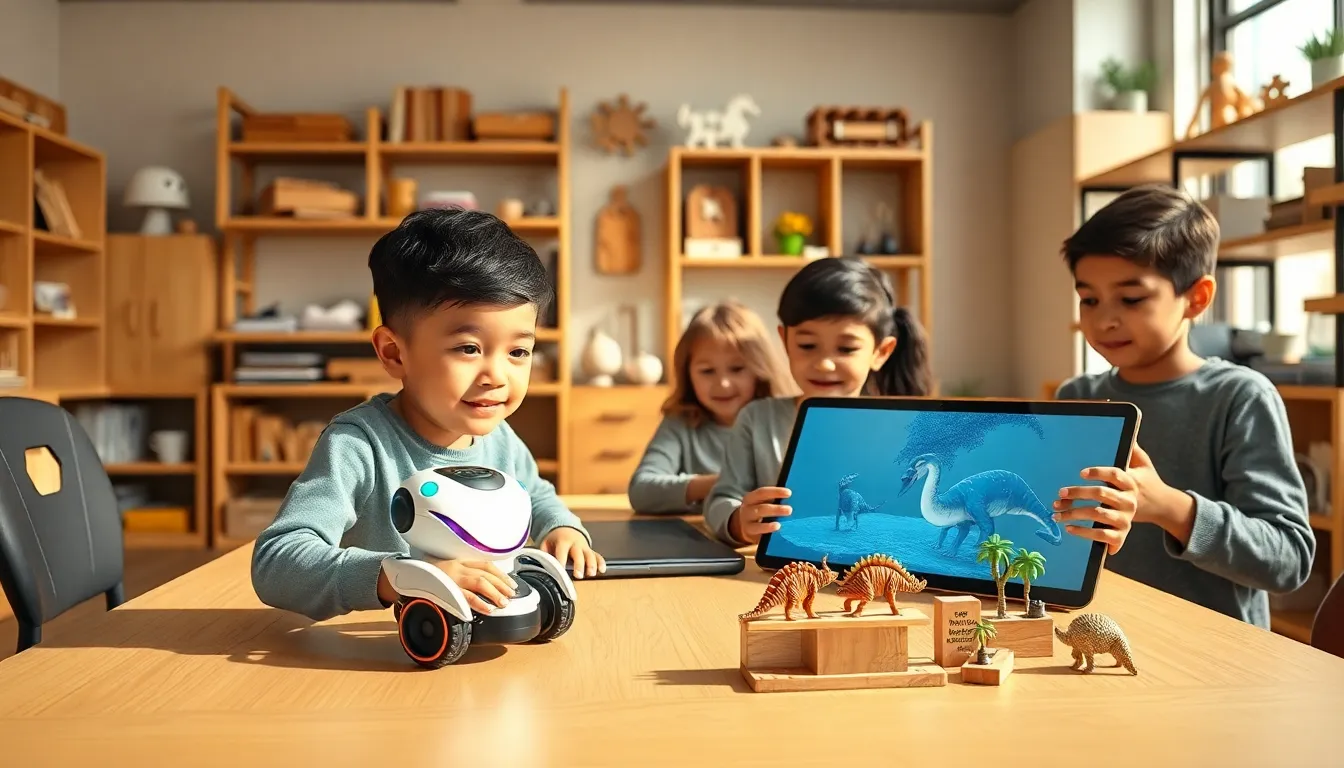
MR educational toys allow children to interact with virtual objects in their real environment. A child might use a tablet to see dinosaurs walking across their living room floor while learning about prehistoric life. Science kits now include MR components that show chemical reactions in 3D or demonstrate how the human heart pumps blood.
Schools are adopting MR for subjects that benefit from visual demonstration. Geography lessons come alive when students explore virtual volcanoes or walk through ancient civilizations. Math concepts become tangible when children manipulate 3D shapes floating in front of them.
The hardware requirements are dropping. Many MR experiences now work with standard smartphones and tablets. Dedicated MR headsets designed for children offer lighter, more comfortable options than adult versions.
Safety remains a priority. Developers are building in screen time limits, eye-strain protections, and parental controls. Educational apps and toys trends 2026 show that mixed reality will play a larger role in how children experience learning, blending the physical and digital in meaningful ways.
STEM and STEAM Toys Continue to Evolve
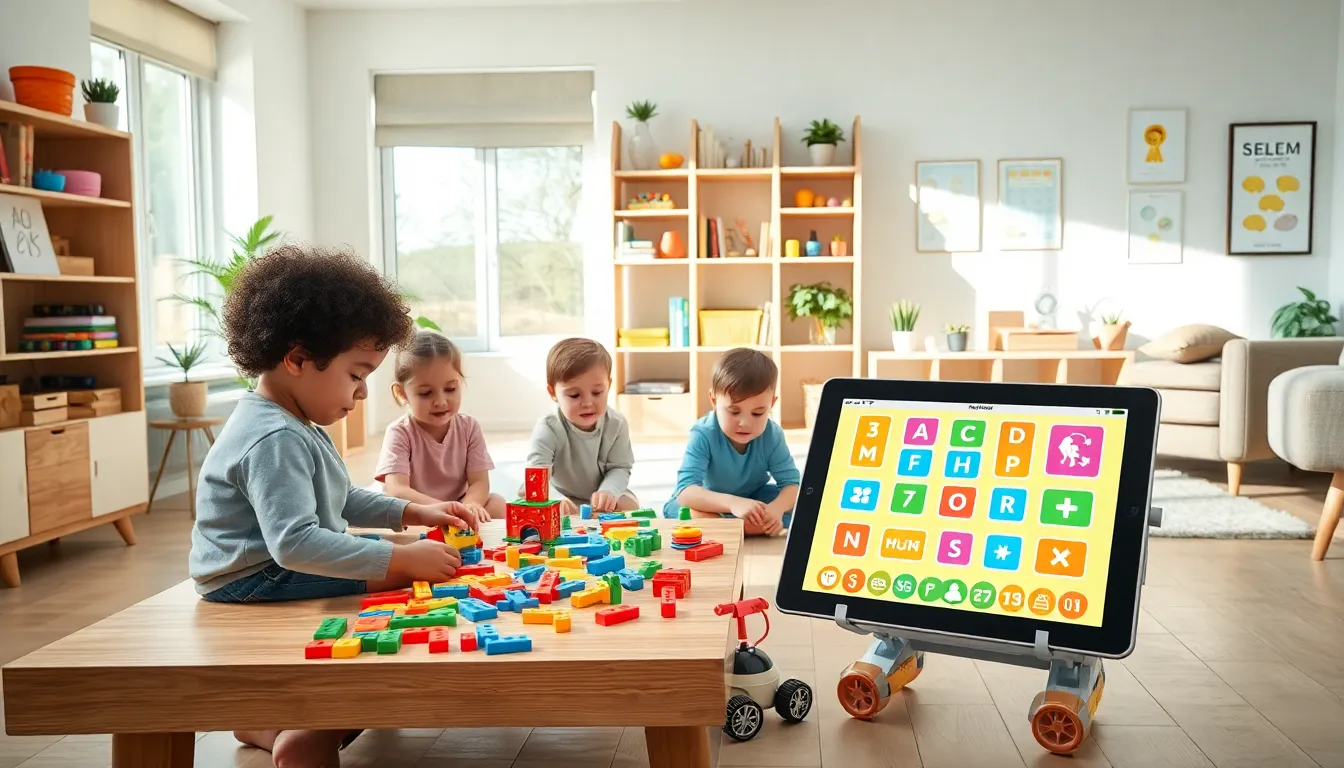
STEM and STEAM toys remain central to educational apps and toys trends 2026. These products teach science, technology, engineering, arts, and mathematics through hands-on play.
Coding toys are getting smarter. Entry-level options now teach programming logic to children as young as four without requiring screens. More advanced kits let older kids build and program robots that complete real-world tasks.
Engineering sets focus on practical problem-solving. Children design bridges, vehicles, and machines, then test whether their creations work. Failure becomes part of the learning process, teaching resilience and critical thinking.
The arts component, the “A” in STEAM, is gaining attention. New products blend creativity with technical skills. Kids might design a digital character, then 3D print it. Or they compose music using coding blocks that trigger different sounds and rhythms.
Educators appreciate that STEM and STEAM toys align with classroom curricula. Many products include lesson plans and activity guides. This makes integration into school settings straightforward.
Gender-neutral marketing and diverse representation in packaging are also shaping STEM toy design. Companies want all children to see themselves as future scientists, engineers, and artists.
Screen-Free Tech Toys Gain Momentum
Screen-free tech toys are a growing category within educational apps and toys trends 2026. These products deliver technology-driven learning without tablets, phones, or computers.
Parents concerned about excessive screen time are driving demand. They want children to benefit from modern educational tools while limiting exposure to screens. Manufacturers are responding with creative solutions.
Audio-based learning devices let children listen to stories, music, and educational content. Some devices are child-controlled, allowing kids to select topics by inserting cards or pressing buttons. Others respond to voice commands.
Coding robots that operate without screens teach programming through physical interaction. Children arrange tangible coding blocks or press sequences of buttons to direct the robot’s movements. The feedback is immediate and visual, the robot either follows instructions or doesn’t.
Electronic building sets and circuit kits fall into this category too. Kids learn about electricity, magnetism, and engineering by constructing working devices. Lights flash, motors spin, and sounds play, all without a screen in sight.
These toys prove that technology-enhanced learning doesn’t require constant screen exposure. They offer balance for families seeking smarter ways to manage digital consumption.
Sustainability and Eco-Friendly Learning Products
Sustainability influences educational apps and toys trends 2026. Parents and educators increasingly prefer products that minimize environmental impact.
Toy manufacturers are switching to recycled and recyclable materials. Plastic use is declining as companies explore alternatives like bamboo, organic cotton, and plant-based bioplastics. Packaging is shrinking, and many brands now ship products in minimal, recyclable cardboard.
Digital educational apps contribute to sustainability by reducing physical waste entirely. Subscription-based learning platforms eliminate the need for workbooks and disposable materials. Updates happen through downloads rather than new product purchases.
Some companies offer take-back programs. Families return outgrown toys, which are refurbished and resold or recycled responsibly. This circular approach appeals to environmentally conscious consumers.
Educational content itself reflects these values. Apps and toys teach children about climate change, conservation, and responsible consumption. Kids learn to care for the planet while developing academic skills.
Transparency matters to buyers. Brands that share information about their supply chains, manufacturing processes, and carbon footprints earn trust. Greenwashing, making false or exaggerated environmental claims, faces increasing scrutiny from informed parents.