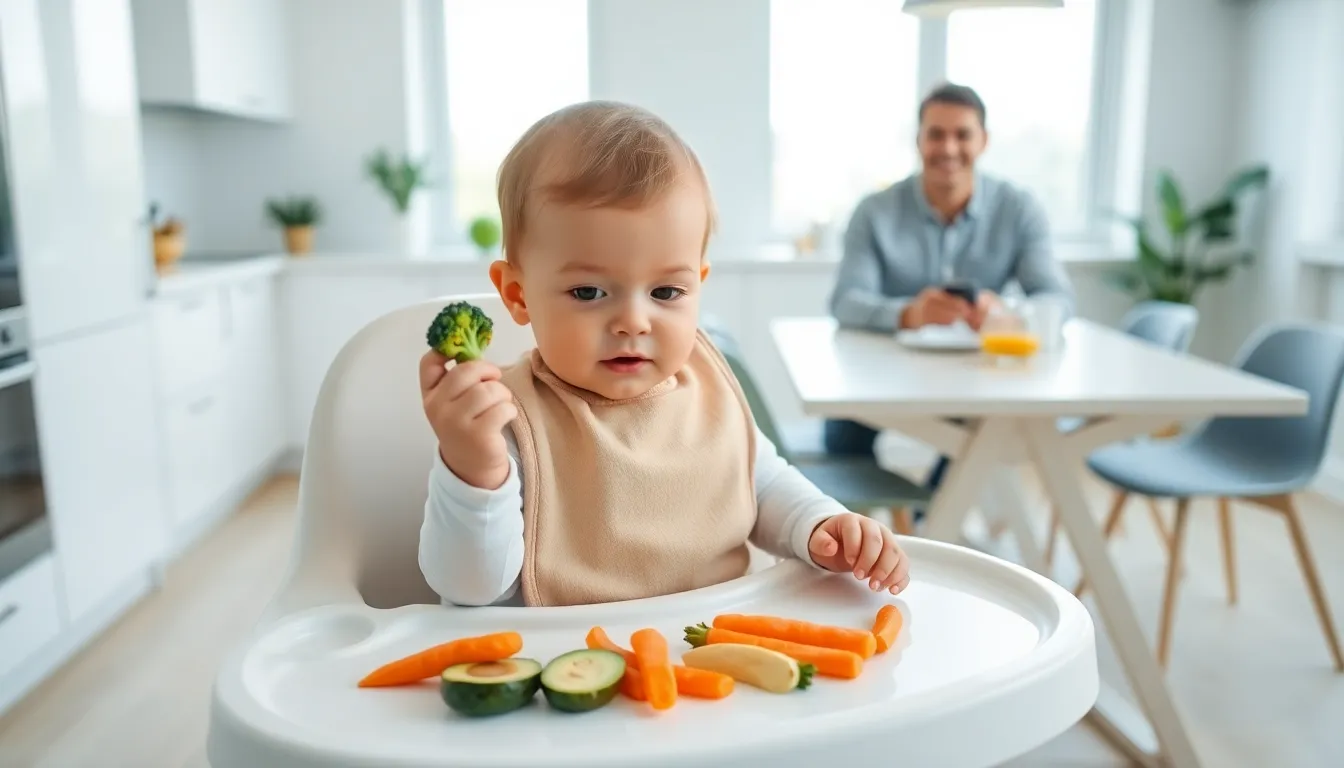

The best baby-led weaning approach lets infants feed themselves solid foods from the start. Instead of purees and spoon-feeding, babies grab soft finger foods and explore textures on their own terms. This method has gained popularity among parents who want to encourage independence and healthy eating habits early.
Baby-led weaning offers real benefits. Research shows it may reduce picky eating later in childhood. Babies develop motor skills faster and learn to recognize hunger cues naturally. But getting started can feel uncertain. What foods work best? When should parents begin? How do they keep babies safe?
This guide answers those questions. Parents will learn the basics of baby-led weaning, discover the best first foods, and pick up practical safety tips. Whether someone is considering this approach or already started, this resource provides clear direction for a successful baby-led weaning journey.
Table of Contents
ToggleKey Takeaways
- The best baby-led weaning approach lets infants self-feed soft finger foods from around six months, skipping purees entirely.
- Look for developmental readiness signs like sitting upright, losing the tongue-thrust reflex, and showing interest in food before starting.
- Start with soft, graspable foods like avocado strips, steamed sweet potato sticks, and ripe banana spears cut into finger-length pieces.
- Always supervise meals, learn infant CPR, and avoid choking hazards like whole grapes, nuts, and raw hard vegetables.
- Gagging is normal and protective—it helps babies learn to manage food safely in their mouths.
- Expect mess and food rejection early on; most babies need 10–15 exposures before accepting a new food.
What Is Baby-Led Weaning?
Baby-led weaning is a feeding method where babies eat solid foods independently from the beginning. Parents skip the traditional puree stage entirely. Instead, they offer soft, graspable foods that babies can pick up and eat themselves.
The term was popularized by British health visitor Gill Rapley in the early 2000s. Her research suggested that babies are capable of self-feeding earlier than most parents assume. The key principle is simple: babies control what goes into their mouths, how much they eat, and when they stop.
This differs from traditional weaning in several ways. With spoon-feeding, parents control portion sizes and feeding pace. Baby-led weaning puts the baby in charge. They explore food at their own speed and develop preferences naturally.
The best baby-led weaning practices focus on offering variety. Babies try different textures, colors, and flavors from the start. This exposure may help them accept a wider range of foods as they grow older.
Family meals become easier with this approach. Babies can eat modified versions of what everyone else enjoys. A parent eating steamed broccoli? The baby gets some too. This shared experience makes mealtimes more social and less stressful for caregivers.
When to Start Baby-Led Weaning
Most babies are ready for baby-led weaning around six months of age. The American Academy of Pediatrics recommends exclusive breastfeeding or formula until this point. After six months, babies need additional nutrients that breast milk or formula alone can’t provide.
But age alone isn’t the only factor. Parents should watch for developmental signs that indicate readiness:
- Sitting upright with minimal support. Babies need core strength to eat safely.
- Loss of the tongue-thrust reflex. This reflex pushes food out of the mouth and typically fades around six months.
- Interest in food. Babies may reach for food on someone’s plate or watch intently during meals.
- Ability to grasp objects. Picking up food requires coordination that develops around this age.
Starting too early carries risks. Babies under six months have immature digestive systems and higher choking hazards. Starting too late isn’t ideal either, iron stores from birth begin depleting around six months.
Every baby develops differently. Some show readiness signs at five and a half months: others need another few weeks past six months. Parents should consult their pediatrician if they’re unsure. The best baby-led weaning experience begins when the baby is truly ready, not when a calendar says so.
Best First Foods for Baby-Led Weaning
Choosing the right starter foods makes baby-led weaning safer and more enjoyable. The best first foods for baby-led weaning share common traits: they’re soft, easy to grip, and low-risk for choking.
Here are excellent options to begin with:
- Avocado strips. Soft, nutrient-dense, and easy for babies to hold.
- Steamed sweet potato sticks. Rich in vitamins and naturally sweet.
- Banana spears. Leave some peel on for better grip.
- Soft-cooked broccoli florets. The stem creates a natural handle.
- Ripe mango slices. Soft texture and appealing flavor.
- Well-cooked pasta. Large shapes like fusilli work well.
- Scrambled eggs. Great protein source and easy to grab.
- Shredded chicken. Moistened and soft enough for gums.
Food shape matters for baby-led weaning success. At first, cut foods into long strips or sticks, about the length of an adult finger. Babies use their whole fist to grasp at this stage. As their pincer grip develops around eight to nine months, smaller pieces become appropriate.
Texture is equally important. Foods should squish easily between two fingers. If it doesn’t mash with light pressure, it’s too hard for a baby without teeth.
Variety helps develop taste preferences. Rotate foods regularly. Introduce different colors and flavors each week. Some babies need ten to fifteen exposures before accepting a new food, so persistence pays off.
Safety Tips for Baby-Led Weaning
Safety concerns top the list for parents considering baby-led weaning. The good news? Research shows baby-led weaning is safe when parents follow basic guidelines.
First, understand the difference between gagging and choking. Gagging is normal and actually protective, it moves food forward in the mouth before it reaches the airway. Babies gag frequently when learning to eat. Choking is silent and requires intervention. Parents should learn infant CPR before starting any solid foods.
Foods to avoid completely:
- Whole grapes, cherry tomatoes, or round foods (cut lengthwise instead)
- Whole nuts or large nut pieces
- Popcorn
- Raw carrots or apples
- Hot dogs (unless quartered lengthwise)
- Honey (until age one, due to botulism risk)
- Hard candies
Essential safety practices:
- Always supervise meals. Never leave a baby alone with food.
- Seat babies upright in a proper high chair.
- Avoid distractions during meals, no screens or toys.
- Keep food pieces appropriately sized for the baby’s age.
- Stay calm if gagging occurs. Panicking can frighten the baby.
The best baby-led weaning approach balances freedom with supervision. Babies learn by exploring, but adults must create safe conditions for that exploration. Many pediatricians recommend taking an infant first-aid course before starting solids.
Common Challenges and How to Overcome Them
Baby-led weaning isn’t always smooth. Parents face real challenges, but most have straightforward solutions.
Challenge: Mess
Baby-led weaning gets messy. Food ends up on floors, walls, and everywhere but the baby’s mouth. This is normal. Solution: Use a large splat mat under the high chair. Choose clothes that clean easily. Accept that mess is part of the learning process, babies explore food with all their senses.
Challenge: Slow weight gain concerns
Some parents worry their baby isn’t eating enough. In the early months, most calories still come from breast milk or formula. Solid food is practice, not the main nutrition source. Solution: Continue regular milk feeds. Track weight at pediatric checkups. Most babies self-regulate intake effectively.
Challenge: Food rejection
Babies often refuse new foods initially. They might throw food, spit it out, or ignore it entirely. This doesn’t mean failure. Solution: Keep offering rejected foods without pressure. Eat the same foods alongside the baby. Model enjoyment. Most babies accept foods after multiple exposures.
Challenge: Well-meaning criticism
Grandparents or other family members may question baby-led weaning. They might push for purees or express choking fears. Solution: Share research with skeptics. Explain the safety protocols in place. Invite them to watch a supervised meal. Seeing a confident baby eat often changes minds.
Challenge: Time pressure
Baby-led weaning meals take longer than spoon-feeding purees. Babies eat slowly and play with food. Solution: Build extra time into the meal schedule. Use this as bonding time rather than viewing it as inconvenience.