Educational apps and toys have changed how children learn. These tools turn playtime into opportunities for skill-building, creativity, and cognitive growth. Parents today have access to thousands of options, from interactive tablets to building blocks designed with learning goals in mind.
But with so many choices, finding the right fit can feel overwhelming. Which educational toys work best for toddlers? What makes an app actually educational rather than just entertaining? And how do families strike the right balance between screens and hands-on play?
This guide breaks down everything parents need to know about educational apps and toys. It covers why these tools matter, what categories exist for different ages, and practical tips for making smart choices.
Table of Contents
ToggleKey Takeaways
- Educational apps and toys transform playtime into valuable learning experiences that build cognitive, motor, and social skills.
- Quality educational toys should target specific developmental milestones—from sensory toys for infants to STEM kits for school-age children.
- Evaluate educational apps by checking for clear learning goals, interactive problem-solving, and skill-level progression rather than vague marketing claims.
- Balance screen time with hands-on play, as physical toys engage senses and build neural pathways that touchscreens cannot replicate.
- Pair educational apps with physical activities and set consistent screen-free boundaries to create a healthy, well-rounded learning environment.
Why Educational Apps and Toys Matter for Child Development
Children learn best through play. This isn’t just parenting wisdom, it’s backed by decades of research in developmental psychology. Educational apps and toys leverage this principle by embedding learning into activities kids actually enjoy.
Cognitive benefits come first. Puzzles, building sets, and problem-solving apps strengthen critical thinking skills. A child stacking blocks learns about spatial relationships, gravity, and cause-and-effect. An app teaching phonics builds the foundation for reading.
Motor skill development follows closely behind. Educational toys like threading beads, play dough sets, and drawing apps help children develop fine motor control. These skills translate directly to handwriting, buttoning clothes, and other daily tasks.
Social and emotional growth happens too. Many educational toys encourage cooperative play. Board games teach turn-taking. Role-play sets help children process emotions and practice social scenarios.
Educational apps and toys also build confidence. When a child masters a puzzle or completes a learning game level, they experience genuine achievement. This positive reinforcement creates a healthy relationship with learning that extends into school and beyond.
The key difference between educational toys and regular playthings lies in intentional design. Quality educational apps and toys target specific developmental milestones while keeping engagement high.
Top Categories of Educational Toys for Different Age Groups
Infants (0-12 Months)
Sensory toys dominate this age group. High-contrast books, textured balls, and musical rattles stimulate developing senses. Educational toys for infants focus on cause-and-effect relationships, press a button, hear a sound. Simple stacking cups introduce early concepts of size and sequence.
Toddlers (1-3 Years)
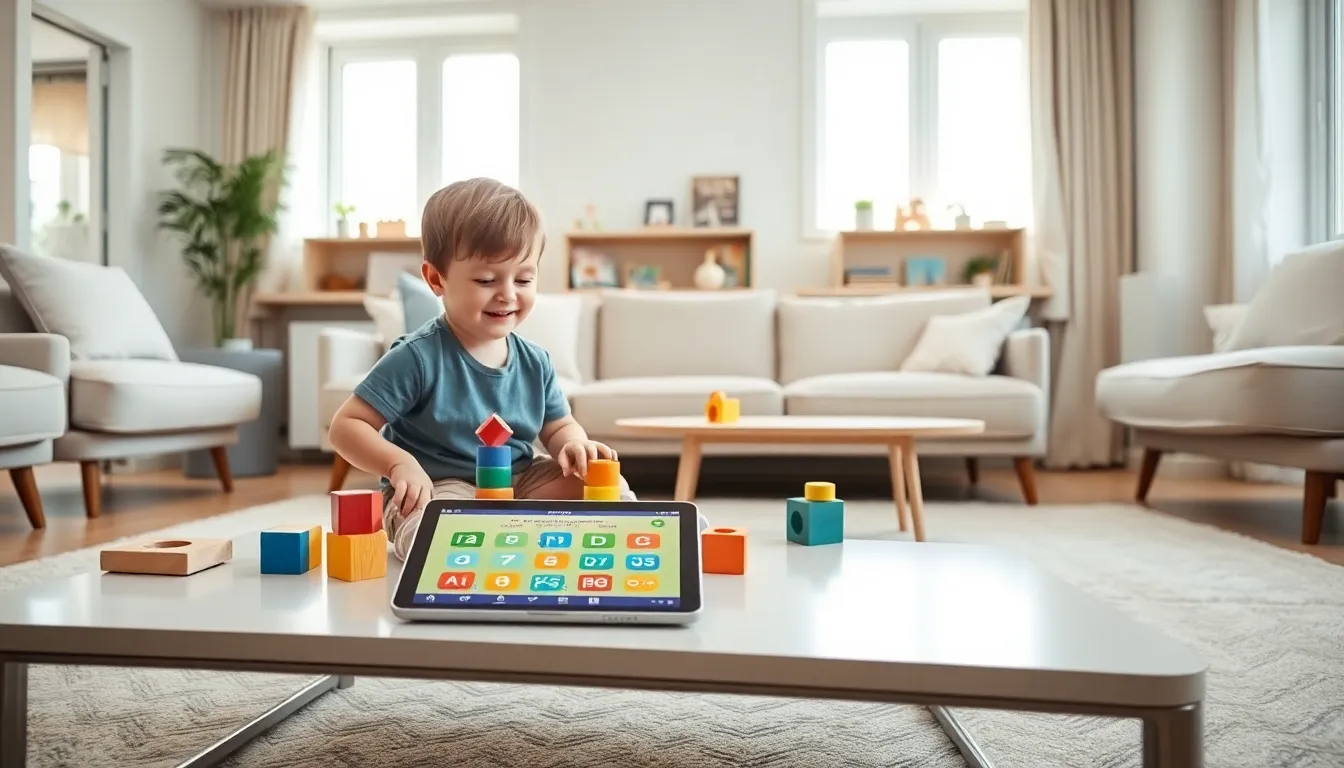
This stage calls for hands-on exploration. Shape sorters teach geometry basics and problem-solving. Wooden blocks encourage creativity and spatial awareness. Simple puzzles with knobs build fine motor skills. Educational apps for toddlers work best when they feature simple touch interactions, bright colors, and immediate feedback.
Language-building toys become important here too. Picture books, alphabet blocks, and apps with letter recognition games support early literacy.
Preschoolers (3-5 Years)
Educational toys grow more sophisticated at this stage. Counting toys, letter magnets, and basic science kits prepare children for formal schooling. Construction sets like magnetic tiles allow for creative building while teaching engineering concepts.
Educational apps for preschoolers can introduce early math, reading readiness, and even basic coding concepts through visual programming games.
School-Age Children (6+ Years)
Older kids benefit from STEM-focused educational toys. Robotics kits, chemistry sets, and coding toys challenge growing minds. Strategy board games develop logical thinking. Educational apps at this level can cover subjects from geography to foreign languages.
Art supplies and musical instruments also count as educational toys, they build creativity, patience, and discipline.
How to Choose the Right Educational Apps for Your Child
Not all apps labeled “educational” deliver on that promise. Many games use the term as marketing while offering little learning value. Parents need clear criteria for evaluation.
Check the learning goals. Quality educational apps state specific skills they target. Vague claims like “fun learning” mean little. Look for apps that name concrete outcomes: letter recognition, counting to 20, or color identification.
Evaluate interaction quality. The best educational apps require active participation. Passive video watching doesn’t build skills the way interactive problem-solving does. Children should make choices, answer questions, and see consequences.
Look for progression. Good educational apps adapt to a child’s skill level. They start simple and increase difficulty as the child improves. This keeps kids challenged without frustrating them.
Read reviews from educators. Teacher recommendations carry weight. Organizations like Common Sense Media rate educational apps based on learning potential, not just entertainment value.
Test before committing. Most quality educational apps offer free trials. Use these to watch how your child engages. Do they focus? Do they seem to learn anything? Or do they just tap randomly?
Consider offline features. Some educational apps work without internet access, helpful for car trips and waiting rooms.
Age ratings matter too. An app designed for eight-year-olds will frustrate a four-year-old, while apps for toddlers won’t challenge older children.
Balancing Screen Time With Hands-On Learning
Educational apps offer real benefits, but they work best as part of a broader learning diet. Physical educational toys provide experiences that screens simply cannot replicate.
Hands-on play builds different neural pathways. When a child manipulates physical objects, stacking blocks, molding clay, or fitting puzzle pieces, they engage their senses in ways that touchscreens don’t allow. The weight, texture, and three-dimensional nature of physical toys add learning dimensions.
The American Academy of Pediatrics recommends limiting screen time for young children. For kids under two, educational apps should be minimal. Ages two to five can benefit from up to one hour daily of high-quality educational content. Older children need consistent limits too.
Practical strategies help families find balance:
- Set clear boundaries. Designate screen-free times like meals and the hour before bed.
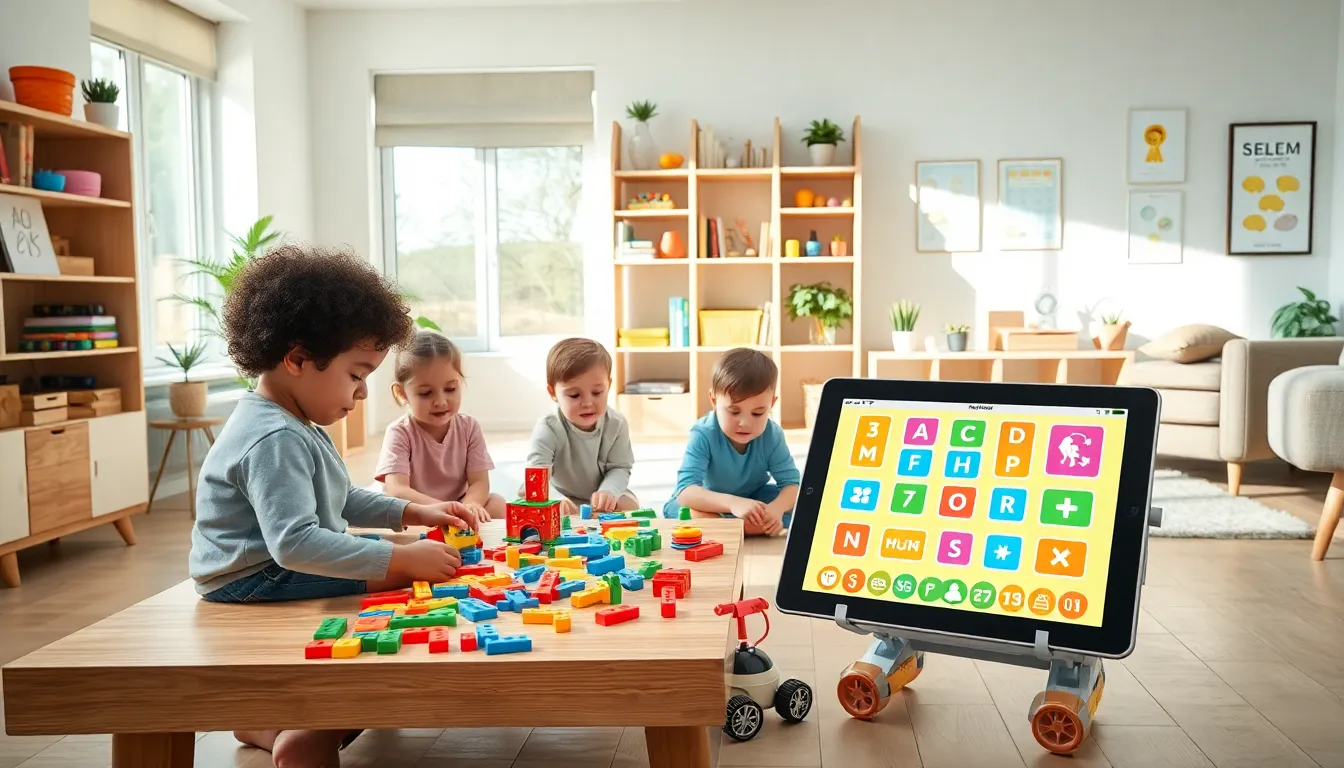
- Pair apps with physical activities. If an educational app teaches shapes, follow up with physical shape sorters.
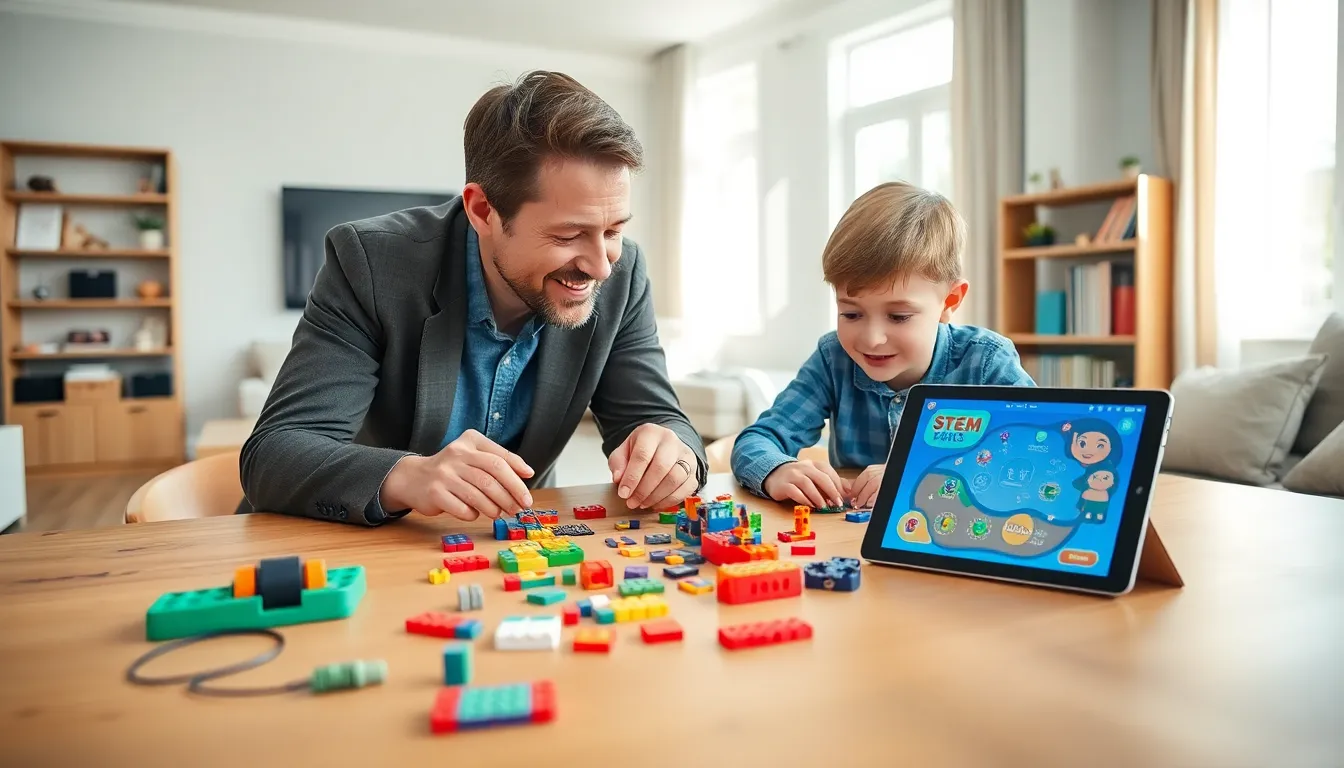
- Use apps together. Co-viewing and co-playing turns screen time into bonding time while letting parents guide the learning.
- Prioritize outdoor play. Nature exploration teaches science concepts no app can match.
Educational toys that don’t require batteries often encourage longer, deeper play sessions. A child might spend five minutes on an app game but an hour building with blocks.
The goal isn’t eliminating screens, it’s creating a healthy mix where educational apps and toys complement each other.