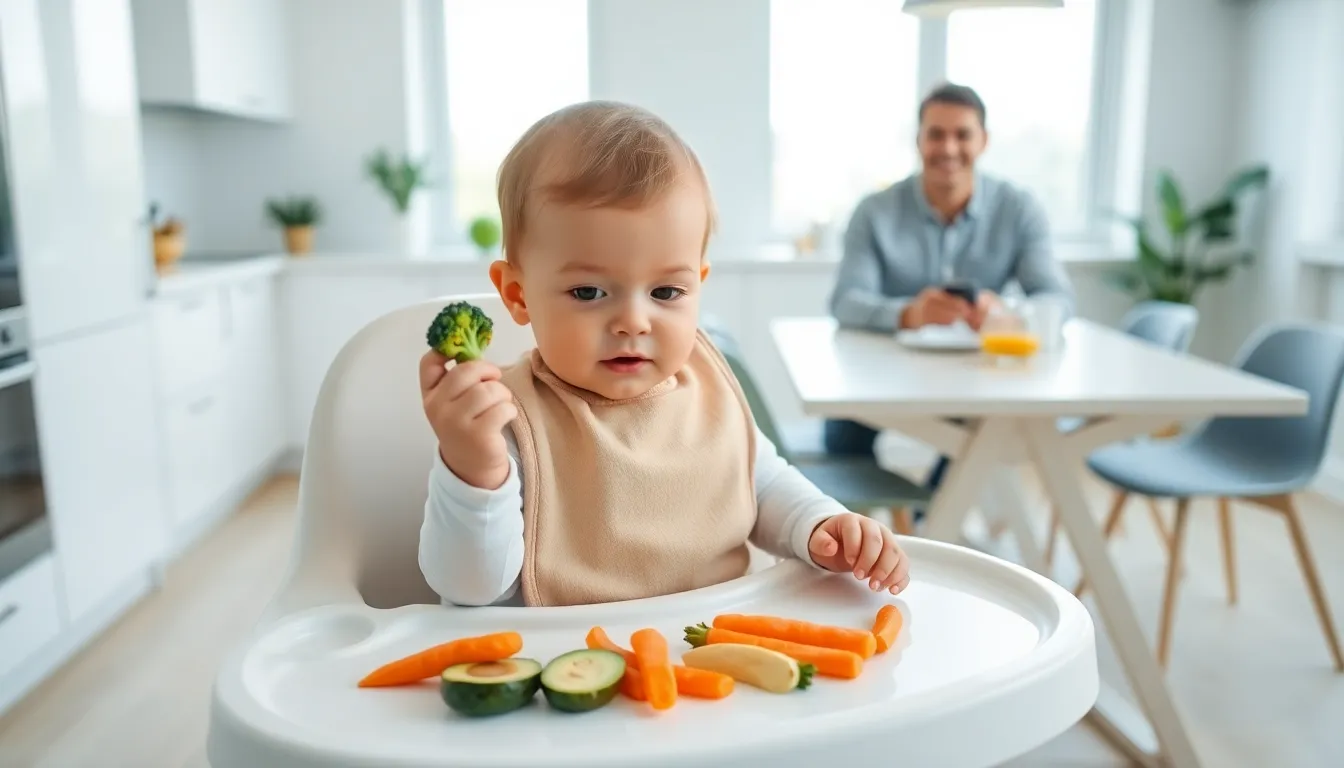
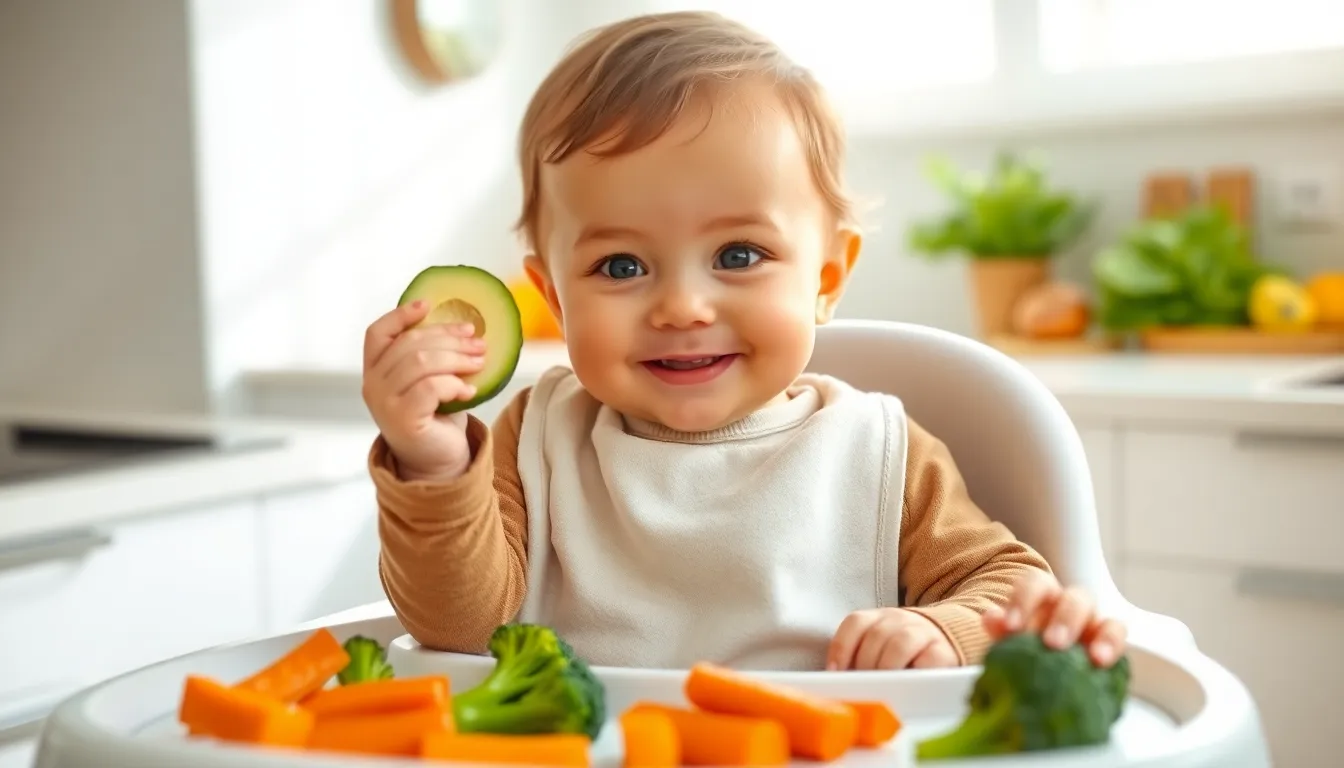
Baby-led weaning tips can transform mealtime from stressful to surprisingly fun. This feeding approach lets babies feed themselves soft finger foods instead of relying on purees and spoon-feeding. Parents across the globe have embraced baby-led weaning because it encourages independence and helps babies develop motor skills early.
Starting solids marks a major milestone. But where do you begin? This guide covers everything from readiness signs to first food choices and essential safety practices. Whether you’re a first-time parent or trying something new with your second child, these baby-led weaning tips will help you get started with confidence.
Table of Contents
ToggleKey Takeaways
- Baby-led weaning lets infants self-feed soft finger foods from around six months, building independence and motor skills early.
- Watch for readiness signs like sitting upright, good head control, and interest in food before starting solids.
- Start with soft, stick-shaped foods like avocado, banana, and steamed vegetables that are easy for babies to grasp.
- Learn the difference between gagging (normal and protective) and choking (silent and dangerous), and take an infant CPR class before beginning.
- Expect exploration over nutrition at first—breast milk or formula remains the primary calorie source until age one.
- Introduce common allergens like eggs and peanuts early and often to reduce allergy risk.
What Is Baby-Led Weaning?
Baby-led weaning (BLW) is a method where infants self-feed solid foods from around six months of age. Instead of parents spoon-feeding purees, babies pick up soft, appropriately-sized pieces of food and eat at their own pace.
The term “weaning” here refers to introducing complementary foods alongside breast milk or formula, not stopping milk feeds entirely. British health visitor Gill Rapley popularized this approach in the early 2000s, and it has since gained mainstream acceptance worldwide.
Baby-led weaning tips often emphasize letting the child lead. Babies decide what goes into their mouths, how much they eat, and how quickly. This differs from traditional weaning, where parents control portion sizes and feeding speed.
Benefits of Baby-Led Weaning
- Motor skill development: Babies practice grasping, chewing, and hand-eye coordination.
- Exposure to textures: They experience varied food textures early, which may reduce picky eating later.
- Family meals: Babies can eat alongside the family, making mealtimes social events.
- Self-regulation: Infants learn to recognize hunger and fullness cues naturally.
Research published in JAMA Pediatrics suggests that babies who self-feed may have a lower risk of becoming overweight, though more studies are needed. The key takeaway? Baby-led weaning tips point toward trusting your child’s instincts.
Signs Your Baby Is Ready for Baby-Led Weaning
Most babies show readiness for solids around six months. But, age alone isn’t the determining factor. Parents should watch for developmental signs that indicate their baby can handle solid foods safely.
Key Readiness Signs
- Sitting upright with minimal support: Babies need core strength to sit in a highchair and swallow safely.
- Good head control: A steady head and neck reduce choking risk.
- Loss of tongue-thrust reflex: Young infants push food out with their tongues. This reflex fades around 4-6 months.
- Interest in food: Reaching for food, watching others eat, and opening their mouths when food approaches signal curiosity.
- Ability to grasp objects: Babies need to pick up food and bring it to their mouths.
The American Academy of Pediatrics recommends exclusive breastfeeding or formula feeding for the first six months. Starting baby-led weaning before four months isn’t safe because the digestive system and motor skills aren’t developed enough.
Some parents feel pressure to start early. Resist that urge. Waiting until your baby displays all readiness signs leads to a smoother, safer experience. These baby-led weaning tips work best when timing aligns with your child’s development.
Best First Foods to Offer
Choosing first foods can feel overwhelming. The good news? Many options work well for baby-led weaning. Focus on soft, easy-to-grip foods that won’t pose a choking hazard.
Great Starter Foods
| Food | Preparation |
|---|---|
| Avocado | Cut into thick strips or wedges |
| Banana | Leave some peel on for grip |
| Steamed broccoli | Florets make natural handles |
| Sweet potato | Steam until soft, cut into sticks |
| Ripe pear | Slice into wedges |
| Soft-cooked carrot | Cut into finger-length pieces |
| Scrambled eggs | Serve in soft clumps |
| Shredded chicken | Ensure it’s moist and tender |
The “stick” or “finger” shape works well for young babies. They use a palmar grasp at first, holding food in their fists. Cut pieces roughly the length of an adult finger so part sticks out for chewing.
Around 8-9 months, babies develop a pincer grasp. Then they can handle smaller pieces like peas, blueberries (quartered), and small pasta shapes.
Foods to Avoid
- Honey (before age one due to botulism risk)
- Whole grapes, cherry tomatoes, or nuts (choking hazards)
- Added salt or sugar
- Low-fat or diet foods
- Unpasteurized dairy
These baby-led weaning tips prioritize safety. Always supervise meals and introduce one new food at a time to identify any allergies.
Essential Safety Tips for Baby-Led Weaning
Safety sits at the heart of successful baby-led weaning. Parents often worry about choking, but understanding the difference between gagging and choking reduces anxiety.
Gagging vs. Choking
Gagging is normal and protective. It pushes food forward in the mouth before it reaches the airway. Babies gag frequently when learning to eat, it’s loud, and they usually continue eating afterward.
Choking is silent and dangerous. The airway becomes blocked, and the baby cannot cough or cry. Learn infant CPR before starting solids. Many hospitals and community centers offer classes.
Safety Guidelines
- Always supervise: Never leave a baby alone with food.
- Keep baby upright: Use a proper highchair with a footrest for stability.
- Avoid distractions: Turn off screens and focus on the meal.
- Skip round, hard foods: Grapes, hot dogs, popcorn, and raw carrots are dangerous.
- Cut foods appropriately: Slice round foods lengthwise, not into coins.
- Check temperature: Test food before serving, babies’ mouths burn easily.
These baby-led weaning tips prioritize prevention. A safe eating environment builds confidence for both parent and child.
Common Mistakes to Avoid
Even well-prepared parents make mistakes. Knowing what to avoid helps set realistic expectations.
Mistake 1: Expecting Babies to Eat Much at First
Early baby-led weaning sessions involve exploration, not nutrition. Babies touch, squish, and taste food. Actual consumption remains minimal for weeks. Breast milk or formula provides the bulk of calories until age one.
Mistake 2: Offering Too Many Choices
Overwhelming babies with multiple foods leads to confusion. Start with one or two items per meal. Gradually increase variety as your baby gains experience.
Mistake 3: Hovering or Intervening
Resist the urge to put food into your baby’s mouth. The “baby-led” part means letting them take control. Hovering creates pressure and can make mealtimes stressful.
Mistake 4: Ignoring Hunger and Fullness Cues
Babies turn their heads, push food away, or close their mouths when full. Respect these signals. Forcing food undermines the self-regulation that makes baby-led weaning effective.
Mistake 5: Skipping Allergens
Current guidelines recommend introducing common allergens (eggs, peanuts, tree nuts, fish, shellfish, wheat, dairy, soy) early and often. Delaying allergen introduction may increase allergy risk.
These baby-led weaning tips help parents avoid frustration. Messy floors and slow progress are part of the process.