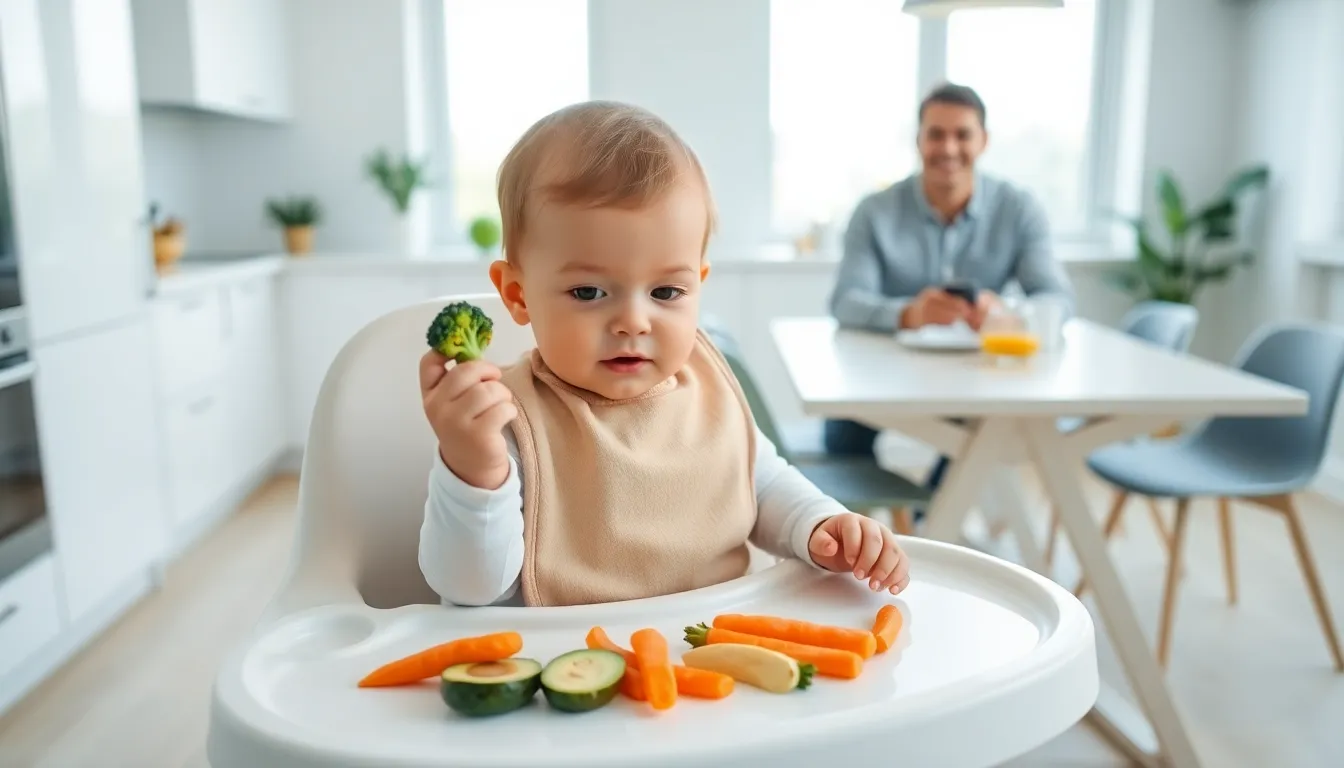
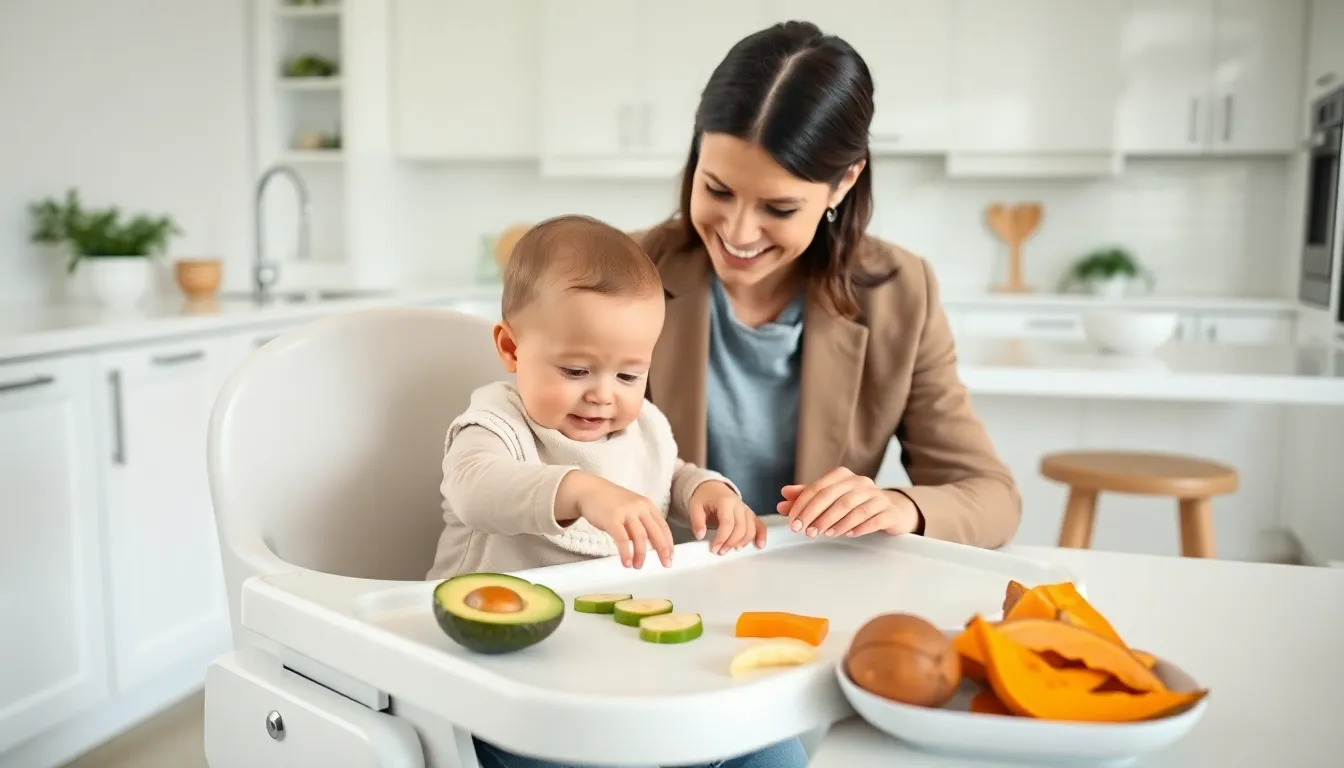
Baby-led weaning for beginners can feel overwhelming at first. Parents hear about skipping purees, letting babies feed themselves, and wonder if it’s really that simple. The short answer? Yes, with the right guidance.
This approach to starting solids has grown popular for good reason. It encourages independence, supports motor skill development, and makes mealtimes less stressful for everyone. But knowing where to begin matters. This guide covers what baby-led weaning actually means, how to tell if a baby is ready, which foods work best, and how to keep the process safe.
Table of Contents
ToggleKey Takeaways
- Baby-led weaning lets babies feed themselves soft finger foods from the start, encouraging independence and healthy eating habits.
- Most babies are ready for baby-led weaning around six months when they can sit upright, hold their head steady, and show interest in food.
- Safe first foods include avocado strips, steamed sweet potato, ripe banana, and soft-cooked vegetables that can be easily mashed between your fingers.
- Gagging is a normal protective reflex during baby-led weaning, while choking is silent—always supervise meals and learn infant CPR.
- Before age one, breast milk or formula remains the main nutrition source, so focus on letting your baby explore textures and tastes without pressure.
- Baby-led weaning for beginners may feel messy and slow at first, but most challenges fade as your baby’s coordination and confidence improve.
What Is Baby-Led Weaning?
Baby-led weaning (BLW) is a method of introducing solid foods where babies feed themselves from the start. Instead of spoon-feeding purees, parents offer soft, appropriately sized finger foods. The baby picks up the food, explores it, and decides how much to eat.
The term “weaning” here refers to the process of adding complementary foods, not stopping breastfeeding or formula. Most families continue milk feeds alongside solids for the first year.
Baby-led weaning differs from traditional weaning in a few key ways:
- Self-feeding: The baby controls what goes into their mouth
- Whole foods: Parents offer soft pieces rather than blended textures
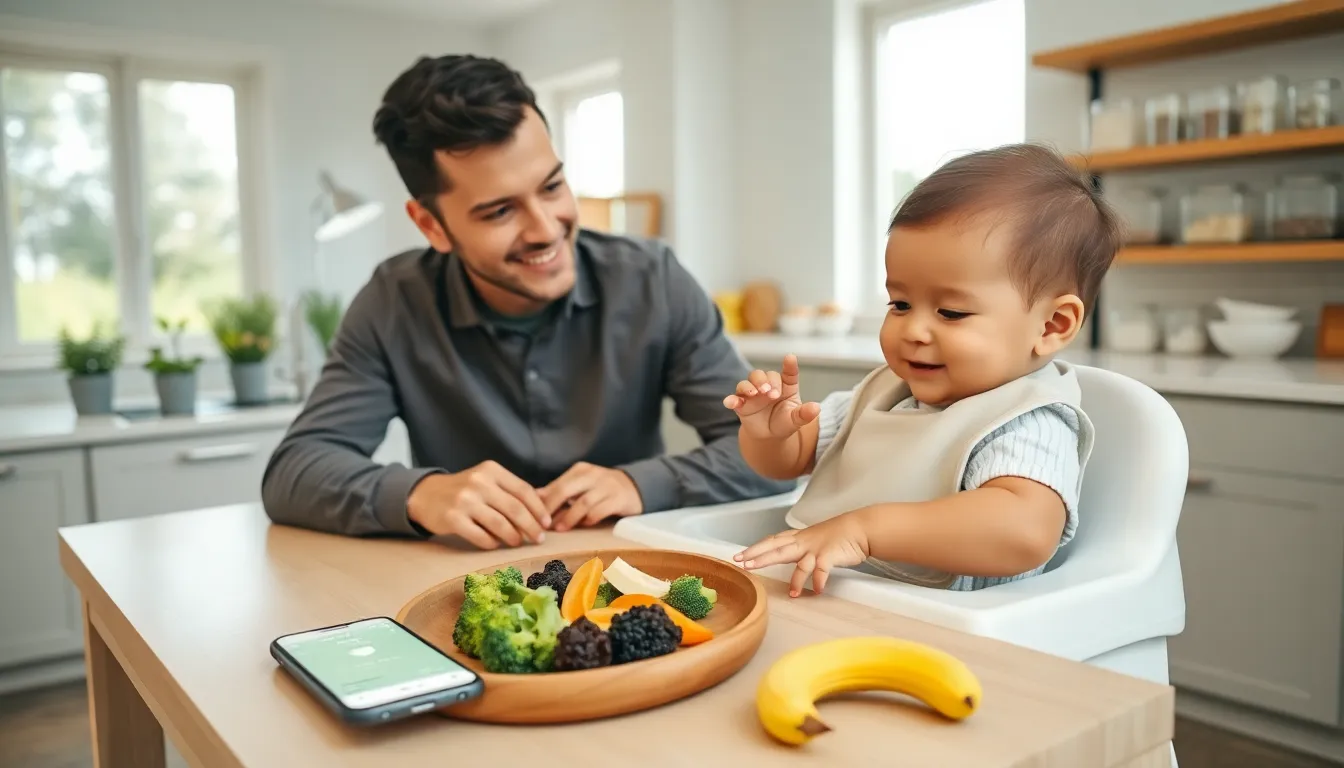
- Family meals: Babies often eat modified versions of what everyone else eats
- Pace: The baby sets the speed, reducing pressure around mealtimes
Research suggests baby-led weaning may help children develop healthier eating habits. A 2017 study in BMJ Open found that babies who self-fed showed lower rates of fussiness and were less likely to become overweight. They learned to recognize fullness cues early.
That said, baby-led weaning isn’t an all-or-nothing choice. Many parents combine BLW with occasional spoon-feeding, especially for foods like yogurt or oatmeal. This hybrid approach works well for families who want flexibility.
Signs Your Baby Is Ready to Start
Most babies show readiness for baby-led weaning around six months of age. But, age alone isn’t the best indicator. Developmental signs matter more.
A baby is typically ready when they can:
- Sit upright with minimal support: Good trunk control helps prevent choking
- Hold their head steady: This allows safe swallowing
- Bring objects to their mouth: Hand-eye coordination is essential for self-feeding
- Show interest in food: Reaching for items on the table or watching others eat closely
- Lose the tongue-thrust reflex: Babies who push food out with their tongue need more time
The American Academy of Pediatrics recommends introducing solids around six months. Before this age, babies’ digestive systems aren’t fully prepared for food other than breast milk or formula.
Some parents feel eager to start earlier, especially if their baby seems interested. But waiting until these signs appear reduces frustration for everyone. A baby who isn’t developmentally ready will struggle to pick up food, gag frequently, and show little actual eating progress.
Every baby develops at their own pace. Some hit all these milestones at five and a half months. Others take until seven months. Patience pays off.
Safe First Foods to Offer
Choosing the right first foods makes baby-led weaning easier and safer. The goal is offering items that are soft enough to gum, large enough to grip, and nutritious.
Best Starter Foods
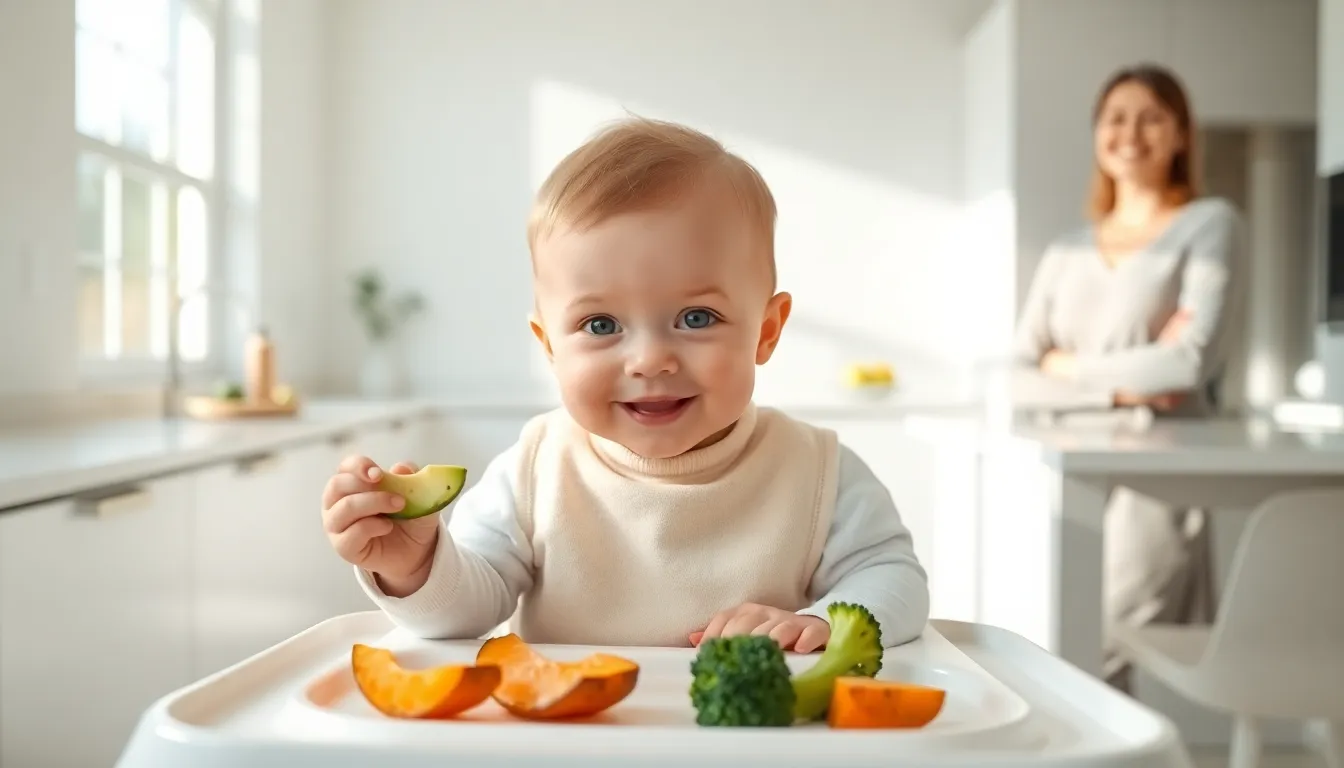
- Avocado: Slice into strips or spears: naturally soft and full of healthy fats
- Banana: Cut lengthwise: leaving part of the peel helps grip
- Steamed sweet potato: Cut into finger-length wedges
- Ripe mango: Soft strips work well
- Steamed broccoli: The “handle” shape is perfect for little hands
- Soft-cooked carrots: Steam until easily squished between fingers
- Scrambled eggs: Offer in soft clumps once allergies have been discussed with a pediatrician
- Toast strips: Lightly spread with nut butter (thin layer only)
Foods to Avoid
Certain foods pose choking hazards or health risks for babies under one year:
- Whole grapes, cherry tomatoes, or round foods (cut lengthwise instead)
- Whole nuts
- Popcorn
- Raw vegetables like carrots or apples
- Honey (botulism risk)
- Added salt and sugar
- Cow’s milk as a main drink
A simple rule for baby-led weaning: if the food can be mashed easily between an adult’s thumb and finger, it’s likely soft enough. Foods should be the size of an adult finger, big enough that babies can’t shove the whole piece into their mouths.
Essential Safety Tips for Baby-Led Weaning
Safety is the top concern for parents starting baby-led weaning. Gagging and choking are different, and understanding this distinction reduces panic.
Gagging is normal. Babies have a sensitive gag reflex positioned far forward on the tongue. When food triggers it, they cough, sputter, and push the food out. This is a protective mechanism. It looks alarming but usually resolves on its own.
Choking is silent. A choking baby cannot cough, cry, or make noise. Their face may turn red or blue. This requires immediate intervention.
Key Safety Practices
- Always supervise: Never leave a baby alone with food
- Proper positioning: Babies should sit fully upright in a highchair, not reclined
- Learn infant CPR: Every caregiver should know the basics before starting baby-led weaning
- Avoid distractions: Turn off screens and focus on the meal
- Cut foods correctly: Lengthwise strips are safer than round pieces
- Test temperatures: Let hot foods cool before serving
Baby-led weaning actually teaches safe eating habits. Babies learn to manage food in their mouths from the beginning. They control how much goes in and at what pace. Studies indicate that BLW doesn’t increase choking risk when parents follow safety guidelines.
Trust the process. That first gagging episode will happen, and it’s supposed to.
Common Challenges and How to Handle Them
Baby-led weaning isn’t always smooth. Parents face real obstacles, but most have simple solutions.
The Mess
Yes, baby-led weaning is messy. Food ends up on the floor, in hair, smeared across highchairs. Some strategies help:
- Use a large splat mat under the highchair
- Dress babies in just a diaper during meals (weather permitting)
- Invest in a full-coverage bib with sleeves
- Accept that cleanup is part of the routine
The mess decreases as coordination improves, usually by nine to twelve months.
Worried Grandparents
Older generations often feel anxious watching babies feed themselves. They grew up with purees and may question whether baby-led weaning is safe. Sharing research, explaining the gag reflex, and inviting them to observe mealtimes can help.
Slow Progress
Some babies take weeks before they actually swallow much food. This is fine. Before age one, the saying goes: “Food before one is just for fun.” Breast milk or formula remains the primary nutrition source. Babies are learning textures, tastes, and motor skills. The eating part comes.
Allergies
Introducing allergenic foods early (around six months) may actually reduce allergy risk, according to recent research. Offer one new food at a time and wait a few days before introducing another. This makes it easier to identify reactions.
Baby-led weaning works for most families who commit to the process. The challenges fade. What remains is a child who enjoys food, eats independently, and participates happily in family meals.