Family activities and games tips can transform an ordinary evening into something everyone remembers. Spending quality time together builds stronger bonds, creates lasting memories, and gives everyone a chance to laugh. The challenge? Finding activities that actually work for different ages and interests.
Whether a family has toddlers, teens, or a mix of both, the right games and activities exist. This guide covers practical ideas for indoor fun, outdoor adventures, and classic games that bring people together. These tips help families make the most of their time and keep everyone engaged.
Table of Contents
ToggleKey Takeaways
- Family activities and games work best when matched to your group’s ages, energy levels, and interests.
- Classic games like Uno, charades, and hide-and-seek require minimal setup and never lose their appeal.
- Indoor activities such as puzzle nights, cooking projects, and building challenges encourage creativity and conversation without screen time.
- Outdoor adventures like scavenger hunts, bike rides, and backyard camping create lasting memories while boosting physical health.
- Schedule a regular game night, remove device distractions, and rotate who picks the activity to keep everyone invested.
- Keep competition light and rules flexible—the goal of family activities and games is connection, not perfection.
Choosing the Right Activities for Your Family
Not every activity works for every family. Age ranges, physical abilities, and personal interests all play a role in what succeeds. A board game that thrills a 10-year-old might bore a teenager. A hiking trip that excites parents could overwhelm young children.
Start by considering who will participate. Families with young kids need activities with simple rules and short playtimes. Older children and adults can handle more complex games and longer commitments. Mixed-age groups benefit from activities where everyone has a role, even if those roles differ.
Think about energy levels too. After a long school or work day, a calm card game might beat a backyard relay race. Weekend mornings often bring more enthusiasm for active play.
Budget matters as well. Many family activities and games cost nothing, think scavenger hunts, charades, or nature walks. Others require some investment in equipment or supplies. The best approach balances free options with occasional splurges on something special.
Finally, ask family members what sounds fun. Kids feel more invested when they help choose activities. A quick family vote before game night can prevent complaints and boost participation.
Classic Games That Never Get Old
Some games have stayed popular for generations because they simply work. These classics require minimal setup and deliver consistent fun.
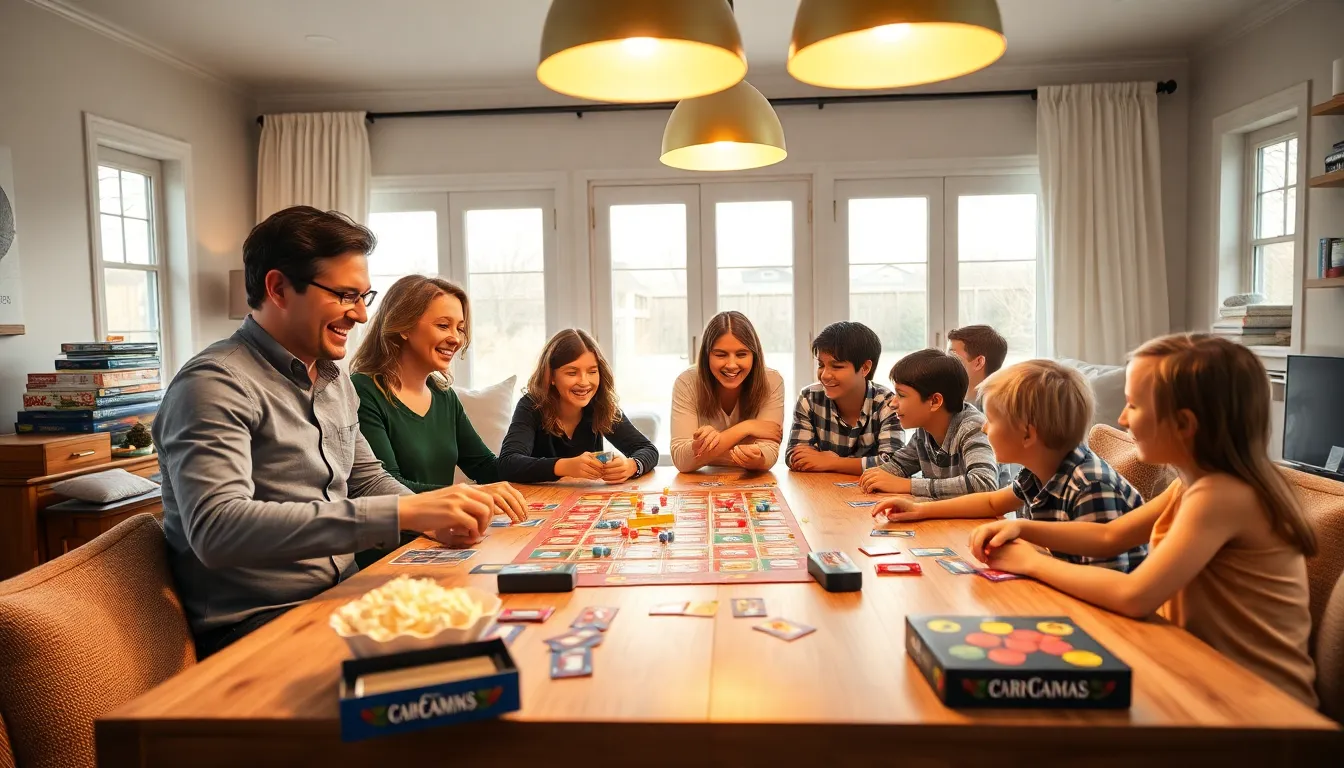
Board games like Monopoly, Scrabble, and Clue remain family favorites. They teach strategy, patience, and good sportsmanship. Newer versions of classic games often include updated rules that speed up play, a welcome change for families short on time.
Card games offer endless variety. Uno travels well and accommodates large groups. Go Fish and War work perfectly for younger players. Poker (with chips, not cash) can entertain teens and adults for hours.
Charades costs nothing and scales to any group size. Acting out movies, animals, or silly phrases gets everyone moving and laughing. Pictionary offers a similar experience for those who prefer drawing to performing.
Hide and seek remains a childhood essential. It works indoors or outdoors, requires zero equipment, and kids never seem to tire of it. Sardines, the reverse version where one person hides and everyone searches, adds a fun twist.
These family activities and games have proven their value over decades. They’re easy to learn, hard to outgrow, and always ready when boredom strikes.
Creative Indoor Activities for All Ages
Rainy days and cold weather call for indoor creativity. The best indoor family activities keep hands busy and minds engaged.
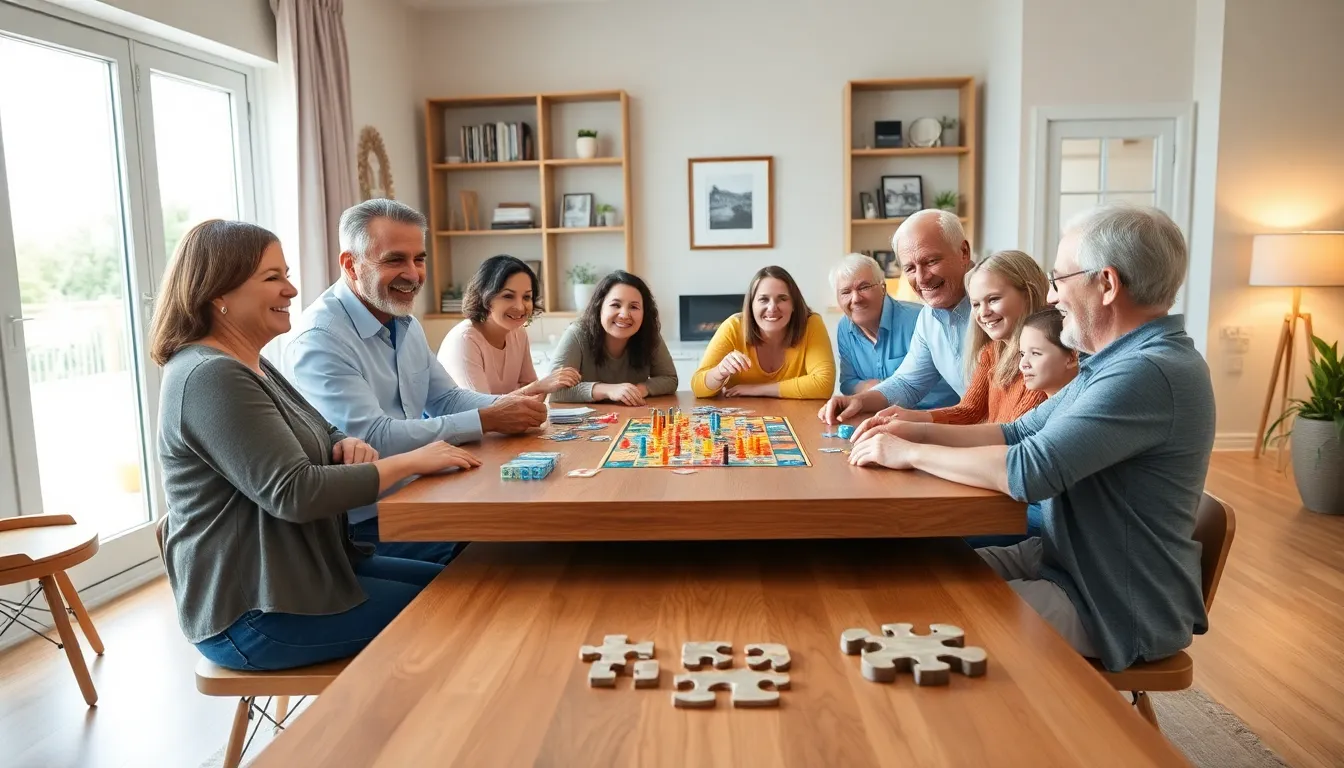
Puzzle nights challenge families to work together. A 500-piece puzzle provides hours of shared focus. Talking flows naturally while searching for that one corner piece. Frame the finished product for a lasting reminder of the effort.
Cooking or baking projects create something everyone enjoys, literally. Kids can measure ingredients, stir batter, or decorate cookies. The process teaches practical skills while the results taste great. Pizza-making nights let each person customize their own creation.
Arts and crafts suit all skill levels. Younger children can finger paint or make collages. Older kids might try origami, friendship bracelets, or simple woodworking. Parents can join in or supervise, depending on the project.
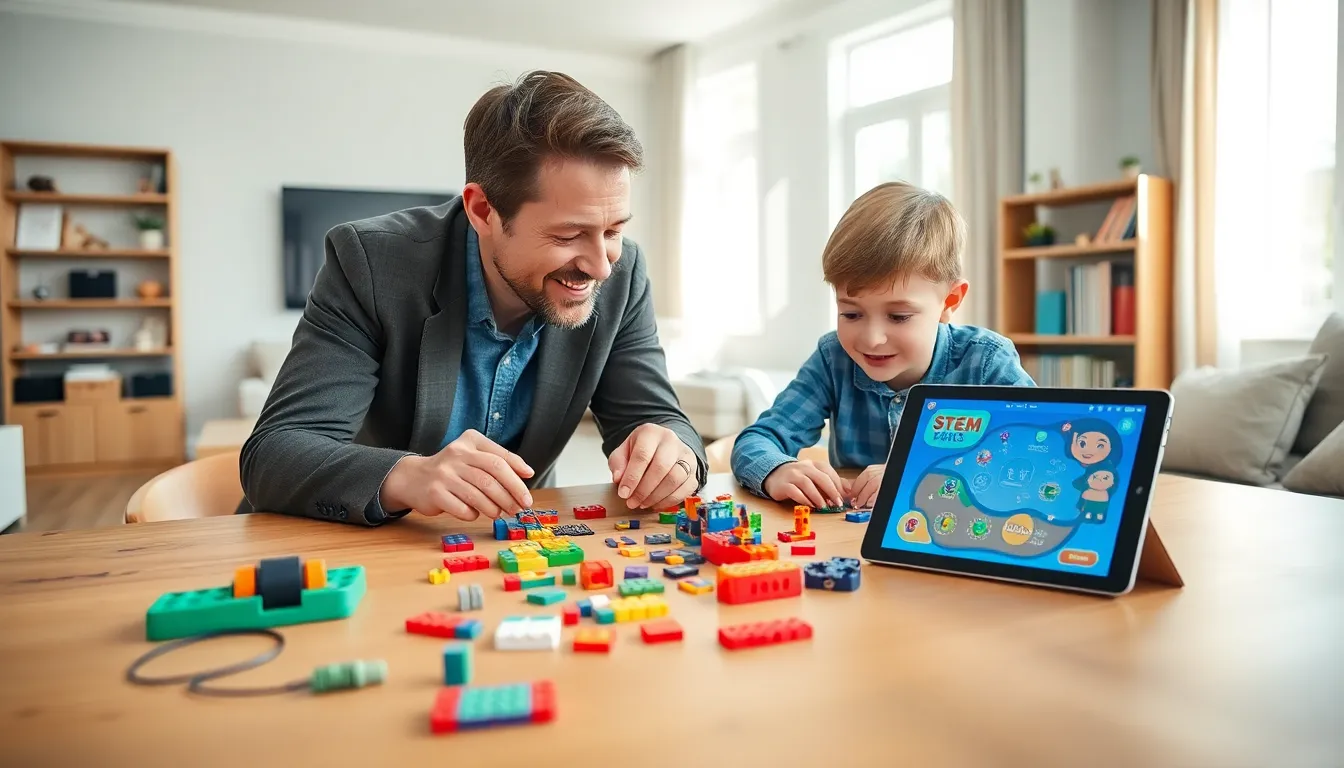
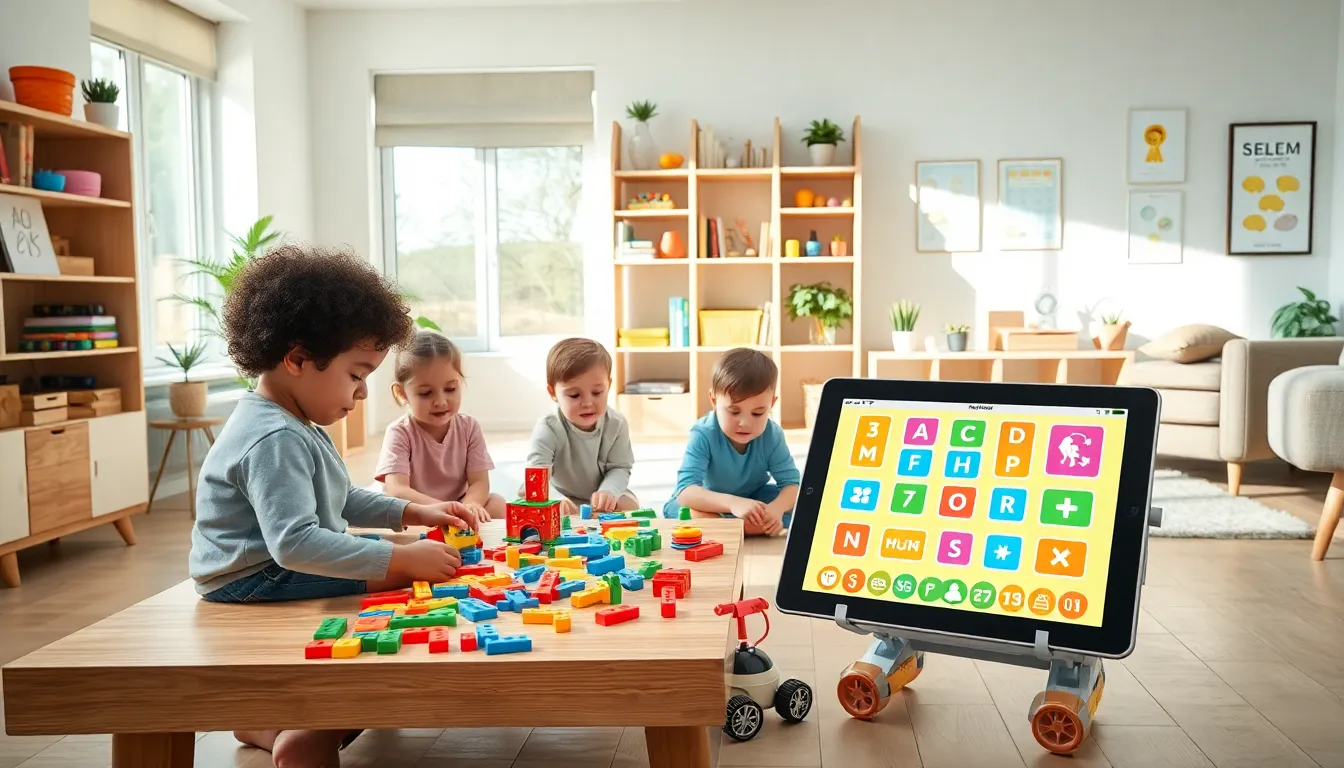
Building challenges using LEGO, blocks, or household items spark creativity. Set a theme, tallest tower, strongest bridge, weirdest creature, and let everyone compete. Time limits add excitement.
Movie marathons work best with a theme. Pick a series, a genre, or films from a particular decade. Add homemade popcorn and blankets for the full experience.
These indoor family activities and games keep everyone entertained without screens dominating the evening. They encourage conversation, cooperation, and creativity.
Outdoor Games and Adventures to Try
Fresh air and open space change the energy completely. Outdoor family activities and games get bodies moving and spirits lifted.
Backyard sports need little preparation. Badminton sets up quickly and accommodates beginners. Frisbee works for any age group. Croquet offers a slower pace with surprising strategy. Even simple catch with a ball or football creates connection.
Scavenger hunts turn any outdoor space into an adventure. Create lists of items to find, specific leaves, rocks, insects, or man-made objects. Nature scavenger hunts teach observation skills while keeping kids active.
Bike rides explore neighborhoods or nearby trails. Families can set destinations like a favorite ice cream shop or a scenic overlook. Riding together builds confidence in younger cyclists.
Camping, even backyard camping, creates adventure without travel. Setting up a tent, cooking over a fire, and stargazing offer experiences screens can’t replicate. S’mores remain mandatory.
Water games dominate summer months. Sprinklers, water balloons, and slip-and-slides cool everyone down. Water gun battles provide action for older kids and adults.
Geocaching uses GPS to find hidden containers worldwide. It combines hiking with treasure hunting, and caches exist in parks, forests, and urban areas everywhere.
Outdoor family activities and games create physical health benefits alongside the social ones. They break routines and build memories.
Tips for Making Family Game Time a Success
Good intentions don’t guarantee good results. A few practical strategies help family game time actually happen, and stay fun.
Schedule it. Busy families need designated times for activities. A weekly game night on the calendar gets treated like any other commitment. Consistency builds anticipation and habit.
Remove distractions. Phones face-down, TVs off, and notifications silenced. Half-attention ruins the experience for everyone. Make game time a true break from devices.
Rotate who chooses. Let each family member pick the activity on different occasions. This prevents one person’s preferences from dominating and gives everyone ownership.
Keep it light. Competition adds excitement, but too much intensity creates conflict. Parents set the tone here. Model gracious winning and losing. Remind kids that the point is togetherness, not victory.
Adjust rules when needed. Younger players might need handicaps or simplified rules. Strict adherence to official game rules matters less than everyone having fun. Flexibility keeps all ages engaged.
Have snacks ready. Food makes everything better. Keep game time treats simple, popcorn, fruit, cookies, so preparation doesn’t compete with play.
Accept imperfection. Someone will get grumpy. Someone will want to quit early. Someone will accidentally flip the board. These moments happen. Don’t let them end the tradition.
Family activities and games work best when expectations stay realistic and the focus stays on connection.