
Family activities and games for beginners offer a simple way to strengthen bonds without leaving home. Busy schedules often push quality time to the back burner. A weekly game night or craft session can change that. Research from the American Academy of Pediatrics shows that children who engage in regular play with their parents develop better social skills and emotional resilience. The good news? Getting started doesn’t require expensive equipment or elaborate planning. This guide covers easy-to-learn games, active pursuits, and creative projects that work for families of all sizes and ages.
Table of Contents
ToggleKey Takeaways
- Family activities and games for beginners strengthen bonds and improve children’s social skills and emotional resilience without requiring expensive equipment.
- Regular family game time reduces teen anxiety and depression by up to 40%, according to recent research.
- Start with easy-to-learn games like Uno, Candy Land, or Jenga that accommodate all ages and short attention spans.
- Active options like dance parties, scavenger hunts, and outdoor games burn energy while creating natural conversation opportunities.
- Creative projects such as collaborative art, cooking together, and DIY board games let every family member contribute at their own level.
- Build lasting habits by scheduling consistent family time, rotating who chooses activities, and limiting distractions like phones and TV.
Why Family Game Time Matters
Family activities and games do more than fill an evening. They create shared memories and open lines of communication between parents and children.
Studies consistently show that kids who spend quality time with their families perform better in school. A 2023 survey by the Family Dinner Project found that teens who regularly engaged in family activities were 40% less likely to report feelings of anxiety or depression.
Games teach important life skills too. Turn-taking builds patience. Strategy games develop critical thinking. Team activities foster cooperation. These lessons happen naturally, without lectures or assignments.
For adults, family game time provides a break from screens and work stress. It’s a chance to laugh, be silly, and reconnect with the people who matter most.
The benefits extend to family dynamics as well. Siblings who play together learn to resolve conflicts. Parents gain insight into their children’s personalities and problem-solving styles. Grandparents can share games from their own childhood, bridging generational gaps.
Perhaps most importantly, regular family activities establish a sense of routine and security. Children thrive when they know what to expect. A consistent game night gives them something to look forward to each week.
Easy Board Games for All Ages
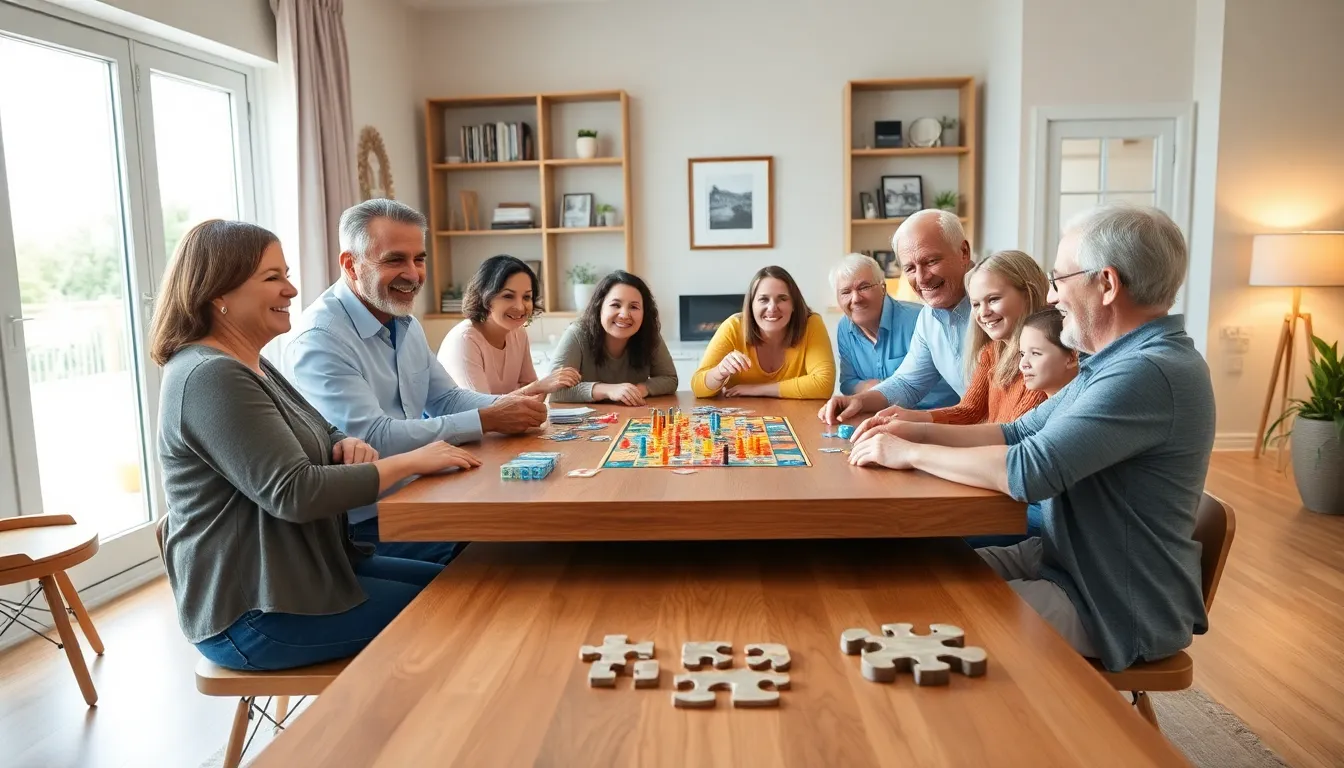
The right board game can entertain a five-year-old and a fifty-year-old at the same table. Here are some family activities and games perfect for beginners:
Uno remains a classic for good reason. Players match colors or numbers while throwing in action cards to shake things up. Most families learn the rules in five minutes.
Candy Land works well for families with young children. No reading required, players simply follow colored squares to the finish. It introduces turn-taking and graceful winning (and losing).
Ticket to Ride offers more strategy for families with older kids. Players collect train cards and claim railway routes across a map. The rules are straightforward, but the gameplay stays interesting.
Jenga tests steady hands and builds tension as the tower grows taller. It’s quick to learn and produces plenty of laughs when everything comes crashing down.
Codenames: Family Edition challenges teams to give one-word clues that connect multiple pictures. It sparks creative thinking and works for groups of four or more.
When choosing family activities and games, consider the youngest player’s attention span. Start with shorter games and work up to longer ones. Keep a variety on hand, some competitive, some cooperative, to match different moods and energy levels.
Active Indoor and Outdoor Activities
Not every family activity needs to happen around a table. Getting bodies moving creates energy and excitement that board games can’t match.
Indoor Options
Dance parties require nothing but a speaker and a playlist. Take turns picking songs. Add freeze dance rules for extra fun.
Balloon volleyball transforms any living room into a court. Stretch a string between two chairs for a net. The slow-moving balloon gives younger kids a fair chance.
Scavenger hunts work year-round. Write clues that lead from room to room, ending with a small prize or treat.
Yoga for kids videos on YouTube offer guided sessions designed for families. It’s a calm option for rainy afternoons.
Outdoor Options
Capture the flag gets everyone running. Divide into teams, hide flags in each territory, and try to grab the other team’s flag without getting tagged.
Nature walks with a twist add purpose to a simple stroll. Create a checklist of items to find: a red leaf, a smooth rock, something that makes noise.
Sidewalk chalk games let kids design their own courses. Hopscotch, mazes, and obstacle paths keep them busy for hours.
These family activities and games burn energy while building coordination. They also create natural opportunities for conversation during breaks and cool-down periods.
Creative Projects to Try Together
Creative family activities and games tap into imagination rather than competition. They produce something tangible, a painting, a structure, a story, that families can keep or display.
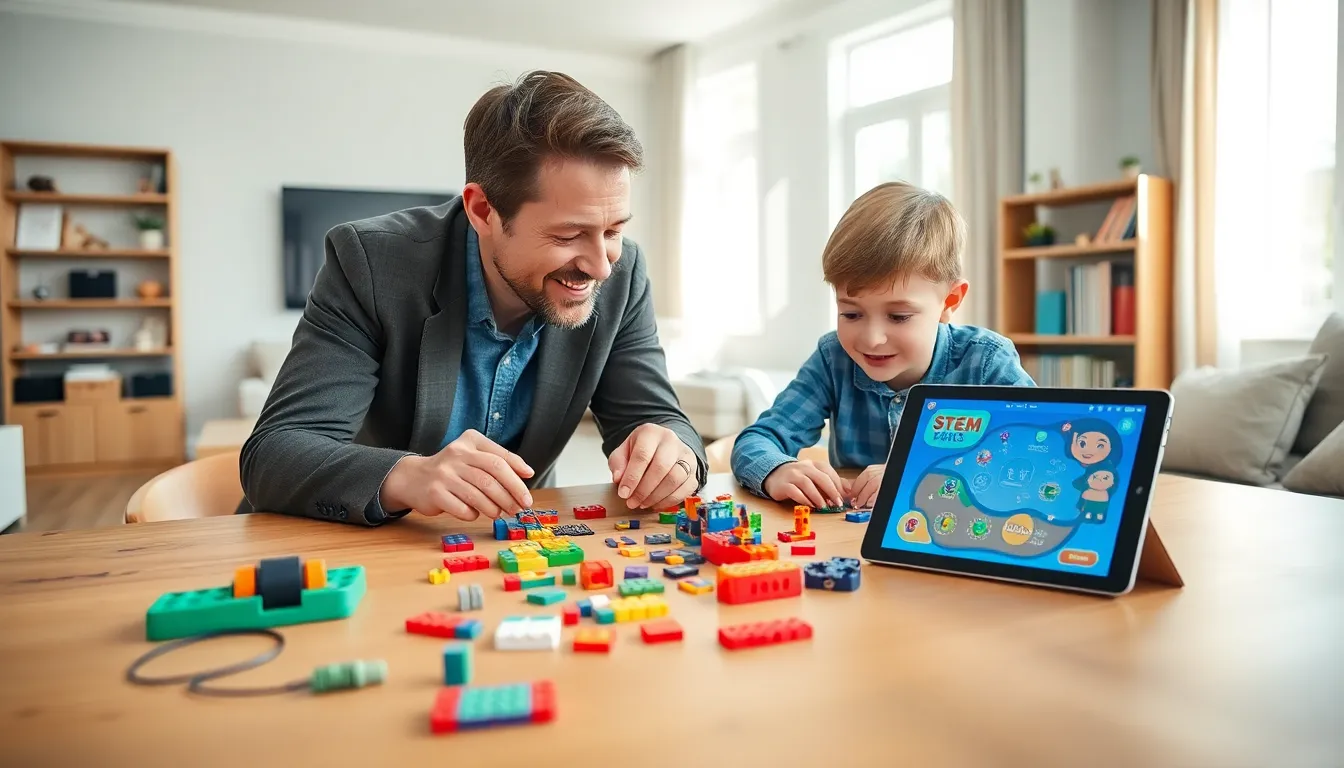
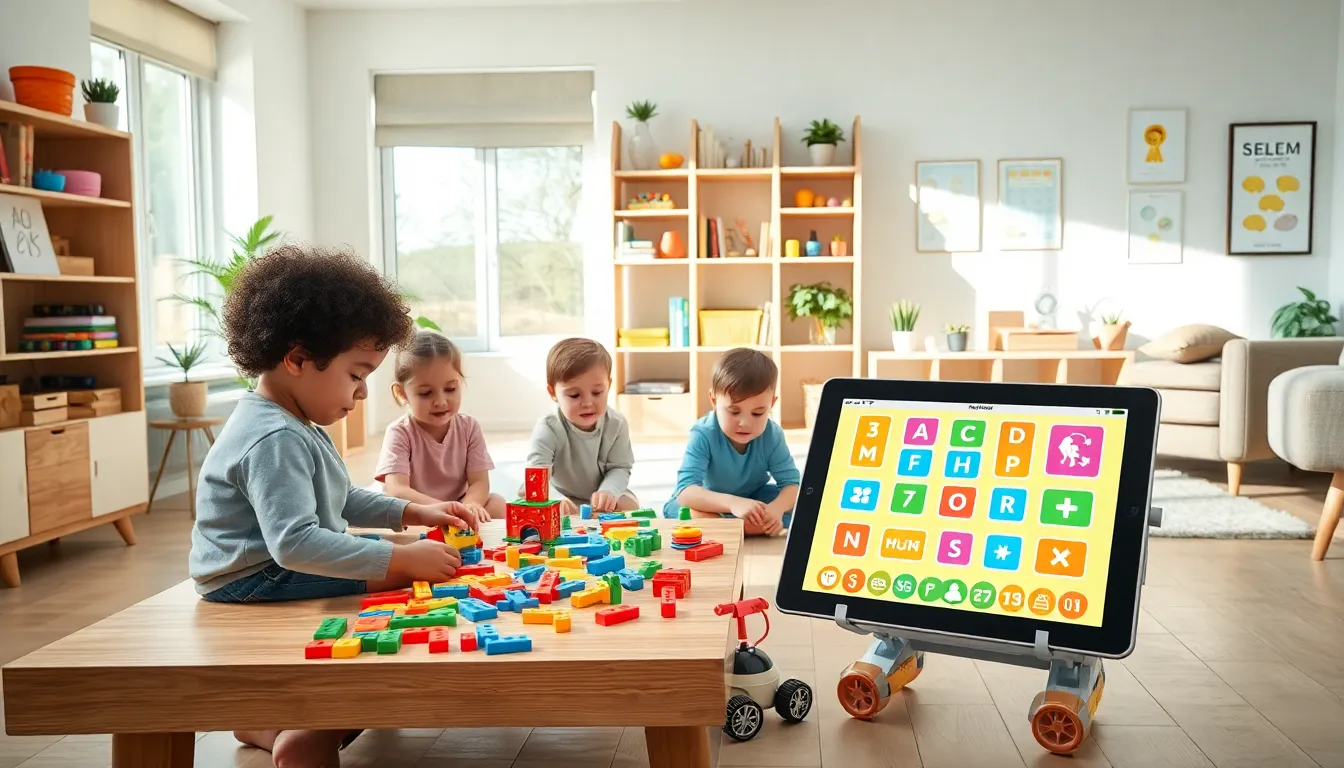
Building challenges use household items like toothpicks, marshmallows, cardboard boxes, or LEGO bricks. Set a timer and see who can build the tallest tower or strongest bridge.
Collaborative art brings everyone’s style onto one canvas. Each person adds to the artwork in turn. The final piece becomes a true family creation.
Cooking together counts as a creative activity. Let kids choose recipes, measure ingredients, and decorate finished dishes. Even simple projects like decorating cookies or assembling pizzas feel special when done as a group.
Story starters spark imagination. One person writes an opening sentence, then passes the paper. Each family member adds a few lines. Read the finished story aloud for guaranteed laughs.
DIY board games take creativity further. Design a simple path game with index cards and markers. Invent rules together. Playing a game the family created adds extra pride to the experience.
Creative projects work especially well for families with mixed ages. Younger kids contribute at their level while older children and adults handle more complex tasks. Everyone participates, and no one sits on the sidelines.
Tips for Making Family Time a Regular Habit
Starting family activities and games is easy. Keeping them going takes intention. These strategies help families build lasting habits.
Pick a consistent time. Friday nights, Sunday afternoons, or any slot that works for the household. Put it on the calendar like any other appointment.
Rotate who chooses. Give each family member a turn to select the activity. Kids feel valued when their preferences matter.
Keep expectations realistic. A 20-minute card game counts. Not every session needs to be a three-hour event.
Store supplies in one place. A dedicated shelf or bin for games and craft supplies makes starting up quick and easy.
Limit distractions. Phones go in another room. TV stays off. The point is connection, and that requires presence.
Celebrate small wins. Did everyone participate without arguing? That’s worth acknowledging. Positive reinforcement encourages more of the same.
Adapt as kids grow. The games that worked at age six won’t hold interest at twelve. Update the rotation regularly.
Invite guests occasionally. Cousins, neighbors, or friends add variety. Kids often behave differently (sometimes better) with an audience.
Family activities and games shouldn’t feel like a chore. If something isn’t working, try something else. The goal is connection, not perfection.