Baby-led weaning trends 2026 are reshaping how families introduce solid foods to infants. More parents are skipping purees and letting babies feed themselves from the start. This approach builds independence, encourages healthy eating habits, and respects a child’s natural hunger cues.
The coming year brings exciting shifts in how caregivers approach baby-led weaning. From allergen introduction programs to tech-driven meal tracking, the landscape is changing fast. Parents want methods backed by research, and they want options that fit modern lifestyles. This guide breaks down the top baby-led weaning trends 2026 will bring to family tables everywhere.
Table of Contents
ToggleKey Takeaways
- Baby-led weaning trends 2026 emphasize early texture variety, helping babies become more adventurous eaters and reducing picky eating later.
- Structured allergen introduction programs are gaining popularity, with early exposure between 4–6 months potentially reducing allergy risk by up to 80%.
- Sustainability is shaping feeding practices, with parents choosing reusable silicone bibs, bamboo plates, and organic, locally sourced produce.
- Tech tools and apps now help parents track foods introduced, monitor allergic reactions, and discover age-appropriate baby-led weaning recipes.
- Cultural and global flavors are replacing bland first foods, as parents introduce mild spices and international cuisines to shape adventurous palates early.
- Homemade food preparation is on the rise, giving parents greater control over texture, freshness, and ingredient quality.
The Shift Toward Texture Variety From the Start
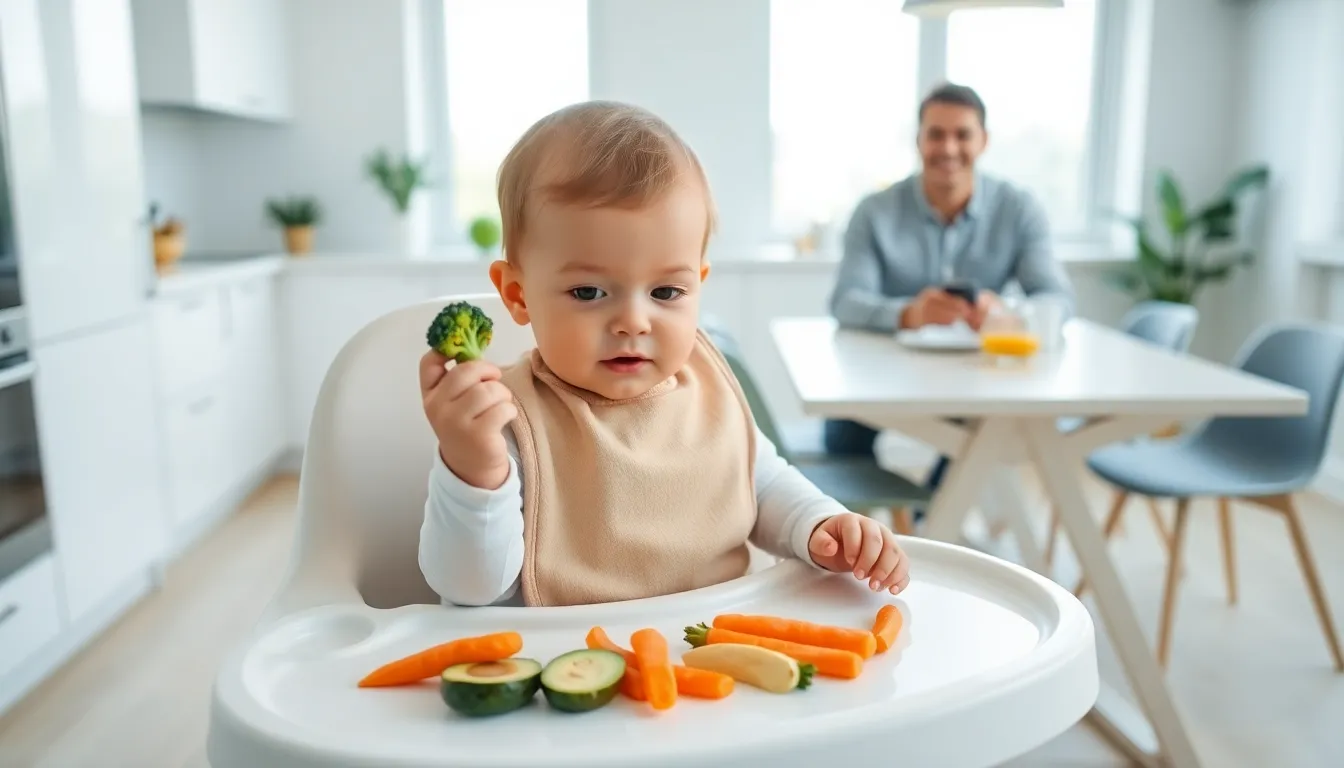
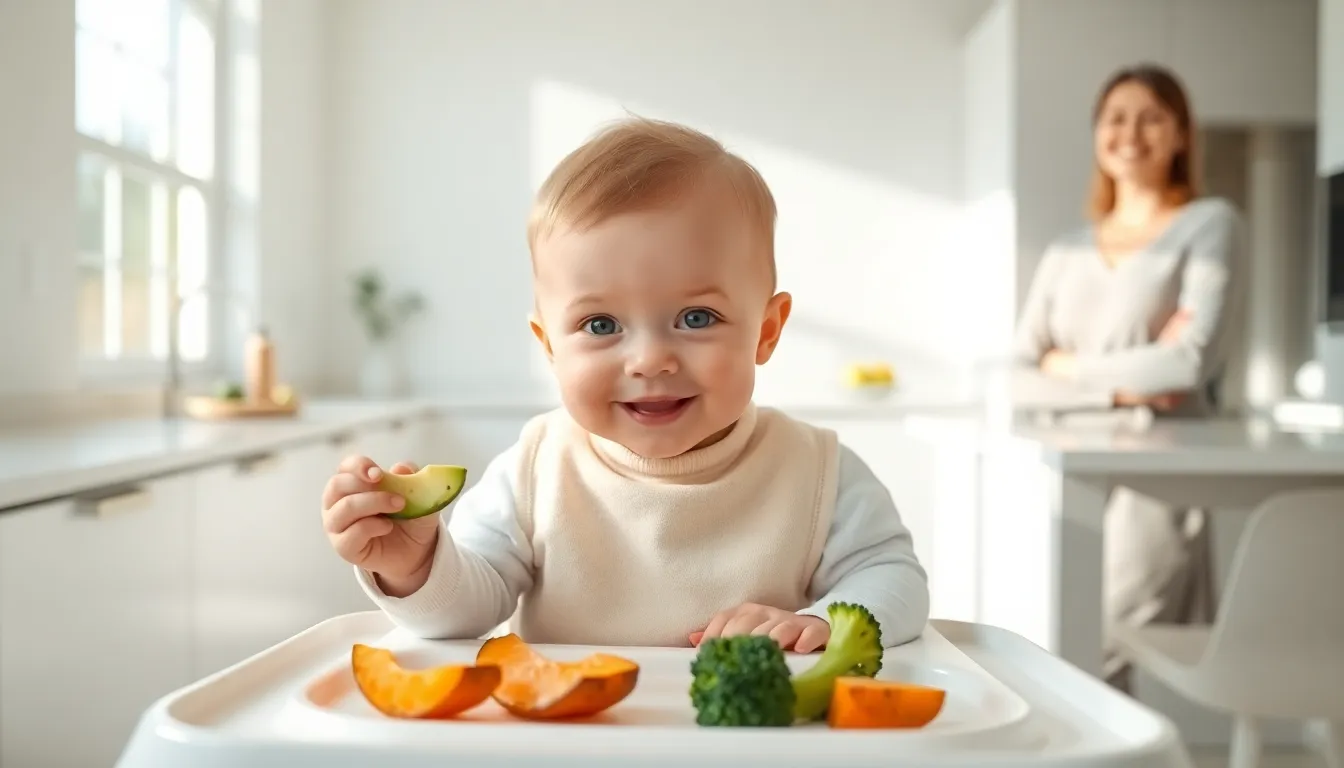
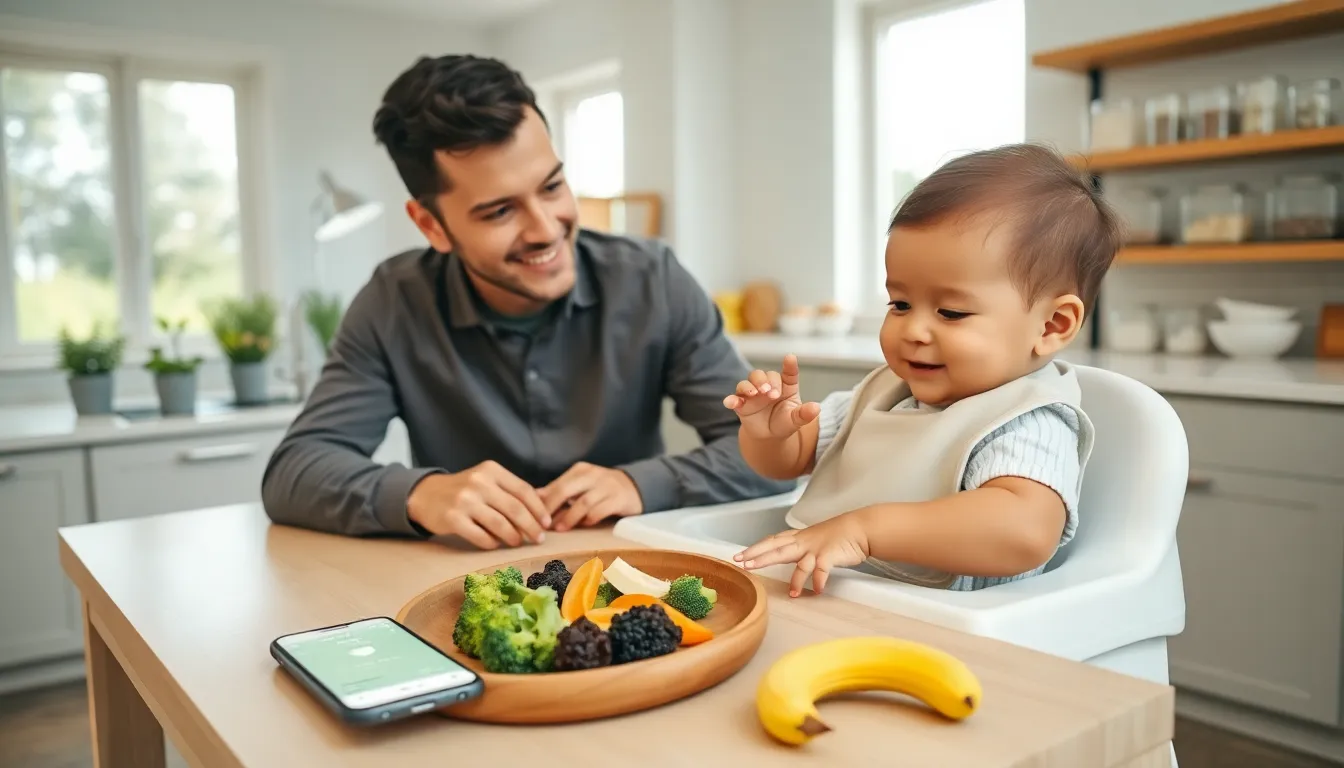
One of the biggest baby-led weaning trends 2026 will highlight is early texture exposure. Pediatric feeding experts now encourage parents to offer a range of textures from day one. Soft strips of avocado, steamed broccoli florets, and ripe banana spears are all on the menu.
Why the shift? Research shows that babies who experience varied textures early are less likely to become picky eaters later. A 2024 study published in Pediatrics found that infants exposed to lumpy foods before nine months had broader food acceptance at age three.
Parents are moving away from the old progression model, smooth purees first, then mashed foods, then solids. Instead, they’re offering age-appropriate textures right away. The key is matching food consistency to a baby’s developmental stage while still providing variety.
This trend also means more families are preparing foods at home rather than relying on store-bought pouches. Homemade options give parents control over texture and freshness. It’s a small change that makes a real difference in how babies learn to chew and swallow.
Rising Popularity of Allergen Introduction Programs
Allergen introduction is a major focus in baby-led weaning trends 2026. New guidelines from the American Academy of Pediatrics recommend introducing common allergens, like peanuts, eggs, and tree nuts, between four and six months. This early exposure can reduce allergy risk by up to 80% in high-risk infants.
Structured allergen programs are gaining traction. These programs guide parents through safe introduction schedules. They provide pre-measured portions of allergens in easy-to-use formats. Some popular options include powders that mix into breast milk or formula, and dissolvable puffs designed for tiny hands.
Parents appreciate the clarity these programs offer. Instead of guessing how much peanut butter to give a six-month-old, they follow step-by-step instructions. Many programs also include symptom trackers to monitor any reactions.
The rise of allergen introduction aligns perfectly with baby-led weaning philosophy. Babies can self-feed allergen-containing foods in finger-food form. Think thin strips of well-cooked egg or soft nut butter spread on toast fingers. It’s proactive, parent-guided, and baby-controlled all at once.
Sustainable and Eco-Friendly Feeding Practices
Sustainability matters to today’s parents, and baby-led weaning trends 2026 reflect that priority. Families are choosing reusable silicone bibs over disposable ones. They’re buying bamboo plates and stainless steel utensils instead of plastic.
Food waste reduction is another focus area. Baby-led weaning naturally produces some mess and waste, babies drop food, squish it, and sometimes reject it entirely. Parents are finding creative solutions. Silicone mats catch dropped food for re-offering. Meal-prep strategies ensure small portions prevent excess waste.
Organic and locally sourced produce is showing up more often on highchair trays. Parents want to know where their baby’s food comes from. Farmers’ markets and CSA boxes have become go-to sources for first foods.
Packaging choices matter too. Glass storage containers are replacing plastic bags. Brands that use minimal or compostable packaging are winning parent loyalty. The baby-led weaning community is pushing manufacturers toward greener options, and companies are listening.
Technology and Apps Supporting Baby-Led Weaning
Tech tools are transforming baby-led weaning trends 2026. A growing number of apps help parents track what foods they’ve introduced, monitor for allergic reactions, and generate meal ideas based on baby’s age.
Popular features include photo food logs, where parents snap pictures of each meal. These visual records help identify patterns, like which foods baby consistently refuses or which cause digestive changes. Some apps even use AI to analyze photos and estimate portion sizes.
Recipe generators are another hit feature. Parents input their baby’s age and any known allergens, and the app suggests safe, age-appropriate recipes. Many include video tutorials showing proper food cuts and serving sizes for baby-led weaning.
Online communities built into these platforms connect parents with others on the same journey. They share tips, troubleshoot challenges, and celebrate milestones together. It’s support at your fingertips, especially valuable for first-time parents feeling uncertain about baby-led weaning.
Wearable tech is emerging too. Some companies are developing smart bibs that track feeding duration and food contact. While still niche, these products hint at where baby-led weaning technology might head next.
Cultural and Global Flavor Influences
Baby-led weaning trends 2026 embrace flavors from around the world. Parents are moving beyond bland first foods and introducing spices, herbs, and international cuisines early.
This shift reflects changing family demographics and a desire to raise adventurous eaters. Indian families might offer soft dal and mild curry. Mexican households serve avocado with a hint of lime and cilantro. Japanese parents introduce soft tofu and steamed fish.
Research supports this approach. Babies’ taste preferences form early, and exposure to diverse flavors during the weaning period shapes lifelong eating habits. A 2023 study in Appetite found that infants who ate varied cuisines showed greater food acceptance at age two.
Social media plays a role here. Instagram and TikTok overflow with videos of babies enjoying bold flavors. Parents see other families feeding their infants turmeric-spiced vegetables or garlic-seasoned meats. It normalizes what once seemed unusual.
The message is clear: baby food doesn’t have to be boring. Mild spices like cinnamon, cumin, and ginger are safe for most babies. They add interest without adding salt or sugar. Parents are embracing their own cultural food traditions and sharing them with their babies from the very first bite.