Top baby-led weaning has become a popular approach to introducing solid foods. This method lets babies feed themselves from the start, skipping purees entirely. Parents across the world now choose baby-led weaning for its simplicity and developmental benefits.
Starting solids marks a major milestone. Baby-led weaning puts infants in control of what they eat, how much they consume, and at what pace. The approach builds independence early and can shape healthy eating habits for years to come. This guide covers everything parents need to know, from first foods to safety essentials, for a successful baby-led weaning journey.
Table of Contents
ToggleKey Takeaways
- Baby-led weaning lets infants self-feed soft, graspable foods starting at six months, skipping purees entirely.
- Look for readiness signs before starting: sitting upright, lost tongue-thrust reflex, interest in food, and ability to grasp objects.
- Top baby-led weaning first foods include avocado strips, steamed sweet potato wedges, ripe banana spears, and soft-cooked broccoli florets.
- Gagging is a normal protective reflex during baby-led weaning—stay calm and learn infant CPR for true choking emergencies.
- Early baby-led weaning focuses on exploration, not nutrition; breast milk or formula remains the primary food source until age one.
- Babies may need 10-15 exposures to a new food before accepting it, so patience and persistence are essential.
What Is Baby-Led Weaning
Baby-led weaning (BLW) is a feeding method where babies self-feed solid foods from around six months of age. Instead of spoon-feeding purees, parents offer soft, graspable pieces of food. The baby decides what to pick up, taste, and eat.
The term “weaning” here refers to the introduction of foods beyond breast milk or formula, not the end of breastfeeding. Baby-led weaning simply means the infant leads the process.
Most experts recommend starting baby-led weaning at six months. At this age, babies typically show key signs of readiness:
- They can sit upright with minimal support
- They’ve lost the tongue-thrust reflex
- They show interest in food
- They can grasp objects and bring them to their mouth
Baby-led weaning differs from traditional weaning in one major way: texture. Traditional methods start with smooth purees and gradually introduce lumps. Baby-led weaning skips this progression. Babies experience real food textures from day one.
This approach trusts babies to regulate their own appetite. They learn to stop eating when full, a skill that may protect against overeating later in life.
Benefits of Baby-Led Weaning
Baby-led weaning offers several advantages for both babies and parents. Research and parent reports highlight these key benefits.
Motor Skill Development
Self-feeding requires coordination. Babies practice their pincer grasp, hand-eye coordination, and chewing skills during every meal. These motor skills develop faster when babies handle food themselves.
Exposure to Varied Textures and Flavors
Babies who follow baby-led weaning taste foods in their natural form. They experience different textures, shapes, and flavors early. Studies suggest this exposure may reduce picky eating later.
Family Mealtime Participation
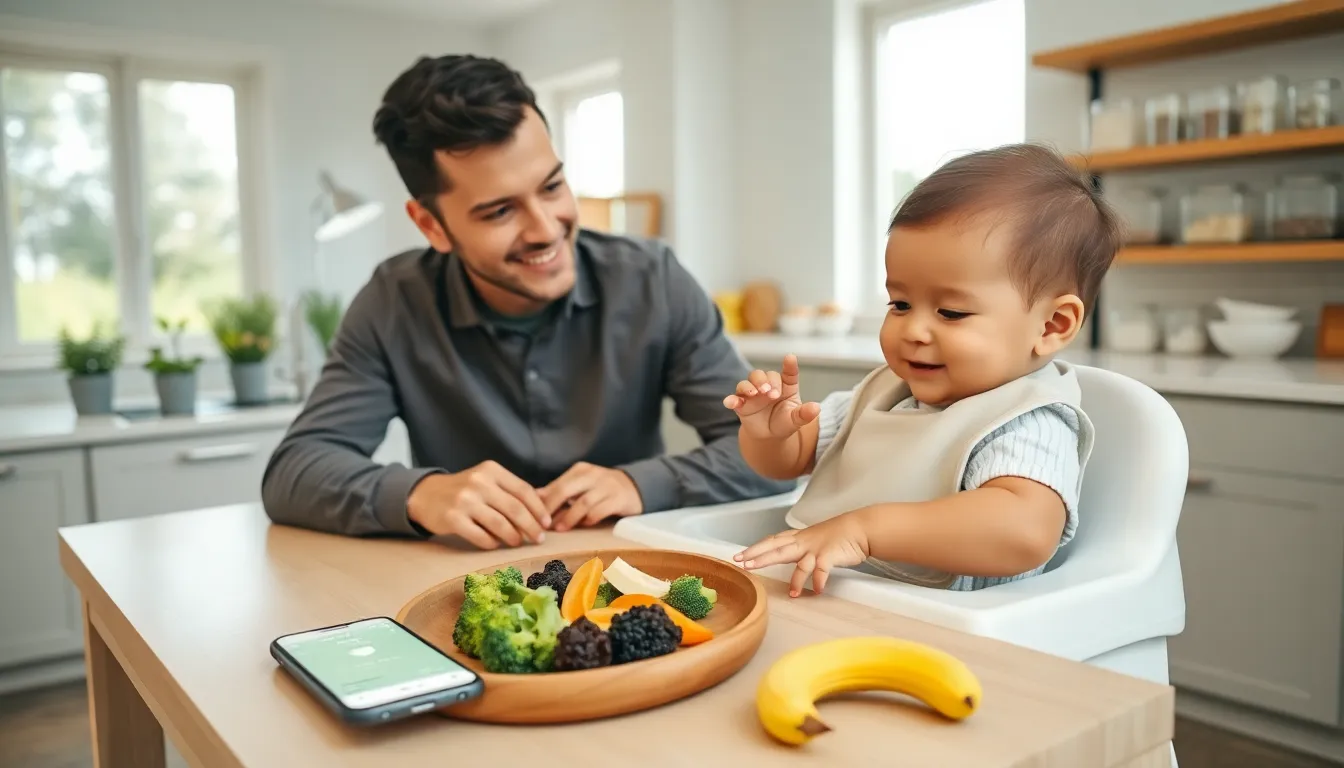
Baby-led weaning lets infants join family meals. Everyone eats together, and babies often eat modified versions of what adults enjoy. This creates a social eating experience from the start.
Less Mealtime Stress
Parents report less pressure around feeding with baby-led weaning. There’s no coaxing, airplane spoons, or counting spoonfuls. The baby controls the pace, which often makes mealtimes calmer.
Appetite Self-Regulation
Baby-led weaning supports healthy appetite control. Babies eat according to hunger cues rather than finishing a predetermined portion. Some research links this self-regulation to healthier weight outcomes.
Of course, baby-led weaning isn’t perfect for every family. Some parents prefer the structure of traditional feeding, and that’s okay too.
Best First Foods for Baby-Led Weaning
Choosing the right first foods makes baby-led weaning safer and more enjoyable. The best starter foods share common traits: they’re soft, easy to grip, and nutritious.
Ideal Starter Foods
Here are excellent first foods for baby-led weaning:
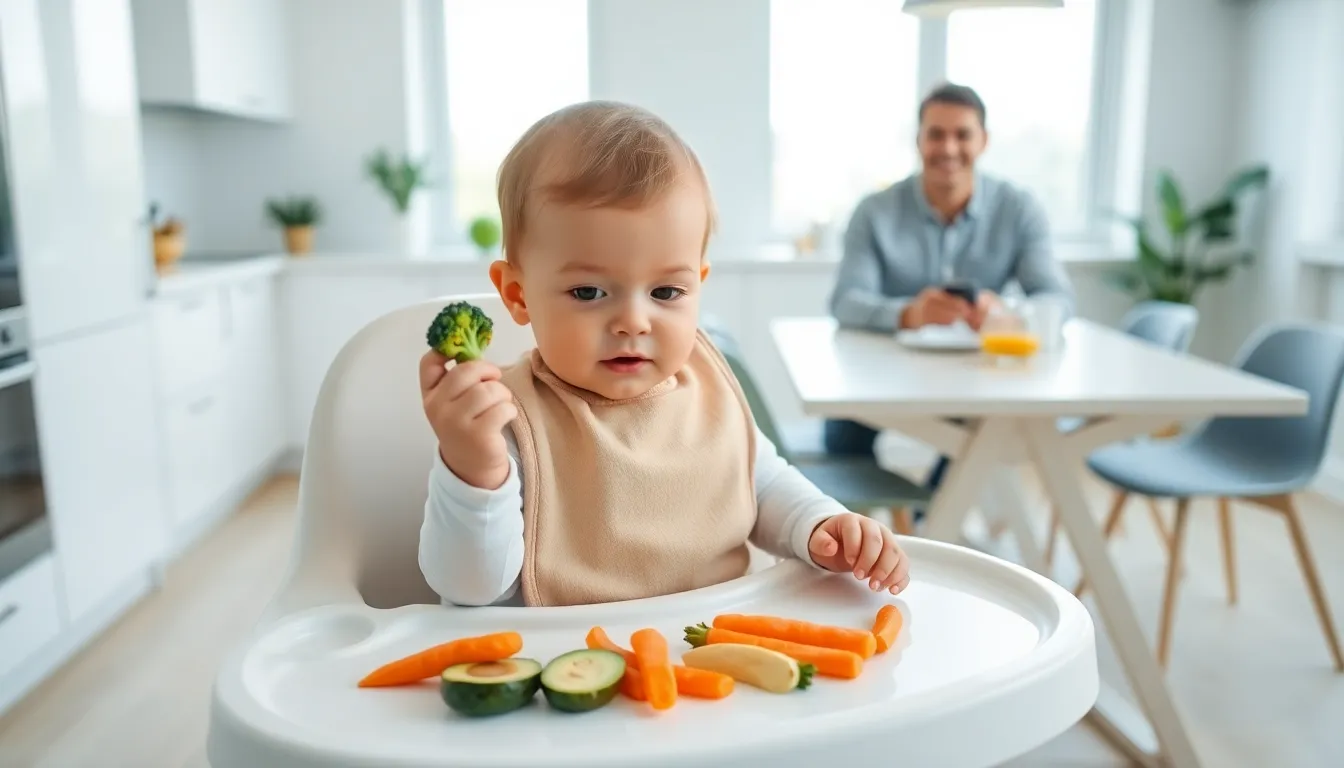
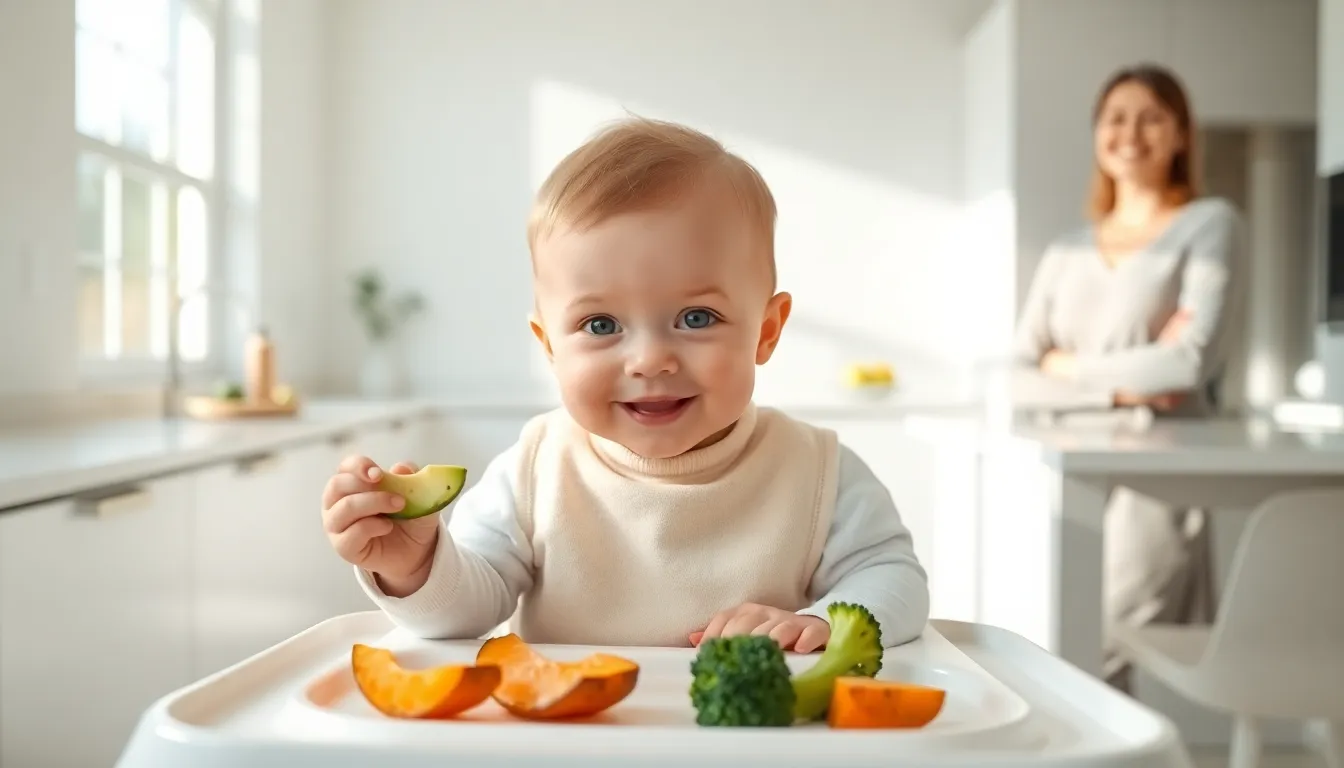
- Avocado strips – Soft, creamy, and packed with healthy fats
- Steamed sweet potato wedges – Easy to hold and naturally sweet
- Ripe banana spears – Leave some peel on for better grip
- Soft-cooked broccoli florets – The stem works as a natural handle
- Steamed carrot sticks – Cook until soft enough to mash with gentle pressure
- Strips of well-cooked chicken – Good iron source
- Scrambled eggs – Soft and protein-rich
- Toast fingers with thin spread – Great for practicing biting
Food Shape and Size
For babies just starting baby-led weaning, cut foods into finger-length strips. These are easier to grip than small pieces. As babies develop their pincer grasp around 8-9 months, smaller pieces become manageable.
The “squish test” helps determine if food is soft enough: press it between your thumb and finger. If it mashes easily, it’s safe for a baby without teeth to gum.
Foods to Avoid Early On
Some foods pose choking risks or aren’t suitable for babies:
- Whole grapes, cherry tomatoes, or berries (cut these lengthwise)
- Raw hard vegetables like carrots
- Whole nuts
- Honey (until age one due to botulism risk)
- Added salt and sugar
- Popcorn
Safety Tips Every Parent Should Know
Safety concerns rank high for parents considering baby-led weaning. Understanding the difference between gagging and choking helps reduce anxiety.
Gagging vs. Choking
Gagging is normal during baby-led weaning. It’s a protective reflex that prevents choking. A gagging baby makes noise, may cough, and often resolves the situation independently. Choking is silent. If a baby can’t breathe or make sounds, they need immediate help.
Babies have a sensitive gag reflex positioned far forward on the tongue. This design actually makes gagging, and hence safety, more common during early baby-led weaning.
Essential Safety Rules
Follow these guidelines for safe baby-led weaning:
- Always supervise meals – Never leave a baby alone while eating
- Ensure proper positioning – Baby should sit upright in a high chair, not reclined
- Learn infant CPR – Every caregiver should know what to do if choking occurs
- Avoid high-risk foods – Skip hard, round, or sticky foods
- Wait for readiness signs – Don’t rush baby-led weaning before six months
Creating a Safe Eating Environment
A supportive setup reduces risks. Use a sturdy high chair with a footrest. Remove distractions like TV or tablets. Let the baby focus on their food without pressure. Stay calm during gagging episodes, babies often pick up on parental stress.
Common Mistakes to Avoid
Even well-prepared parents make missteps with baby-led weaning. Knowing these common errors helps families avoid frustration.
Starting Too Early
Some parents begin baby-led weaning before their baby shows readiness. Starting before six months increases choking risk and digestive issues. Watch for readiness signs rather than following a strict calendar.
Offering Unsafe Food Shapes
Round foods like whole grapes or coin-shaped slices pose serious hazards. Always cut round foods lengthwise into strips. This simple change dramatically reduces choking risk during baby-led weaning.
Expecting Immediate Results
Babies don’t eat much at first, and they don’t need to. Early baby-led weaning focuses on exploration, not nutrition. Breast milk or formula remains the primary food source until age one. Many babies simply play with food for weeks before actually eating.
Offering Too Many Choices
Overwhelming babies with multiple foods creates confusion. Start with one or two options per meal. This allows the baby to focus and reduces decision fatigue.
Panicking During Gagging
Gagging triggers fear in many parents. Reacting strongly can scare the baby and create negative mealtime associations. Stay calm, keep watching, and let the reflex do its job.
Giving Up Too Soon
Baby-led weaning requires patience. Some days will be messy disasters. Babies may reject foods multiple times before accepting them. Research shows it can take 10-15 exposures before a baby accepts a new food. Persistence pays off.