
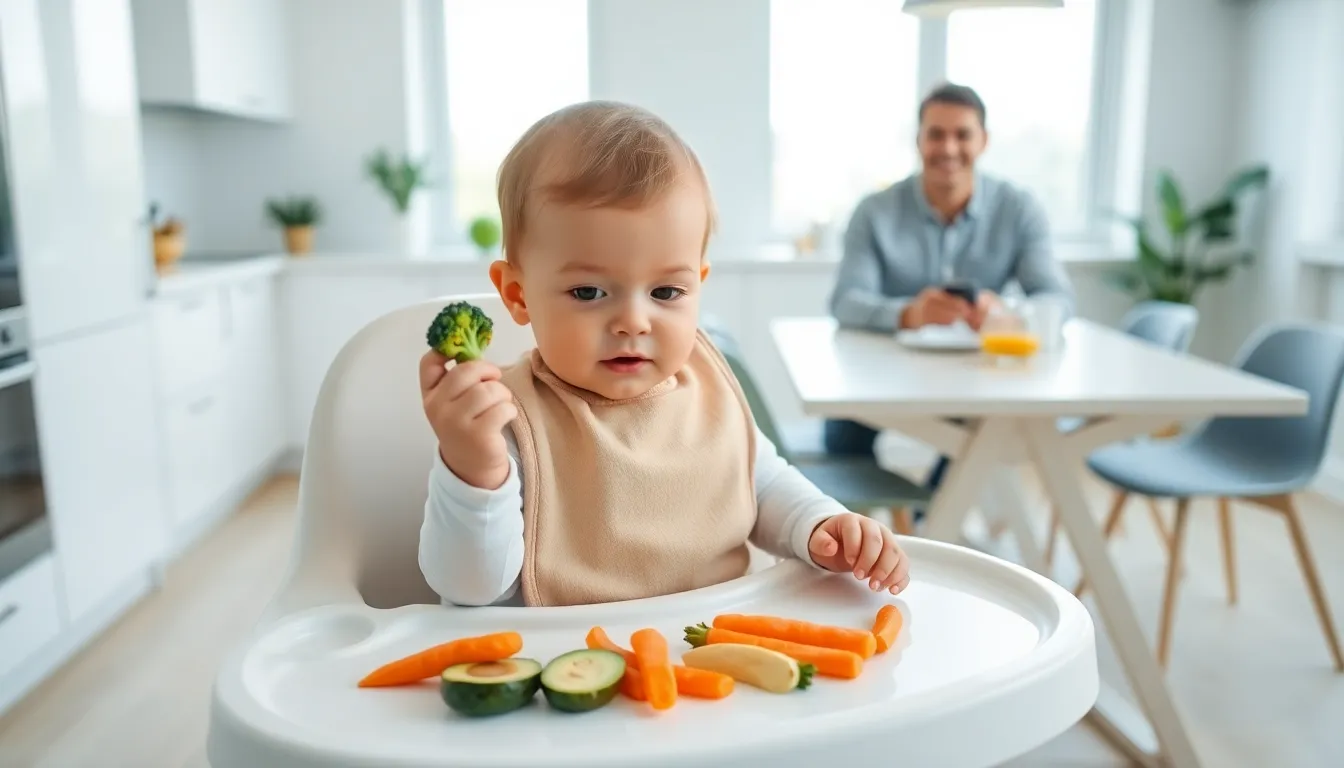
Baby-led weaning gives infants control over their first solid foods. Instead of spoon-feeding purees, parents offer soft finger foods that babies can grab, explore, and eat at their own pace. This method builds motor skills, encourages healthy eating habits, and makes mealtime less stressful for everyone involved.
Many parents feel unsure about how to start baby-led weaning safely. Questions about timing, food choices, and choking risks are common. This guide covers everything parents need to know, from recognizing readiness signs to choosing the best first foods and keeping babies safe at the table.
Table of Contents
ToggleKey Takeaways
- Baby-led weaning lets infants self-feed soft finger foods from around 6 months, building motor skills and healthy eating habits.
- Look for readiness signs like sitting upright, loss of tongue-thrust reflex, and reaching for objects before starting baby-led weaning.
- Offer soft, finger-sized foods like steamed vegetables, ripe fruits, and shredded proteins that babies can easily grab and squish.
- Gagging is a normal protective reflex during baby-led weaning, while true choking is silent and requires immediate action.
- Always supervise meals, use proper positioning, and learn infant CPR to keep your baby safe at the table.
- Start slow with one meal per day and trust your baby to lead—milk remains their primary nutrition until around 12 months.
What Is Baby-Led Weaning?
Baby-led weaning (BLW) skips the traditional puree stage. Instead of spoon-feeding, parents place soft, appropriately sized foods in front of their baby. The baby picks up the food, brings it to their mouth, and feeds themselves from the very start.
The term “weaning” here refers to introducing solid foods, not stopping breastfeeding or formula. Breast milk or formula remains the primary nutrition source until around 12 months. Baby-led weaning simply adds solid foods alongside milk feeds.
This approach differs from traditional weaning in several ways:
- Self-feeding: The baby controls what goes into their mouth and how much they eat.
- Whole foods: Parents offer soft pieces of food rather than smooth purees.
- Family meals: Babies often eat the same foods as the rest of the family (with appropriate modifications).
Research shows baby-led weaning may help children develop better appetite regulation. A 2017 study in BMJ Open found that babies who self-fed had lower rates of obesity later in childhood. They also showed more willingness to try new foods.
Baby-led weaning works well for many families, but it’s not the only valid approach. Some parents combine BLW with traditional purees, often called “combination feeding.” The key is finding what works best for each individual baby and family.
Signs Your Baby Is Ready for Baby-Led Weaning
Most babies show readiness for baby-led weaning around 6 months of age. But, age alone isn’t the deciding factor. Parents should look for specific developmental signs before introducing solid foods.
Physical Readiness Signs
Sitting upright with minimal support: A baby must hold their head steady and sit in a high chair without slumping. This position helps prevent choking and allows proper swallowing.
Loss of tongue-thrust reflex: Young infants automatically push objects out of their mouths with their tongues. This reflex typically fades around 4-6 months. If a baby still pushes food out immediately, they’re not ready.
Reaching and grabbing objects: Babies need hand-eye coordination to pick up food and bring it to their mouths. Look for purposeful reaching and a developing pincer grasp.
Behavioral Signs
- Showing interest in food during family meals
- Opening their mouth when food approaches
- Bringing objects (toys, teethers) to their mouth regularly
- Chewing motions, even without food
Pediatricians recommend waiting until 6 months before starting any solid foods. Starting baby-led weaning too early increases choking risk and may interfere with milk intake. When in doubt, parents should consult their pediatrician before beginning.
Best First Foods for Baby-Led Weaning
The best first foods for baby-led weaning are soft enough to squish between two fingers yet firm enough for a baby to hold. At 6 months, babies use their whole fist to grab food, so pieces should be long and stick-shaped, about the size of an adult finger.
Excellent Starter Foods
Vegetables: Steamed broccoli florets, roasted sweet potato strips, soft-cooked carrot sticks, and avocado slices make great first options. Cook vegetables until very soft.
Fruits: Ripe banana (leave some peel for grip), soft pear slices, ripe mango strips, and steamed apple wedges work well. Avoid hard raw fruits initially.
Proteins: Shredded chicken, flaked salmon, soft meatballs, and scrambled eggs provide important nutrients. Strip meat into thin, manageable pieces.
Carbohydrates: Toast strips, soft-cooked pasta, and well-cooked rice cakes offer easy options for little hands.
Foods to Avoid
- Whole nuts, grapes, cherry tomatoes, and hot dogs (choking hazards)
- Honey (botulism risk before age 1)
- Added salt and sugar
- Cow’s milk as a main drink (though fine in cooking)
- Low-fat products, babies need healthy fats for brain development
Parents practicing baby-led weaning should introduce allergenic foods early. Current guidelines from the American Academy of Pediatrics recommend offering peanut products, eggs, and fish starting at 6 months. Early exposure may actually reduce allergy risk.
Essential Safety Tips to Prevent Choking
Choking concerns top the list of worries for parents starting baby-led weaning. Understanding the difference between gagging and choking helps reduce anxiety and keep babies safe.
Gagging vs. Choking
Gagging is normal and protective. It’s a loud, visible reflex that pushes food forward in the mouth. Babies gag frequently when learning to eat, it’s their body’s way of preventing choking. Gagging sounds dramatic but requires no intervention.
Choking is silent. The airway is blocked, and the baby cannot cough, cry, or breathe. This is a medical emergency requiring immediate action.
Safety Rules for Baby-Led Weaning
- Always supervise: Never leave a baby alone while eating. Sit with them throughout every meal.
- Proper positioning: Babies should sit upright in a high chair, not reclined or lying down.
- Appropriate food shapes: Avoid round, coin-shaped foods. Cut grapes lengthwise into quarters. Slice cherry tomatoes. Remove pits from all fruits.
- Correct textures: Foods should be soft enough to mash with gentle pressure. If parents can’t squish it between their fingers, it’s too hard.
- No distractions: Turn off screens during meals. Babies should focus on eating, not entertainment.
- Learn infant CPR: Every caregiver should complete an infant CPR and first aid course before starting baby-led weaning. Many hospitals and community centers offer these classes.
Studies show baby-led weaning does not increase choking risk compared to traditional weaning when parents follow safety guidelines. A 2016 study in Pediatrics found similar choking rates between both feeding methods.
Tips for Baby-Led Weaning Success
Starting baby-led weaning goes more smoothly with some practical preparation. These tips help parents set up for success and enjoy the process.
Expect Mess
Baby-led weaning is messy, really messy. Babies explore food with their hands, smear it on their faces, and drop most of it on the floor. This is normal and healthy. Place a splash mat under the high chair and keep expectations realistic. Some parents strip babies down to diapers at mealtimes for easier cleanup.
Start Slow
Begin with one “meal” per day, offering just two or three food options. Early on, most food ends up everywhere except the baby’s stomach. That’s fine. Milk remains the main nutrition source. Baby-led weaning is about exploration and skill-building, not calorie intake.
Eat Together
Babies learn by watching. Sitting down and eating the same foods shows babies what to do. Family meals also make baby-led weaning more convenient, parents can modify their own food rather than preparing separate dishes.
Trust the Baby
Resist the urge to put food in the baby’s mouth. Baby-led weaning means exactly that, the baby leads. They decide what to pick up, how much to eat, and when to stop. This builds healthy appetite regulation from the start.
Be Patient
Some babies take to baby-led weaning immediately. Others need weeks to warm up to solid foods. Both responses are normal. Progress isn’t linear, a baby might eat enthusiastically one day and refuse everything the next. Consistency matters more than perfection.