
Baby-led weaning has changed how many parents introduce solid foods to their infants. This feeding method skips purees and spoon-feeding entirely. Instead, babies feed themselves soft, age-appropriate foods from the start.
The approach gained popularity in the early 2000s after British health visitor Gill Rapley published her research. Today, pediatricians and parents across the globe recognize baby-led weaning as a valid alternative to traditional weaning methods. This guide covers everything parents need to know, from readiness signs to safe first foods and choking prevention strategies.
Table of Contents
ToggleKey Takeaways
- Baby-led weaning lets infants self-feed soft, age-appropriate foods instead of being spoon-fed purees, giving them control over what and how much they eat.
- Look for readiness signs like sitting upright, loss of tongue-thrust reflex, and interest in food before starting baby-led weaning around 6 months.
- The best first foods for baby-led weaning include steamed vegetables, ripe fruits, shredded proteins, and soft carbs cut into finger-length strips.
- Research shows baby-led weaning may support motor skill development, healthier eating habits, and reduced picky eating.
- Gagging is a normal protective reflex during baby-led weaning—choking risk doesn’t increase when proper safety rules are followed.
- Always supervise meals, use the “squish test” to check food softness, and learn infant CPR before starting solids.
What Is Baby-Led Weaning?
Baby-led weaning (BLW) is a feeding approach where infants self-feed solid foods instead of being spoon-fed purees. Parents offer soft, graspable foods, and babies decide what and how much to eat.
The key difference from traditional weaning? Control. With baby-led weaning, the infant leads the process. They pick up food, bring it to their mouth, chew, and swallow at their own pace. Parents act as facilitators rather than feeders.
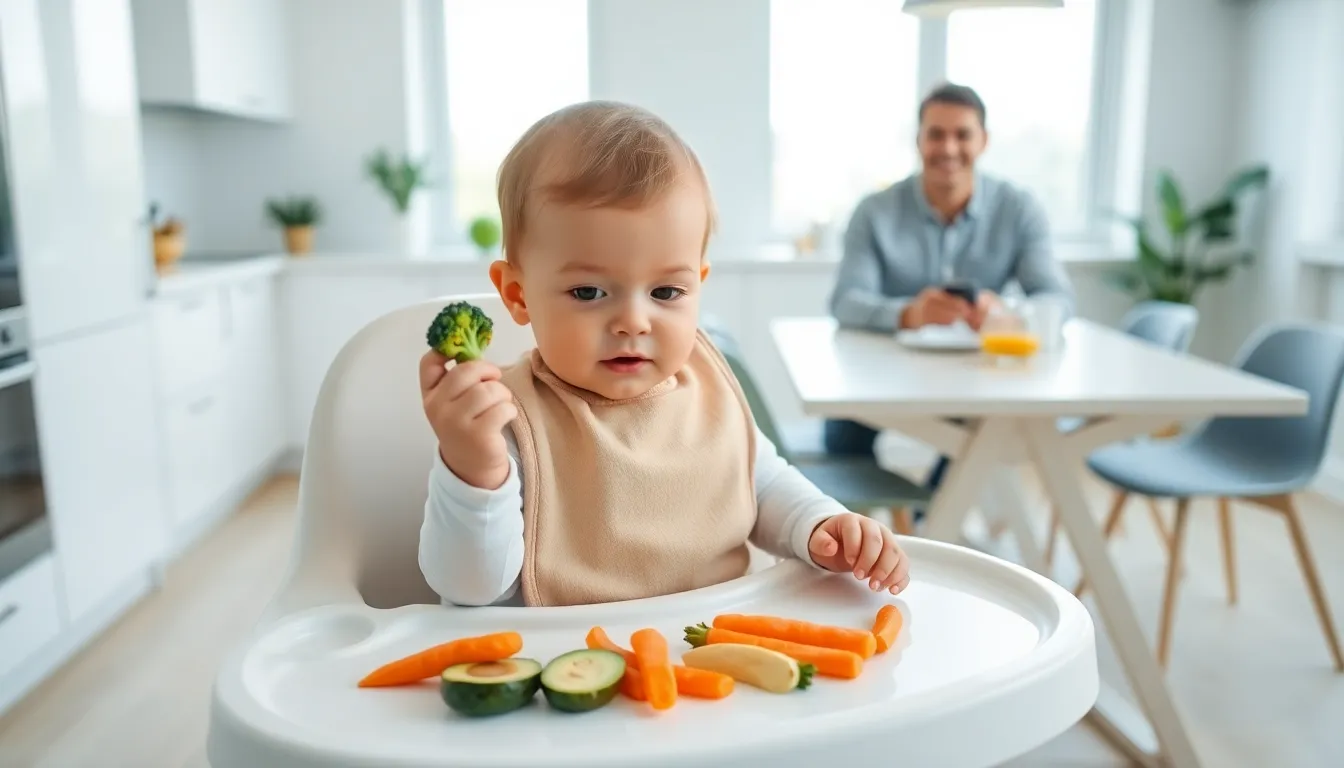
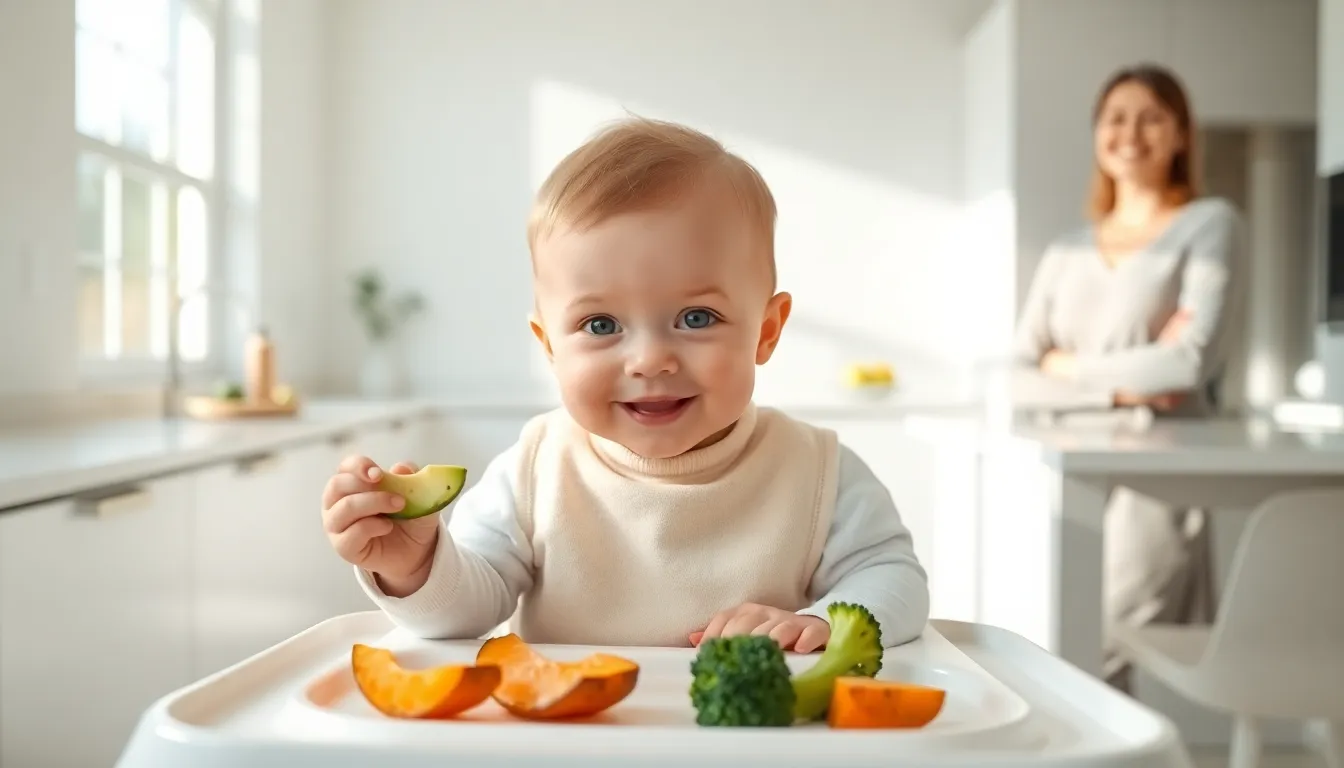
This method encourages babies to explore textures, colors, and flavors independently. A typical baby-led weaning meal might include steamed broccoli florets, banana spears, or strips of ripe avocado. The foods are soft enough to gum but firm enough to hold.
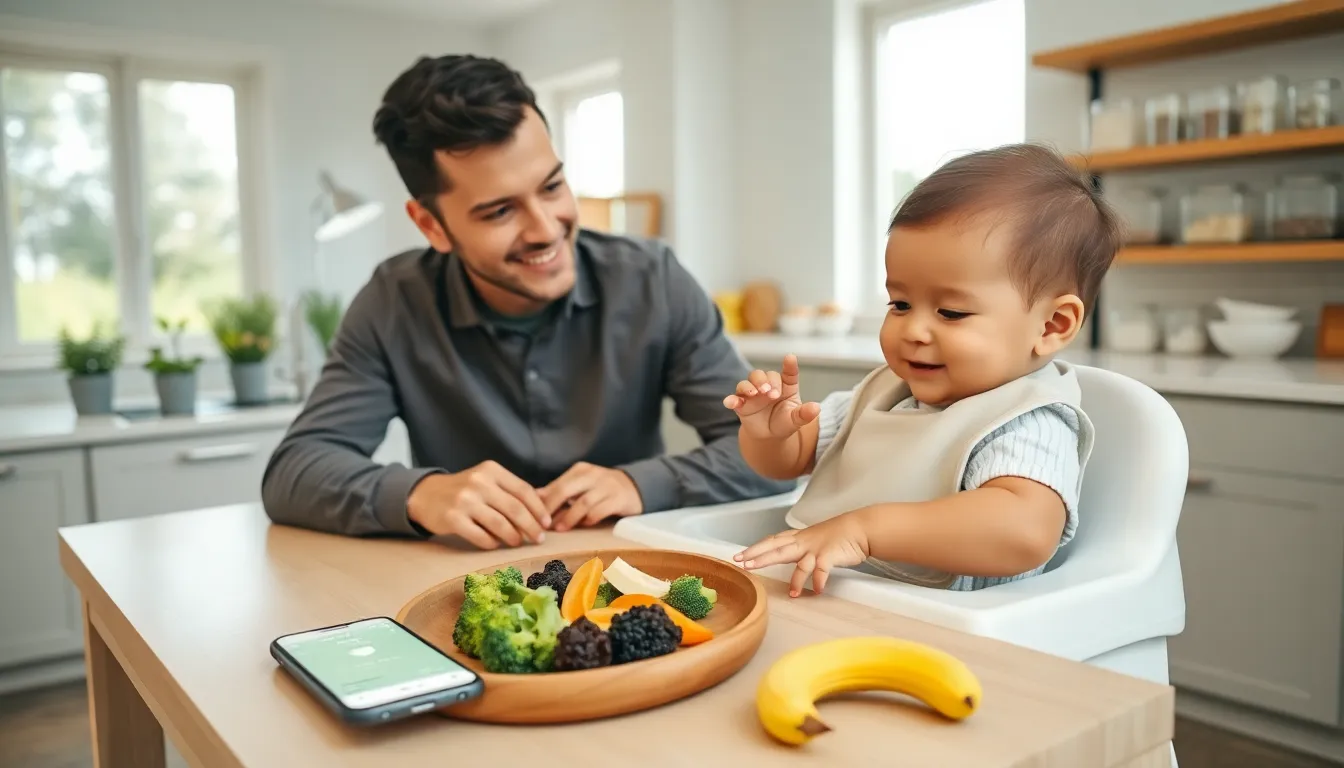
Baby-led weaning also integrates infants into family mealtimes. Rather than preparing separate purees, parents can offer modified versions of what everyone else eats. This creates a shared eating experience from the beginning.
Benefits of Baby-Led Weaning
Research suggests baby-led weaning offers several advantages for both infants and parents.
Motor skill development ranks high on the list. Self-feeding requires coordination between eyes, hands, and mouth. Babies practicing baby-led weaning often develop fine motor skills earlier than spoon-fed peers.
Healthier eating habits may follow. A 2012 study in BMJ Open found that baby-led weaning was associated with lower obesity rates. Babies learn to recognize fullness cues because they control their intake.
Less picky eating is another potential benefit. Exposure to varied textures early may reduce food aversions later. Spoon-fed babies often experience only smooth textures for months, which can make the transition to chunkier foods harder.
Convenience for parents shouldn’t be overlooked either. No pureeing, no freezing tiny portions, no airplane spoon games. Parents simply prepare soft versions of regular meals.
Baby-led weaning also supports oral development. Chewing strengthens jaw muscles and may benefit speech development down the line.
That said, baby-led weaning isn’t superior to traditional methods, it’s simply different. Some families combine both approaches, offering purees alongside finger foods. What matters most is that babies get adequate nutrition and positive mealtime experiences.
When to Start Baby-Led Weaning
Most health organizations recommend starting solids around 6 months. This applies to baby-led weaning too. But, age alone doesn’t determine readiness.
Babies develop at different rates. Some hit milestones at 5.5 months: others need until 7 months. Parents should watch for developmental signs rather than fixating on calendar dates.
Signs of Readiness
Before starting baby-led weaning, babies should demonstrate these abilities:
- Sitting upright with minimal support. Good trunk control prevents choking and allows safe swallowing.
- Loss of the tongue-thrust reflex. Young infants automatically push food out of their mouths. This reflex typically fades around 4-6 months.
- Interest in food. Babies ready for solids often watch others eat, reach for food, and open their mouths when food approaches.
- Ability to grasp objects. Baby-led weaning requires picking up food and bringing it to the mouth.
Parents should consult their pediatrician before beginning baby-led weaning, especially for premature babies or those with developmental delays. The doctor can confirm readiness and address any concerns about nutrition or allergies.
Best First Foods for Baby-Led Weaning
The best baby-led weaning foods share three qualities: soft texture, easy grip, and nutritional value.
Vegetables make excellent starter foods. Steamed sweet potato sticks, roasted butternut squash, and soft-cooked carrot spears work well. Cook them until a fork slides through easily.
Fruits offer natural sweetness babies enjoy. Ripe banana (cut lengthwise), soft pear slices, and avocado strips are popular choices. Avoid hard fruits like raw apple chunks.
Proteins can start early too. Shredded chicken, flaked salmon, and strips of well-cooked beef provide iron, a nutrient babies need around 6 months. Scrambled eggs and soft meatballs are other good options.
Carbohydrates round out baby-led weaning meals. Toast strips, soft pasta shapes, and well-cooked rice cakes give babies energy and practice with different textures.
Cut foods into finger-length strips when starting baby-led weaning. Babies grip with their whole fist initially, so food needs to stick out for them to eat it. As the pincer grasp develops (around 8-9 months), parents can offer smaller pieces.
A few foods to avoid in baby-led weaning:
- Honey (botulism risk under 12 months)
- Whole nuts and seeds
- Hard raw vegetables
- Whole grapes or cherry tomatoes
- High-sodium processed foods
Safety Tips and Choking Prevention
Safety concerns top the list for parents considering baby-led weaning. Choking fears are valid but often overblown.
First, understand the difference between gagging and choking. Gagging is a normal protective reflex. The baby’s face may redden, and they might cough or make retching sounds. This is their body learning to manage food. Choking is silent, the airway is blocked, and the baby cannot breathe or cry.
Studies show baby-led weaning doesn’t increase choking risk when done properly. A 2016 study in Pediatrics found no significant difference in choking episodes between baby-led and spoon-fed infants.
Essential safety rules for baby-led weaning:
- Always supervise mealtimes. Never leave a baby alone with food.
- Ensure the baby sits upright in a highchair.
- Avoid distractions during meals, no TV or screens.
- Test food softness by squishing it between your fingers. If you can mash it easily, it’s safe.
- Skip round, hard foods like whole grapes, hot dog rounds, and raw carrots.
- Learn infant CPR before starting baby-led weaning. Every parent and caregiver should know these life-saving skills.
The “squish test” helps parents judge food safety. Press the food against the roof of your mouth with your tongue. If it mashes easily, a baby can gum it safely.
Stay calm if gagging occurs. Babies usually work food out themselves. Panicked reactions can frighten them and create negative associations with eating.