A baby-led weaning guide can transform mealtimes from stressful spoon-feeding battles into enjoyable family experiences. This feeding approach lets babies feed themselves solid foods from the start, skipping purees entirely. Parents across the globe have embraced baby-led weaning for its simplicity and developmental benefits.
Baby-led weaning puts infants in control of what and how much they eat. They explore textures, flavors, and colors at their own pace. The result? Babies often develop better eating habits and stronger motor skills.
This guide covers everything parents need to know about baby-led weaning. From readiness signs to first foods and safety tips, the information here will help families start this feeding journey with confidence.
Table of Contents
ToggleKey Takeaways
- Baby-led weaning allows infants to feed themselves soft, finger-sized foods from the start, skipping purees entirely.
- Look for readiness signs around six months, including sitting independently, good head control, and interest in food.
- The best first foods for baby-led weaning are soft, easy to grip, and nutrient-rich—like avocado, steamed sweet potato, and ripe banana.
- Always test food softness by squishing it between your fingers; if it doesn’t squish easily, it’s too hard for baby.
- Gagging is a normal protective reflex, while choking is silent—learn infant CPR and never leave your baby unattended during meals.
- Early exposure to diverse flavors and textures through baby-led weaning can help reduce picky eating later in life.
What Is Baby-Led Weaning?
Baby-led weaning is a method of introducing solid foods where babies feed themselves from the beginning. Instead of spoon-feeding purees, parents offer soft, finger-sized pieces of food. The baby picks up the food, explores it, and decides how much to eat.
Gill Rapley, a British health visitor and midwife, popularized the term in the early 2000s. Her research showed that babies are capable of self-feeding around six months of age, the same time most health organizations recommend starting solids.
The baby-led weaning approach differs from traditional weaning in several key ways:
- Self-feeding: Babies use their hands to bring food to their mouths
- Whole foods: Parents offer soft pieces rather than blended purees
- Family meals: Babies eat the same foods as the rest of the family (with modifications)
- Baby’s pace: Infants control how much and how fast they eat
Many parents find this method reduces mealtime stress. There’s no coaxing a baby to open wide or playing airplane with a spoon. Babies learn to listen to their hunger cues naturally.
Baby-led weaning also supports motor skill development. Picking up food, bringing it to the mouth, and chewing all strengthen fine motor coordination. Studies suggest babies who self-feed may develop better hand-eye coordination than spoon-fed infants.
One common misconception: baby-led weaning doesn’t mean babies eat less. They still get most of their nutrition from breast milk or formula during the first year. Solid foods complement, not replace, milk feeds.
Signs Your Baby Is Ready for Baby-Led Weaning
Not every six-month-old is ready for baby-led weaning on the dot. Babies develop at different rates, and readiness depends on physical milestones rather than calendar age.
Here are the key signs a baby is ready for this feeding method:
Sitting up independently. A baby must sit upright with minimal support. This position keeps the airway clear and allows safe swallowing. Propping a baby up with pillows isn’t enough, they need core strength.
Loss of tongue-thrust reflex. Young babies automatically push food out of their mouths with their tongues. This reflex typically fades between four and six months. If food keeps coming back out, the baby isn’t ready yet.
Interest in food. Ready babies watch others eat with fascination. They may reach for food on the table or open their mouths when food comes near. This curiosity signals developmental readiness.
Pincer grasp development. While not required immediately, babies should be working toward picking up objects between thumb and forefinger. Early baby-led weaning works fine with a palmar grasp (whole hand), but the pincer grip develops with practice.
Good head control. Babies need steady head control to chew and swallow safely. A wobbly head indicates the baby needs more time.
Most babies show these signs around six months, though some may take longer. The American Academy of Pediatrics recommends waiting until six months before introducing any solid foods.
Parents shouldn’t rush baby-led weaning. A few extra weeks of waiting causes no harm. Starting before a baby shows clear readiness can create frustration and safety concerns.
Best First Foods for Baby-Led Weaning
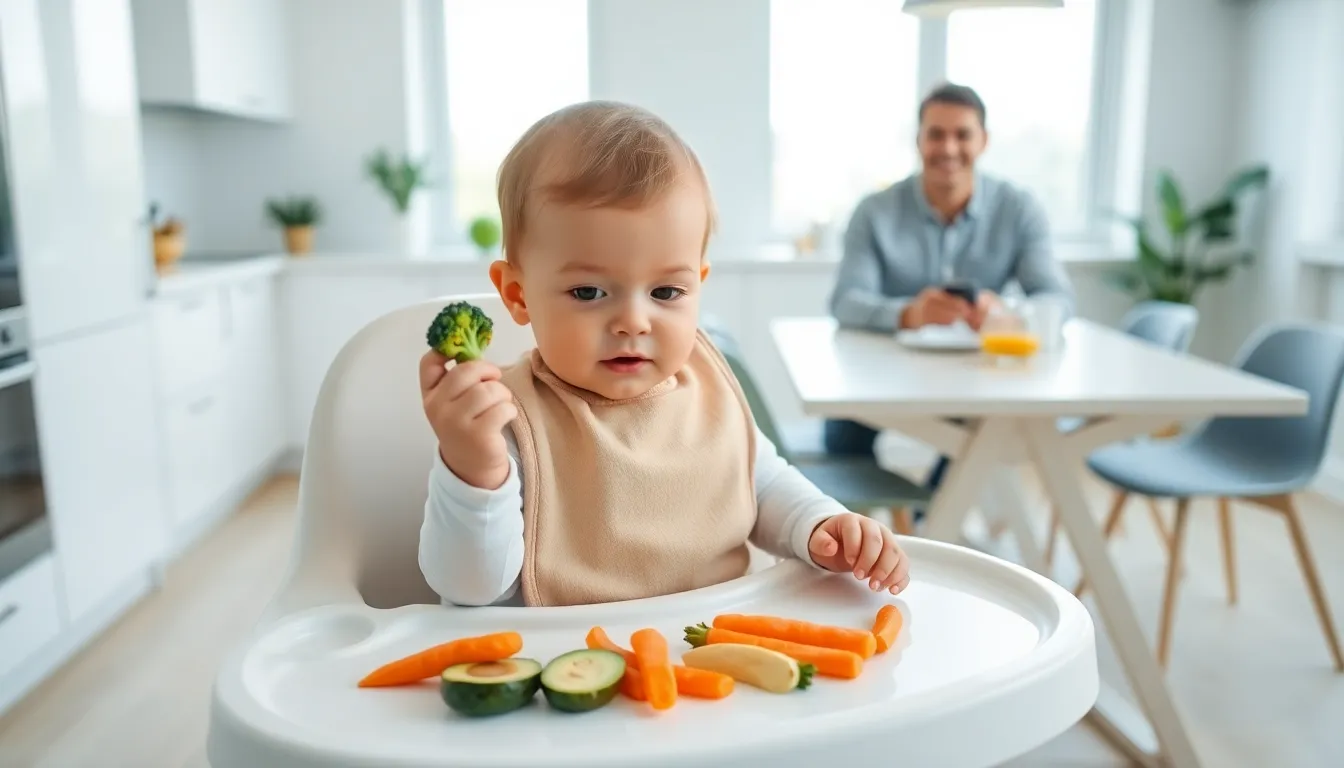
The best first foods for baby-led weaning are soft, easy to grip, and nutritious. Parents should cut foods into finger-length strips, about the size of an adult pinky finger. This shape lets babies hold the food with some sticking out to gnaw on.
Excellent starter foods include:
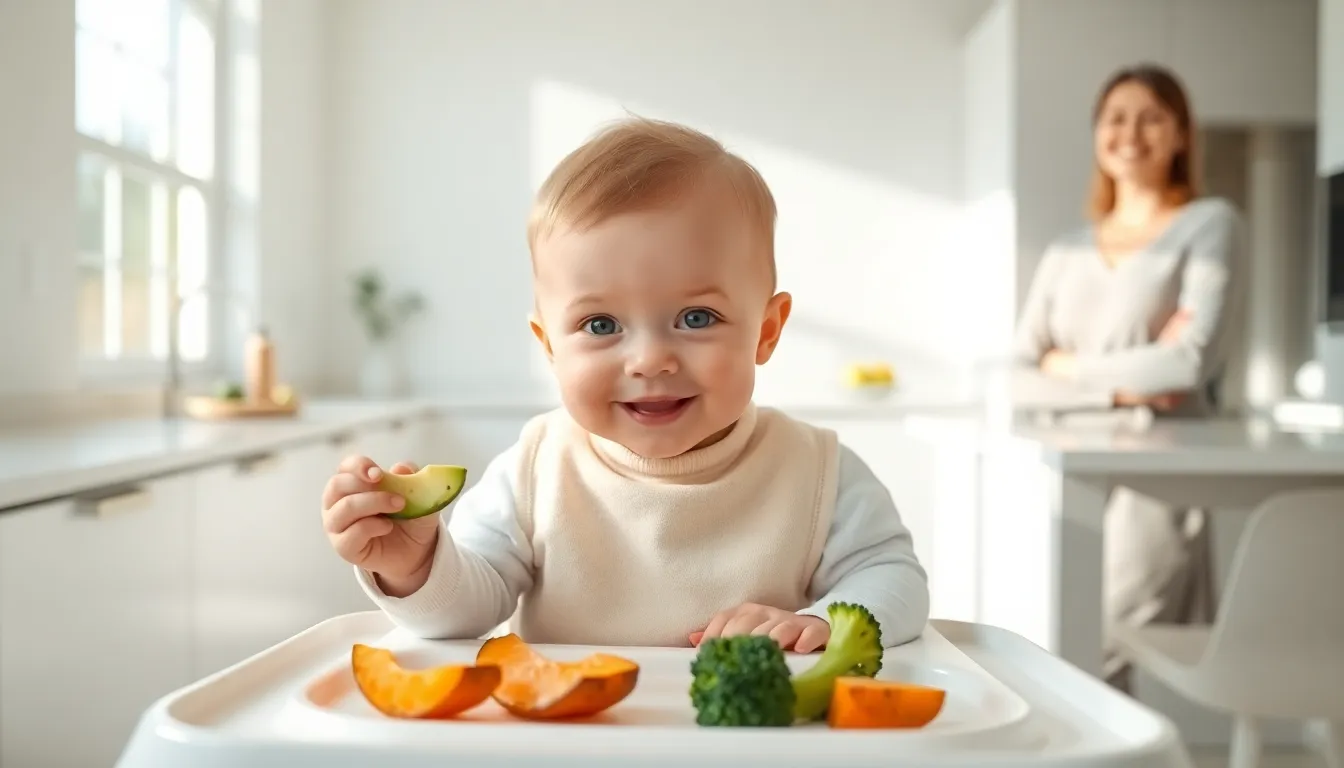
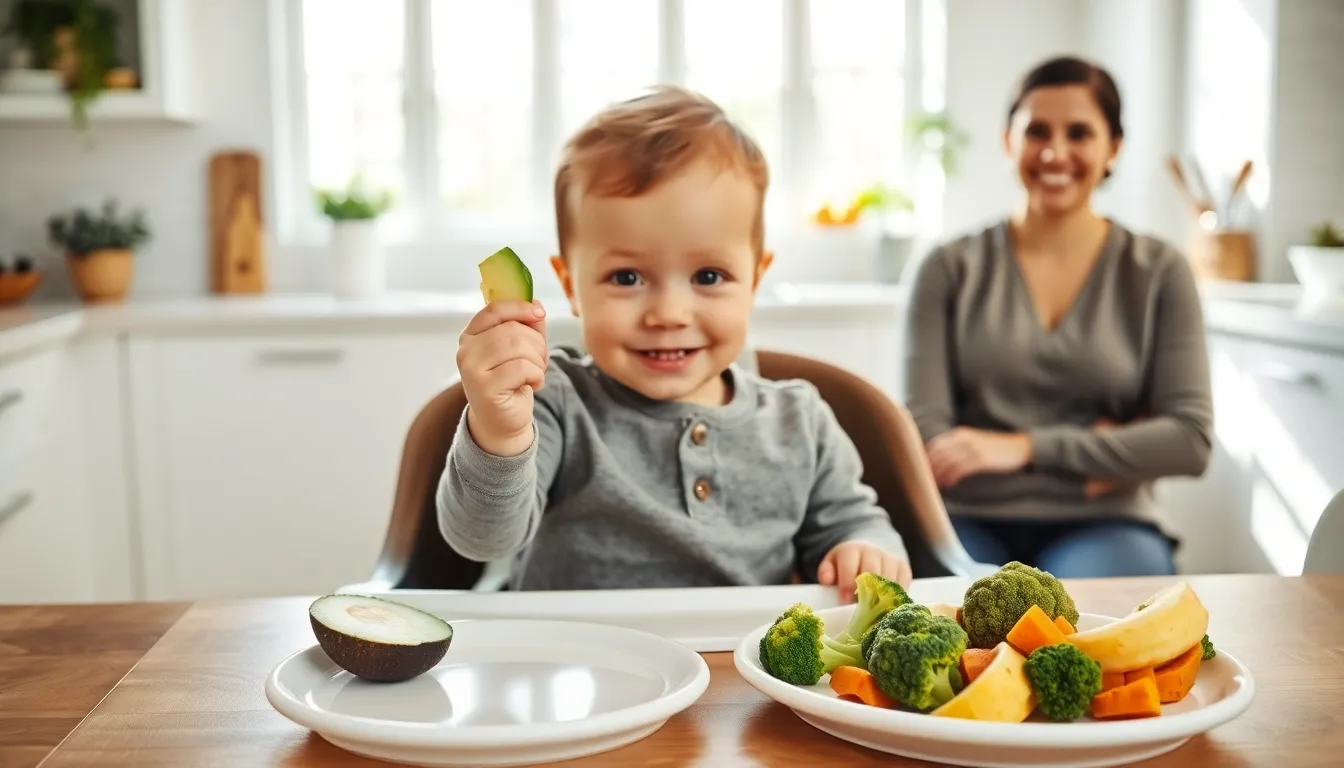
- Avocado: Soft, nutrient-dense, and easy to mash with gums
- Banana: Leave some peel on for better grip, or roll in crushed cereal
- Steamed sweet potato: Cut into wedges and cook until very soft
- Ripe pear or peach: Soft enough to gum without teeth
- Steamed broccoli florets: The “handle” makes them easy to hold
- Cooked carrot sticks: Steam until they squish easily between fingers
- Soft-cooked egg strips: Great source of protein and iron
- Toast strips with nut butter: Thin layer only to prevent choking
Iron-rich foods matter. Babies’ iron stores from birth start depleting around six months. Good baby-led weaning options include beef strips, dark chicken meat, lentils, and iron-fortified cereals mixed into other foods.
Foods to avoid in baby-led weaning:
- Whole nuts and seeds
- Whole grapes or cherry tomatoes (cut lengthwise instead)
- Hard raw vegetables like carrots or apples
- Honey (before age one due to botulism risk)
- Added salt or sugar
- Highly processed foods
The baby-led weaning guide principle here is simple: if the food squishes between adult fingers, it’s soft enough for a baby. Parents can offer most family foods with minor adjustments, skip the salt during cooking and cut items into safe shapes.
Variety matters from the start. Research shows that babies exposed to diverse flavors early become less picky eaters later. Don’t shy away from spices (not spicy heat), herbs like basil, cinnamon, and garlic can make baby-led weaning meals interesting.
Essential Safety Tips to Prevent Choking
Safety is every parent’s top concern with baby-led weaning. Understanding the difference between gagging and choking helps reduce anxiety and keep babies protected.
Gagging vs. choking: Gagging is normal and actually protective. It’s a reflex that pushes food forward in the mouth before it reaches the airway. Gagging babies make noise, may cough, and their faces might turn red briefly. Choking is silent, the baby cannot cry, cough, or breathe.
Babies who self-feed often gag less over time as they learn to manage food in their mouths. Some research suggests baby-led weaning may actually reduce choking risk because babies control the food from start to finish.
Critical safety rules for baby-led weaning:
- Never leave a baby alone while eating. An adult must always supervise meals.
- Ensure proper positioning. Babies should sit upright in a high chair, not reclined.
- Learn infant CPR. Every caregiver should know how to respond to a choking emergency. Local hospitals and community centers often offer classes.
- Cut foods correctly. Round foods like grapes and cherry tomatoes must be quartered lengthwise. Hot dogs should never be served in coin shapes.
- Test food softness. If you can’t squish food between your thumb and forefinger, it’s too hard for baby.
- Skip the distractions. No TV or tablets during meals. Babies need to focus on eating.
- Avoid feeding in car seats or strollers. The reclined position increases choking risk.
High-risk foods to avoid completely:
- Whole nuts
- Popcorn
- Raw apple chunks
- Chunks of cheese
- Marshmallows
- Hard candies
Parents often worry more than necessary about baby-led weaning safety. When families follow basic guidelines, proper food preparation, upright seating, and constant supervision, this feeding method is as safe as traditional weaning.