
Choosing the right educational apps and toys for beginners can feel overwhelming. Store shelves overflow with products claiming to boost your child’s development. App stores feature thousands of options labeled “educational.” How do parents know what actually works?
This guide breaks down the best educational apps and toys for beginners. It covers why these tools matter, which options deliver real learning value, and how to strike a healthy balance between screens and hands-on play. Parents will walk away with practical insights to support their child’s early learning journey.
Table of Contents
ToggleKey Takeaways
- Educational apps and toys for beginners build foundational skills like problem-solving, letter recognition, and fine motor coordination during the critical ages of 2 to 6.
- Top recommended apps include Khan Academy Kids, Endless Alphabet, and Starfall ABCs—all offering engaging, ad-free learning experiences.
- Physical toys like building blocks, shape sorters, and puzzles provide essential sensory and tactile learning that screens cannot replicate.
- Choose educational tools that match your child’s age, interests, and developmental stage for maximum engagement and learning value.
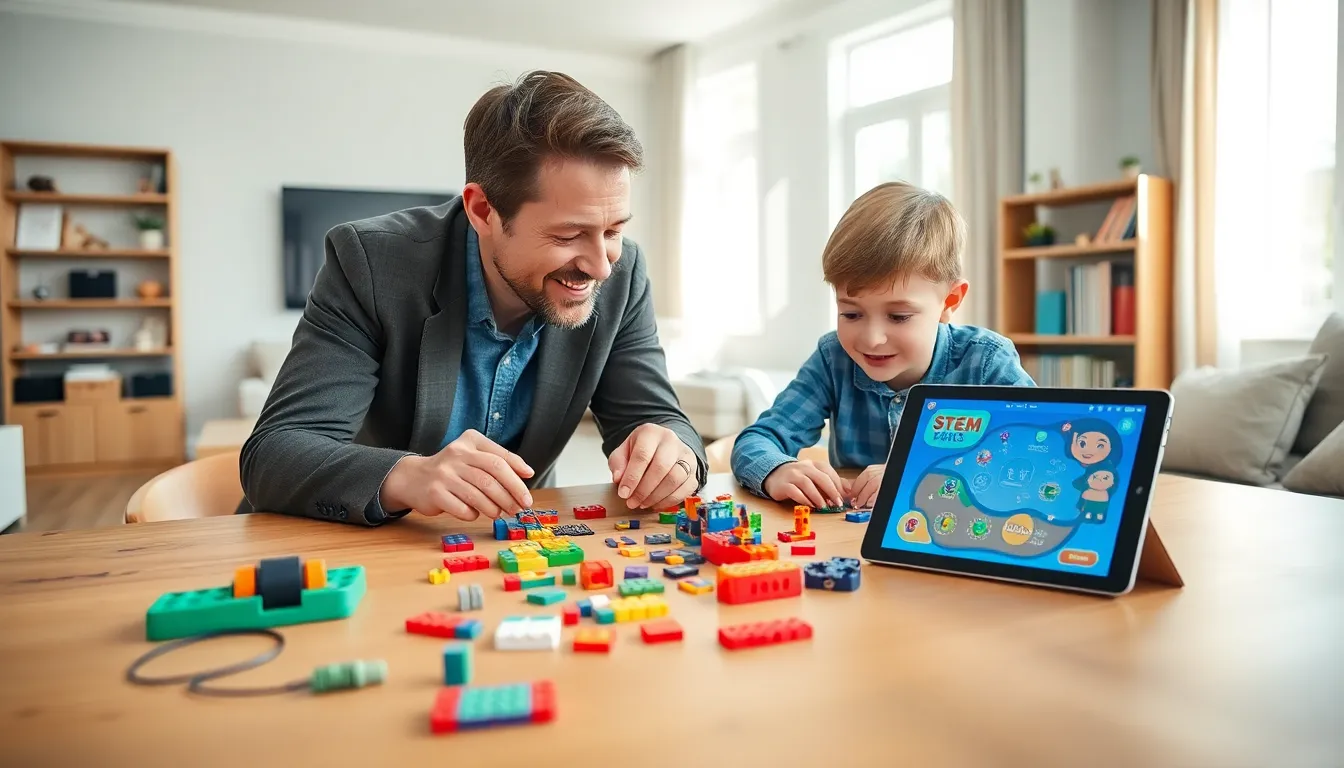
- Balance screen time with hands-on play, and co-view or co-play with your child to amplify learning outcomes.
- The best educational apps and toys for beginners engage children actively, teach specific skills, and grow with them over time.
Why Educational Apps and Toys Matter for Young Learners
Children learn best through play. Research from the American Academy of Pediatrics confirms that play-based learning supports cognitive, social, and emotional development. Educational apps and toys for beginners tap into this natural learning style.
Quality educational tools do more than entertain. They build foundational skills like problem-solving, letter recognition, counting, and fine motor coordination. A well-designed app teaches phonics through interactive games. A shape-sorting toy develops spatial reasoning and hand-eye coordination.
The early years, ages 2 to 6, represent a critical window for brain development. During this period, children form neural connections at a rapid pace. Educational apps and toys for beginners provide structured opportunities for this growth. They introduce concepts in age-appropriate ways that keep kids engaged.
Parents also benefit from these tools. They offer screen-free moments for household tasks or provide interactive options for car rides and waiting rooms. The key lies in selecting products that prioritize learning over passive entertainment.
Top Educational Apps for Beginners
Several educational apps stand out for young learners. These apps combine engaging design with proven learning methods.
Khan Academy Kids
Khan Academy Kids offers a free, ad-free experience for ages 2 to 8. The app covers reading, writing, math, and social-emotional skills. It adapts to each child’s learning pace and includes offline access.
Endless Alphabet
Endless Alphabet teaches vocabulary and spelling through animated puzzles. Children drag letters into place while friendly monsters demonstrate word meanings. The app makes learning new words genuinely fun.
PBS Kids Games
PBS Kids Games features characters from popular shows like Daniel Tiger and Curious George. It offers games focused on math, reading, science, and creativity. The familiar characters help children feel comfortable while learning.
Starfall ABCs
Starfall ABCs focuses specifically on letter recognition and phonics. It uses songs, animations, and interactive activities to teach the alphabet. Many kindergarten teachers recommend this app for pre-reading skills.
Toca Boca Series
Toca Boca apps encourage open-ended creative play. Options like Toca Kitchen and Toca Life World let children experiment without rigid rules. These apps build imagination and problem-solving abilities.
When selecting educational apps for beginners, parents should look for minimal ads, intuitive interfaces, and content that aligns with developmental goals.
Best Educational Toys for Early Development
Physical toys remain essential for early development. They offer sensory experiences that screens cannot replicate.
Building Blocks
Classic building blocks teach spatial awareness, balance, and creativity. Brands like Mega Bloks work well for toddlers, while LEGO DUPLO suits ages 2 and up. Children learn cause and effect as towers rise and tumble.
Shape Sorters
Shape sorters develop problem-solving skills and shape recognition. Children must rotate and orient pieces to find the correct slot. This simple activity strengthens cognitive flexibility.
Puzzles
Age-appropriate puzzles build patience and spatial reasoning. Start with 4-piece puzzles for toddlers and progress to more complex designs. Wooden puzzles with knobs help small hands develop grip strength.
Play Dough and Modeling Clay
Modeling materials strengthen fine motor skills. Children squeeze, roll, and shape, all movements that prepare hands for writing. Play dough also encourages creative expression.
Musical Instruments
Simple instruments like xylophones, drums, and shakers introduce rhythm and cause-and-effect relationships. Music toys also support language development through songs and patterns.
Magnetic Tiles
Brands like Magna-Tiles let children build 3D structures using colorful magnetic shapes. These toys teach geometry concepts and encourage imaginative construction.
Educational toys for beginners should match the child’s developmental stage. A toy that frustrates a 2-year-old might captivate a 4-year-old.
How to Choose the Right Educational Tools for Your Child
Not every educational product suits every child. Parents should consider several factors before purchasing.
Age appropriateness matters. Check recommended age ranges on packaging or app descriptions. A toy designed for older children may frustrate younger ones. Similarly, apps with complex interfaces can overwhelm beginners.
Consider your child’s interests. A dinosaur-obsessed child will engage more with dino-themed counting games. Educational apps and toys for beginners work best when they connect with existing passions.
Prioritize open-ended play. Tools that allow multiple ways to play offer longer-lasting value. A set of blocks inspires different creations each day. An app with only one correct answer limits exploration.
Check reviews from other parents. Real-world feedback reveals whether products deliver on their promises. Look for comments about durability, engagement level, and actual learning outcomes.
Evaluate screen time trade-offs. Some apps teach effectively but encourage extended use. Others build in natural stopping points. Parents should understand how each tool fits into daily routines.
Quality educational apps and toys for beginners share common traits: they engage children actively, teach specific skills, and grow with the child over time.
Balancing Screen Time With Hands-On Play
Screen time concerns many parents. The American Academy of Pediatrics recommends limiting screen use for children under 5. But, quality matters more than quantity alone.
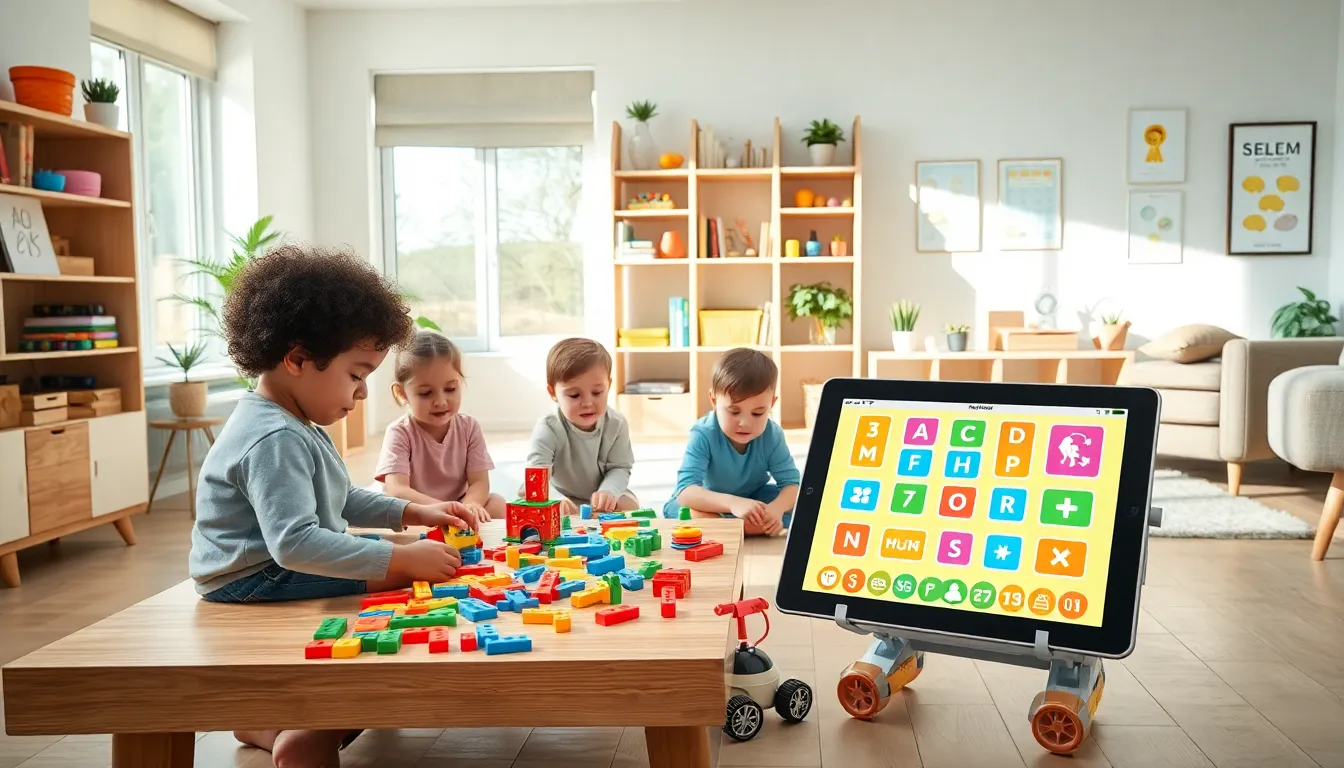
Educational apps for beginners can supplement, not replace, physical play. A healthy approach combines both. Children might spend 20 minutes with a phonics app, then switch to building blocks or outdoor play.
Co-viewing and co-playing amplify learning. When parents participate in app activities, children retain more information. Asking questions like “What letter is that?” or “Why did the character do that?” extends learning beyond the screen.
Physical toys offer benefits screens cannot match. They provide tactile feedback, encourage movement, and support social play with siblings or friends. Building a block tower together teaches turn-taking and collaboration.
Create screen-free zones and times. Mealtimes, bedrooms, and the hour before sleep work well as device-free periods. This structure helps children understand that screens are one activity among many.
Educational apps and toys for beginners complement each other. Used together thoughtfully, they create a rich learning environment.