
Family activities and games bring people together in ways that screens and solo hobbies simply can’t. Whether it’s a rainy Saturday afternoon or a sunny weekend, shared experiences create bonds that last well beyond the moment. Kids remember the laughter around a board game. Adults treasure the joy of watching their children learn something new. These moments matter.
Finding the right family activities doesn’t require a big budget or elaborate planning. Sometimes the best memories come from a simple card game, a backyard scavenger hunt, or a messy craft project at the kitchen table. This guide covers indoor games, outdoor adventures, creative projects, and practical tips to help families spend more meaningful time together.
Table of Contents
ToggleKey Takeaways
- Family activities and games strengthen emotional bonds, improve communication, and reduce stress for both kids and adults.
- Indoor options like board games, card games, and puzzles provide quality time without needing good weather or a big budget.
- Outdoor family activities such as backyard games, nature walks, and gardening encourage physical activity and exploration.
- Creative projects like cooking, crafting, and science experiments let families build lasting memories while learning together.
- Scheduling a regular game night, rotating who picks the activity, and eliminating distractions help turn family time into a lasting tradition.
- Adjusting rules for younger players and focusing on fun over competition keeps everyone engaged and included.
Benefits of Spending Quality Time Together
Family activities and games offer more than entertainment. They strengthen relationships, improve communication, and build trust between family members of all ages.
Stronger Emotional Bonds
Playing together gives families a shared language. Inside jokes develop. Kids see their parents as playmates, not just rule-makers. Parents get to know their children’s personalities outside of assignments and chores. These interactions create a foundation of trust and connection.
Improved Communication Skills
Games require talking, listening, and sometimes negotiating. Children learn to express themselves, handle losing gracefully, and celebrate others’ wins. Adults practice patience and encouragement. These skills transfer to everyday conversations and strengthen family dynamics.
Reduced Stress for Everyone
Laughter is a powerful stress reliever. Family activities provide a break from work pressures, school stress, and daily routines. Even 30 minutes of focused play can reset everyone’s mood. Studies show that families who engage in regular shared activities report higher satisfaction and lower conflict levels.
Better Mental and Physical Health
Active family games get bodies moving. Creative projects stimulate minds. Both contribute to overall well-being. Children who participate in regular family activities tend to perform better academically and show fewer behavioral issues. For adults, these moments offer mental breaks that boost productivity and happiness.
Indoor Games the Whole Family Can Enjoy
When weather keeps everyone inside, indoor family activities and games save the day. The key is choosing options that work for different ages and attention spans.
Classic Board Games
Monopoly, Scrabble, and Clue remain popular for good reason. They teach strategy, patience, and fair play. For younger kids, Candy Land, Chutes and Ladders, or Uno offer simpler rules with plenty of excitement. Cooperative games like Pandemic or Forbidden Island let families work as a team rather than competing against each other.
Card Games
A standard deck of cards opens up dozens of possibilities. Go Fish and Crazy Eights work for young children. Older kids enjoy Rummy, Spades, or Hearts. These games travel easily and require no batteries or setup time.
Puzzle Nights
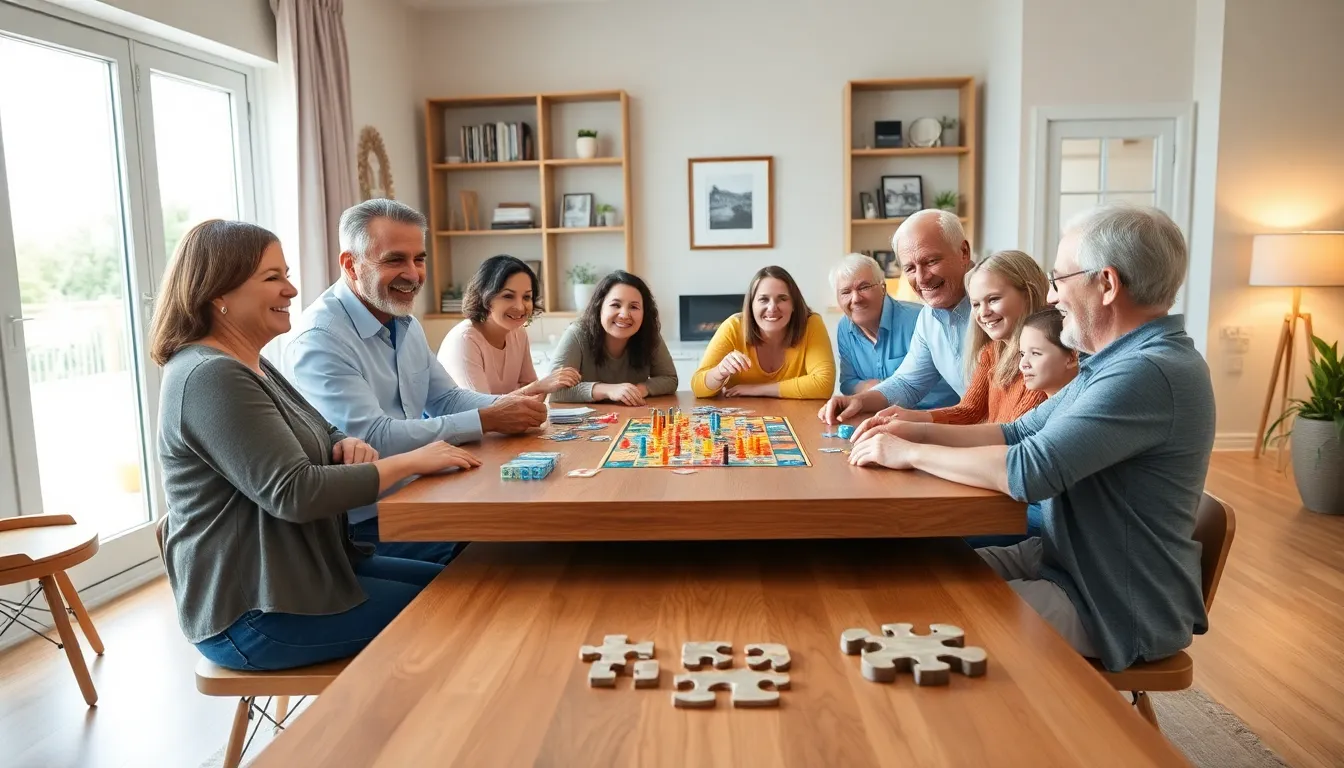
Jigsaw puzzles bring families around a table for conversation while working toward a shared goal. Choose a size that matches available time, 500 pieces for an evening, 1,000 or more for a weekend project. The satisfaction of placing that final piece together creates a genuine sense of accomplishment.
Video Games with Multiplayer Options
Not all screen time is isolating. Games like Mario Kart, Just Dance, or Overcooked encourage teamwork and friendly competition. The key is playing together rather than beside each other.
Outdoor Activities for Active Family Fun
Fresh air and physical activity make outdoor family activities especially rewarding. These options range from low-effort to full-day adventures.
Backyard Games
Cornhole, bocce ball, and ladder toss require minimal equipment and suit all skill levels. Tag, hide-and-seek, and capture the flag cost nothing and deliver maximum fun. Setting up a simple obstacle course with household items challenges kids and adults alike.
Nature Walks and Hikes
Exploring local trails turns exercise into adventure. Bring a field guide to identify birds, plants, or insects. Create a scavenger hunt with items to spot along the way. Even a walk around the neighborhood becomes engaging with the right prompts.
Sports and Active Play
Soccer, basketball, frisbee, and catch don’t require official teams or equipment. Adjust rules to include younger players, everyone touches the ball, nobody keeps score. The goal is movement and laughter, not competition.
Gardening Projects
Planting flowers, vegetables, or herbs teaches responsibility and patience. Kids love digging in dirt, watering plants, and watching things grow. This activity spans seasons and provides ongoing opportunities for family time together.
Camping and Stargazing
Backyard camping introduces kids to outdoor sleeping without a long drive. S’mores over a fire pit, stargazing with an app that identifies constellations, and flashlight tag create magical memories.
Creative Projects and DIY Activities
Arts and crafts give families a chance to create something together. These family activities encourage imagination and result in keepsakes worth saving.
Art Projects
Painting, drawing, and collage-making suit all ages. Set up a shared workspace with supplies and let everyone create. Collaborative murals or family portraits make meaningful decorations. No artistic talent required, the process matters more than the result.
Cooking and Baking Together
The kitchen offers endless family activities. Pizza night lets everyone choose toppings. Baking cookies teaches measuring and following instructions. Making family recipes passes traditions to the next generation. Kids who help prepare meals often try new foods more willingly.
Building and Construction
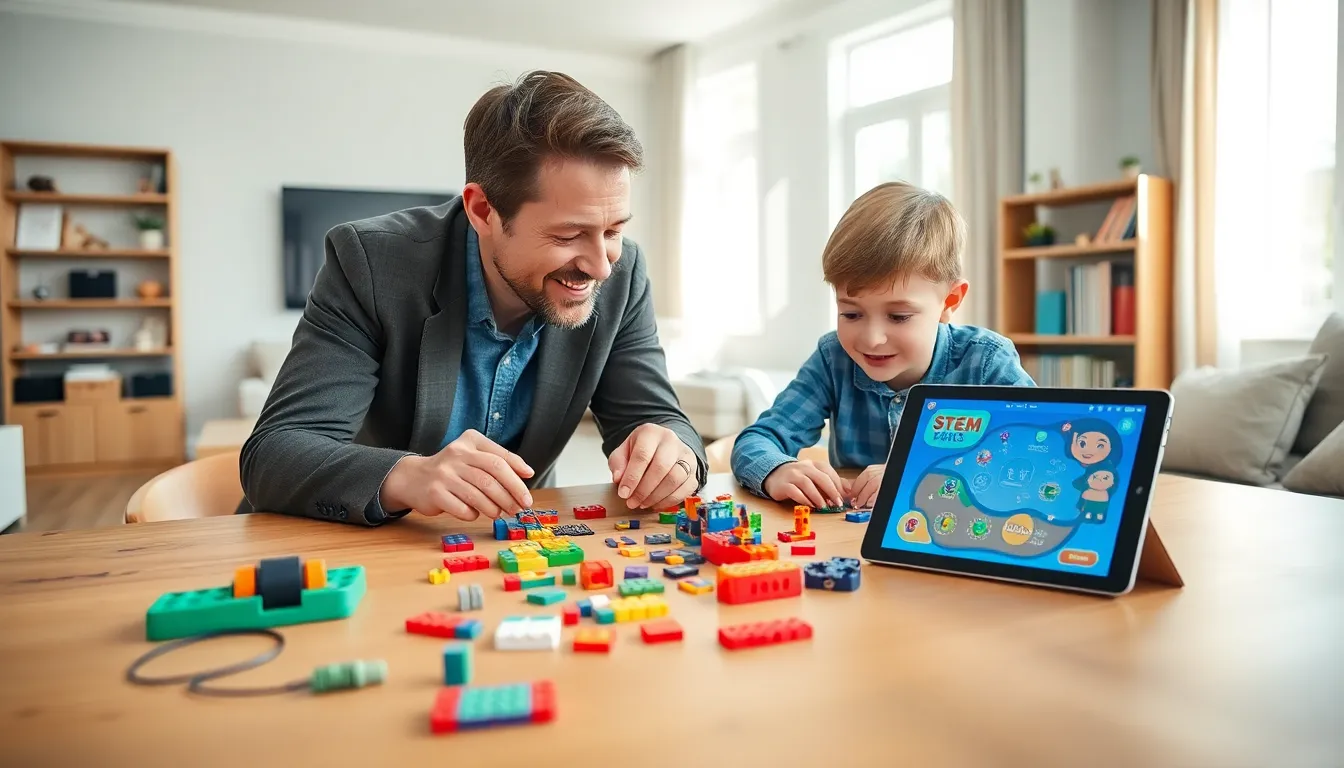
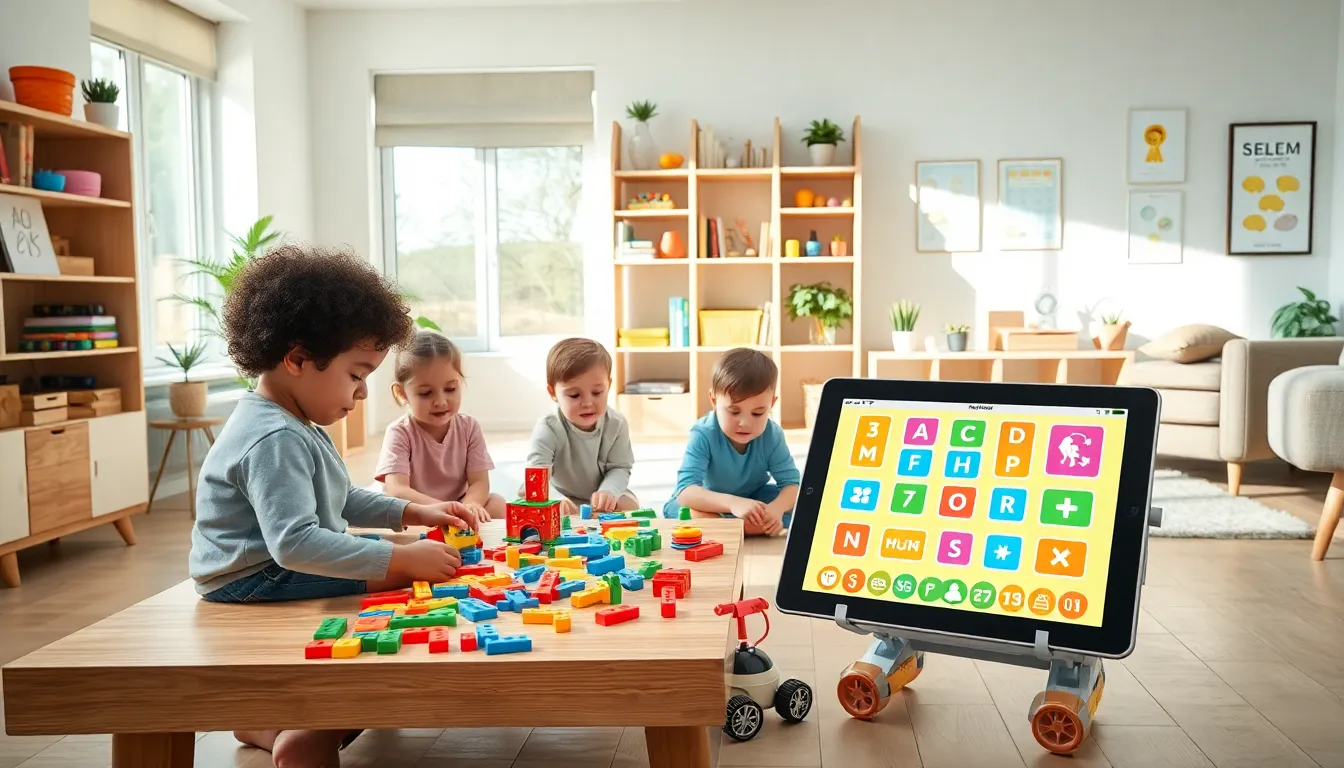
Lego sets, model kits, and blanket forts spark creativity. Building a birdhouse, decorating a picture frame, or constructing a cardboard castle provides hours of focused family time. These projects teach problem-solving and spatial thinking.
Science Experiments
Simple experiments with household items fascinate kids. Baking soda volcanoes, slime-making, and growing crystals combine learning with hands-on fun. Online resources provide step-by-step guides for hundreds of safe, easy experiments.
Memory-Making Crafts
Scrapbooking, photo album creation, and time capsule assembly help families reflect on shared experiences. These activities spark conversations about past adventures and dreams for the future.
Tips for Making Family Game Night a Success
Consistency turns occasional fun into lasting tradition. These practical tips help families establish regular game nights that everyone anticipates.
Schedule It
Put family game night on the calendar. Weekly or biweekly works for most families. Treating it as a commitment rather than an afterthought ensures it actually happens. Friday or Saturday evenings work well since there’s no assignments or early bedtimes.
Rotate Game Selection
Let each family member take turns choosing the activity. This prevents older kids from always picking complex games or parents from selecting their own favorites. Everyone feels heard and invested.
Eliminate Distractions
Phones go in another room. TV stays off. This focused time together shows kids that they’re the priority. Adults often discover they enjoy the break from constant connectivity.
Keep Snacks Simple
Popcorn, pretzels, or fruit keep hands free and mess minimal. Avoid anything that might damage game pieces or create sticky fingers.
Adjust for Ages
Modify rules so younger children can participate meaningfully. Team up a little one with an older sibling or parent. The goal is inclusion, not strict rule-following.
Handle Competition Gracefully
Some kids struggle with losing. Some adults do too. Keep the atmosphere light. Emphasize fun over winning. Consider cooperative games that put everyone on the same team.