A family activities & games guide helps households discover meaningful ways to spend time together. Whether families gather around the kitchen table or head outside for adventure, shared experiences build stronger connections and lasting memories.
Finding the right activities can feel overwhelming with so many options available. This guide breaks down practical ideas for indoor games, outdoor fun, creative projects, and tips for successful family game nights. Each suggestion works for different ages, budgets, and skill levels. The goal is simple: help families enjoy quality time without the stress of planning.
Table of Contents
ToggleKey Takeaways
- A family activities & games guide helps households plan quality time together without the stress of figuring out what to do.
- Indoor games like board games, card games, and puzzles offer screen-free entertainment for all ages and weather conditions.
- Outdoor activities such as backyard games, nature exploration, and seasonal fun provide physical exercise while building family connections.
- Creative projects like cooking, crafts, and building activities teach practical skills and produce tangible memories families can share.
- Successful family game nights require consistent scheduling, rotating who picks the activity, and adapting rules to include all ages.
- Setting ground rules about sportsmanship and adding snacks transforms ordinary game nights into memorable family traditions.
Indoor Games the Whole Family Can Enjoy
Indoor games offer reliable entertainment regardless of weather or season. They bring family members together in shared spaces and encourage interaction without screens.
Classic Board Games
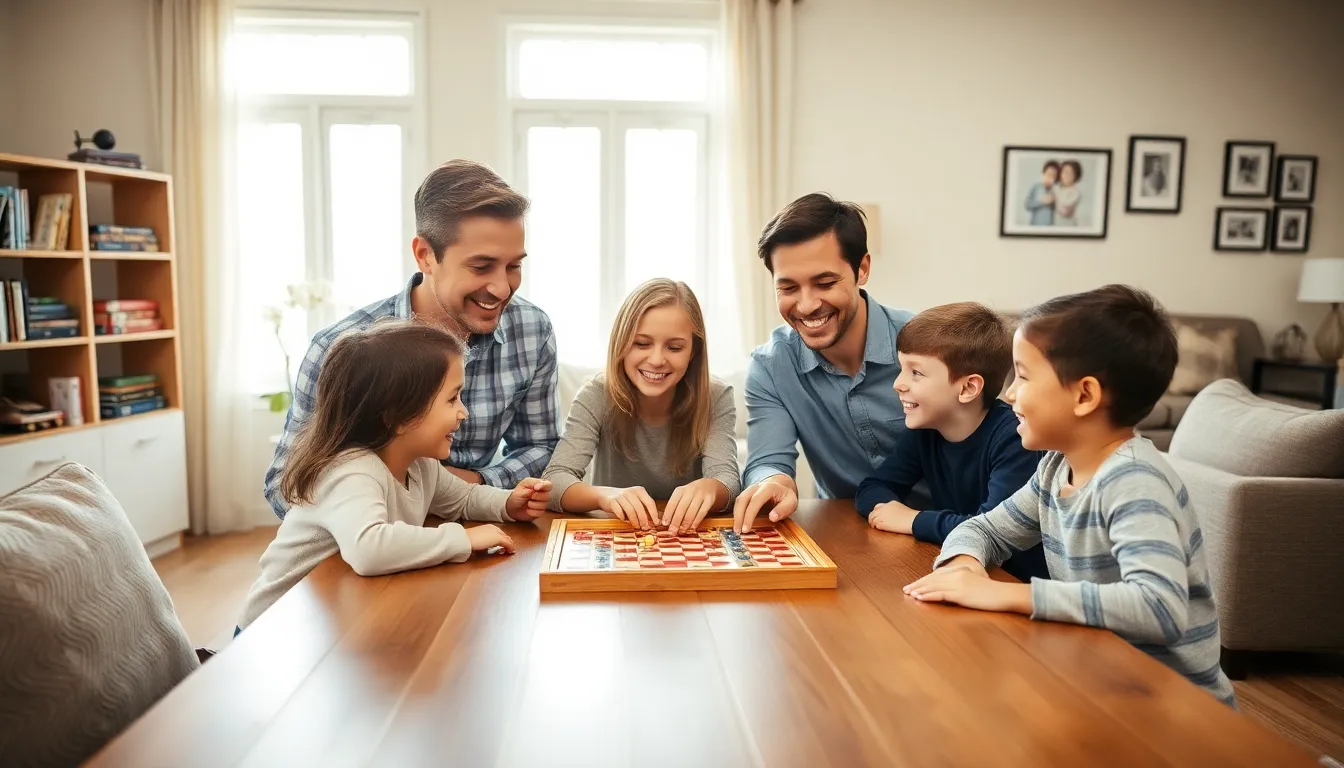
Board games remain popular for good reason. Games like Monopoly, Scrabble, and Clue teach strategy, patience, and friendly competition. Newer options like Ticket to Ride and Codenames appeal to families wanting fresh challenges. Most board games accommodate 2-6 players and take 30 minutes to two hours.
Card Games for All Ages
Card games require minimal equipment and travel well. Uno works for younger children, while older family members might enjoy Rummy or Hearts. Cooperative card games like The Game encourage teamwork instead of competition.
Active Indoor Options
Not all indoor games require sitting still. Charades gets everyone moving and laughing. Balloon volleyball keeps kids active on rainy days. Hide and seek never gets old for younger children, and sardines (reverse hide and seek) adds a twist for older kids.
Puzzle Challenges
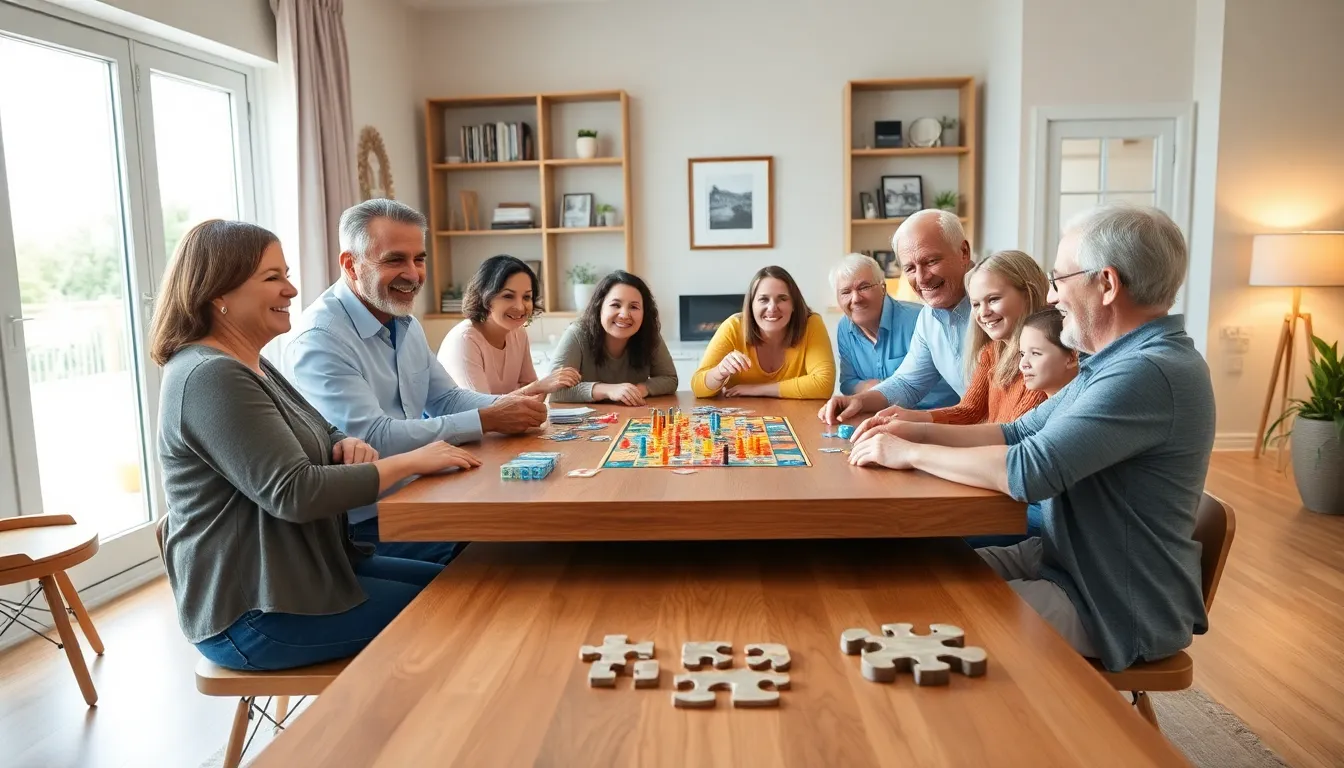
Jigsaw puzzles bring families together for hours of collaborative problem-solving. Start with 500-piece puzzles for mixed-age groups. Escape room puzzle boxes offer time-limited challenges that test communication skills.
Outdoor Activities for Active Family Fun
Outdoor activities give families space to move, explore, and enjoy fresh air together. Physical activity benefits everyone’s health while creating opportunities for conversation and discovery.
Backyard Games
Backyards transform into activity zones with minimal investment. Cornhole, ladder toss, and horseshoes suit all skill levels. Badminton and volleyball nets set up quickly for impromptu tournaments. Water balloon fights provide summer relief.
Nature Exploration
Hiking trails offer exercise and education combined. Families can identify plants, spot wildlife, and collect interesting rocks or leaves. Nature scavenger hunts add structure for younger children. Many parks provide free trail maps with points of interest marked.
Sports and Active Play
Bike rides let families explore neighborhoods and parks together. Frisbee golf (disc golf) has grown in popularity with free courses in many communities. Swimming, whether at beaches or pools, ranks among the most beloved family activities across generations.
Seasonal Outdoor Fun
Each season brings unique outdoor opportunities. Spring invites kite flying and gardening. Summer means camping trips and beach days. Fall offers apple picking and leaf pile jumping. Winter opens doors to sledding, snowman building, and snowball fights.
Creative Projects and Bonding Experiences
Creative projects encourage self-expression while teaching practical skills. These activities produce tangible results families can display, use, or gift to others.
Arts and Crafts
Painting, drawing, and sculpting let family members express themselves visually. Group murals on large paper sheets become collaborative art pieces. Tie-dye projects create wearable memories. Seasonal crafts like ornament making or card designing connect to holidays and celebrations.
Cooking and Baking Together
Kitchen activities teach life skills and result in delicious rewards. Pizza night lets each person customize their creation. Cookie decorating works well for all ages. Families can explore recipes from different cultures, turning dinner prep into a learning experience.
Building Projects
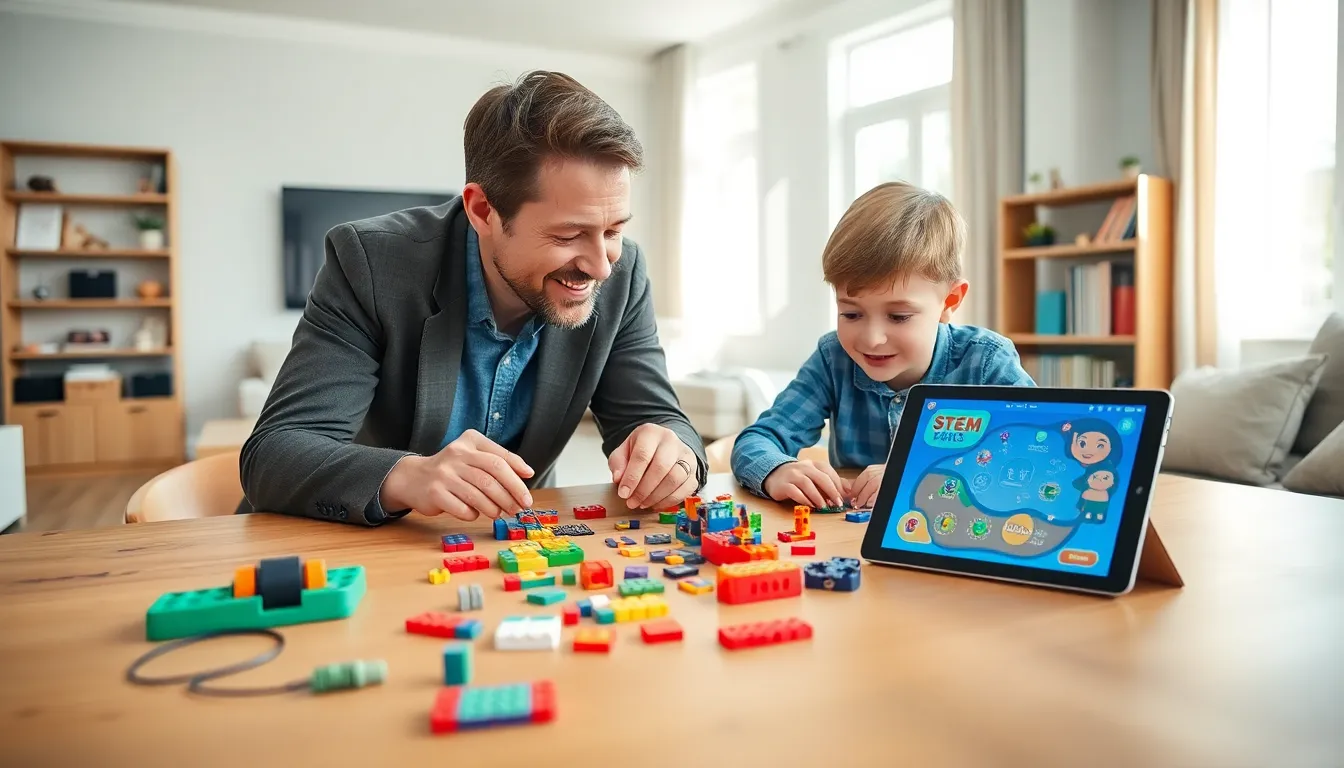
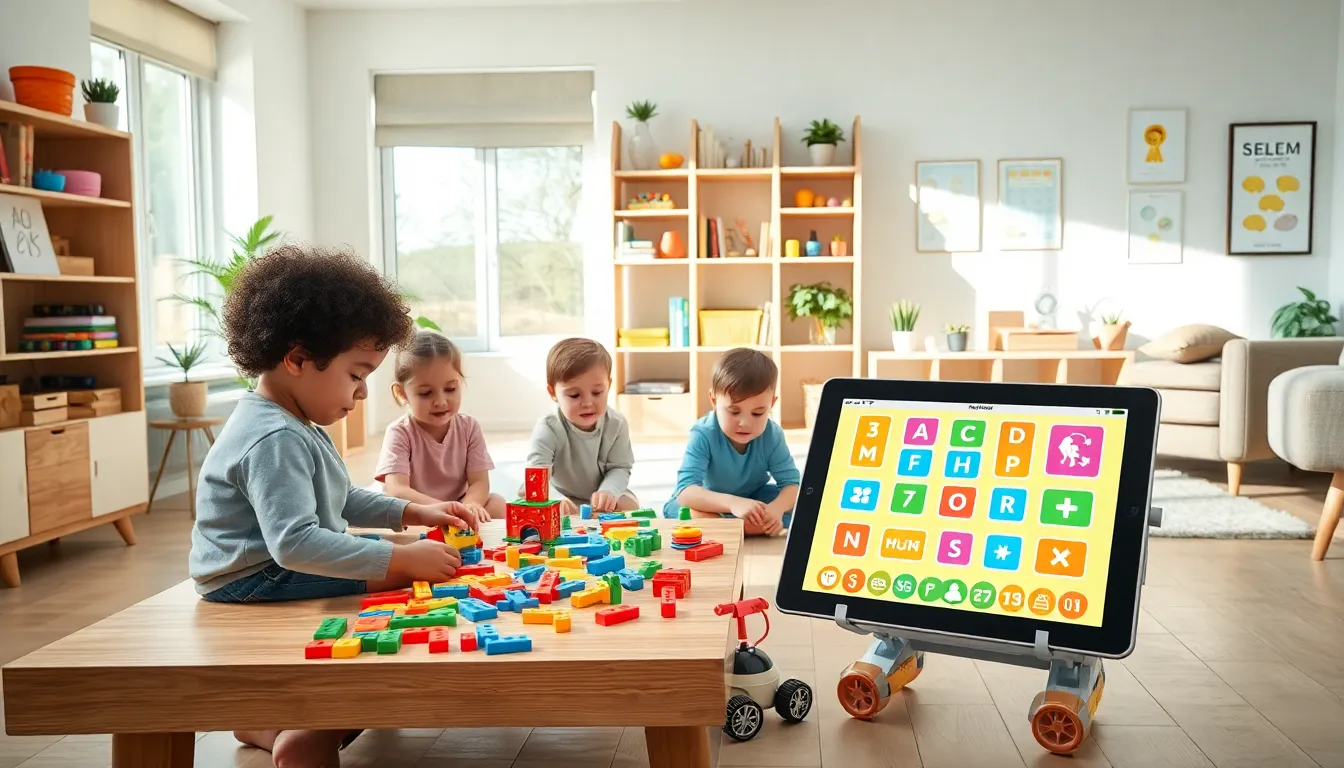
Construction activities range from simple to complex. Younger children enjoy building forts from blankets and pillows. LEGOs provide structured building challenges. Older families might tackle woodworking projects like birdhouses or simple furniture.
Music and Performance
Family talent shows showcase individual strengths and generate plenty of laughter. Karaoke nights let everyone perform favorite songs. Learning instruments together creates shared goals and practice time. Even simple rhythm games with pots and wooden spoons entertain young children.
Tips for Making Family Game Nights a Success
Regular game nights strengthen family bonds when planned thoughtfully. A few key strategies help ensure everyone enjoys the experience.
Schedule Consistently
Pick a recurring time slot that works for the whole household. Weekly game nights build anticipation and routine. Put it on the calendar like any other important appointment. Consistency matters more than frequency.
Rotate Game Selection
Let different family members choose the activity each week. This ensures variety and gives everyone ownership. Keep a list of options so decision-making stays quick. Consider the youngest player when selecting games.
Set Ground Rules
Establish expectations about sportsmanship before playing. No phones at the table keeps attention focused. Define how long games will last, especially on school nights. Agree on how to handle disputes fairly.
Include Snacks
Food adds to the celebration feel. Simple finger foods work best during active games. Special treats make game nights feel like events. Let kids help prepare snacks as part of the experience.
Adapt for Different Ages
Modify rules to include younger players without frustrating older ones. Team up younger children with adults for complex games. Keep backup activities ready if something isn’t working. The goal is connection, not strict rule-following.