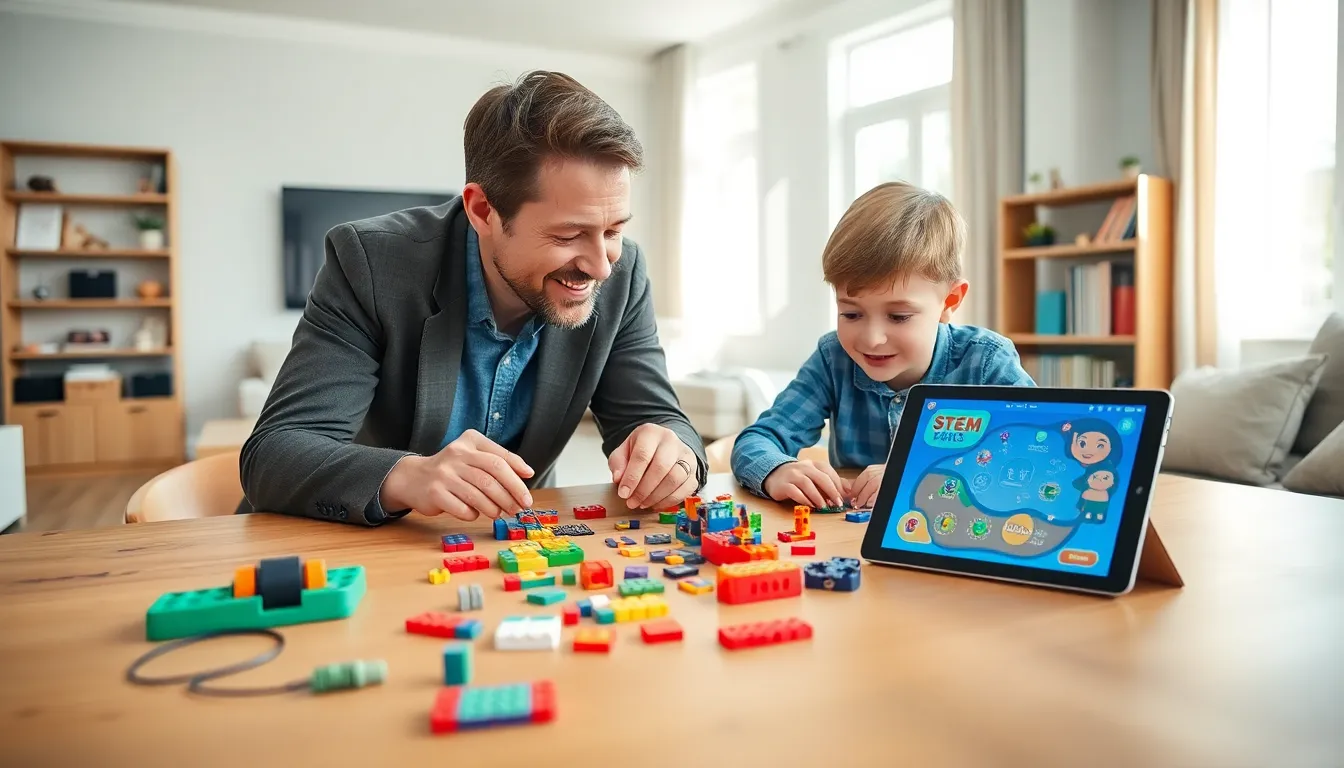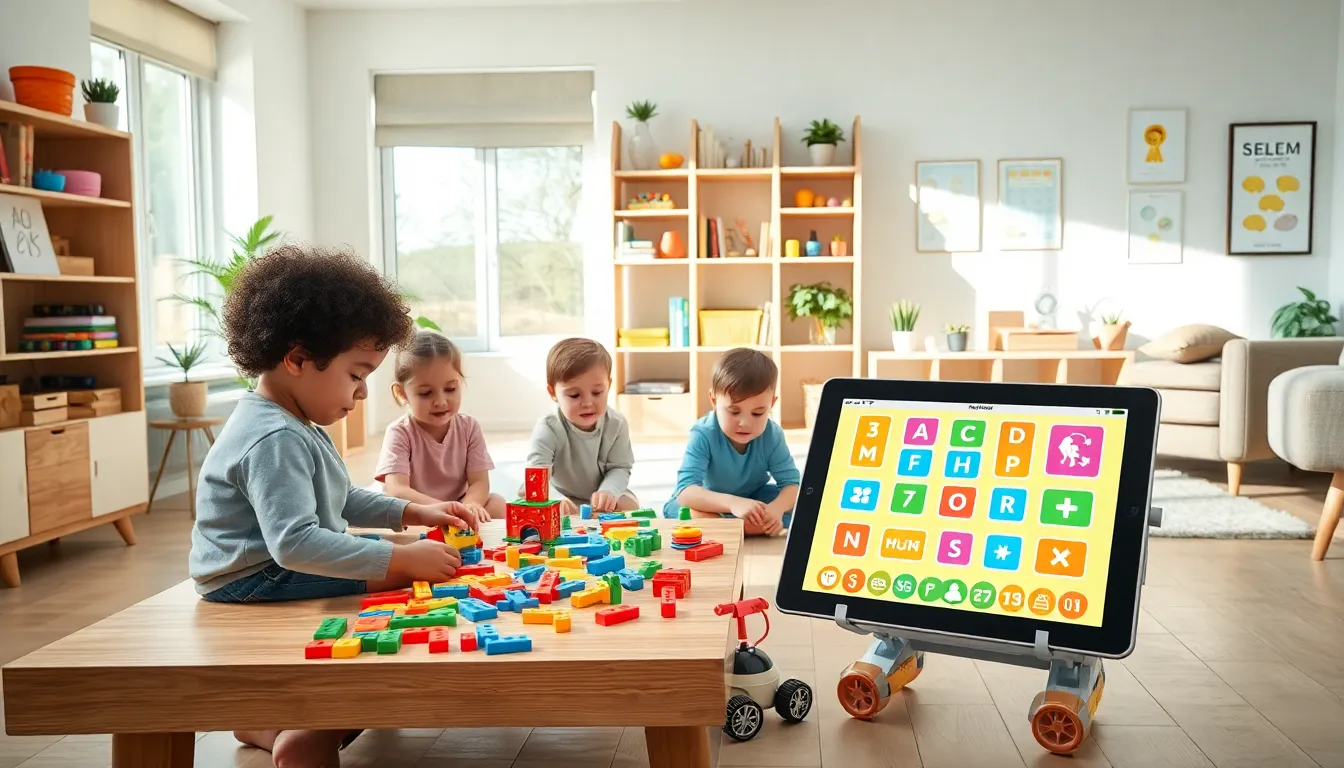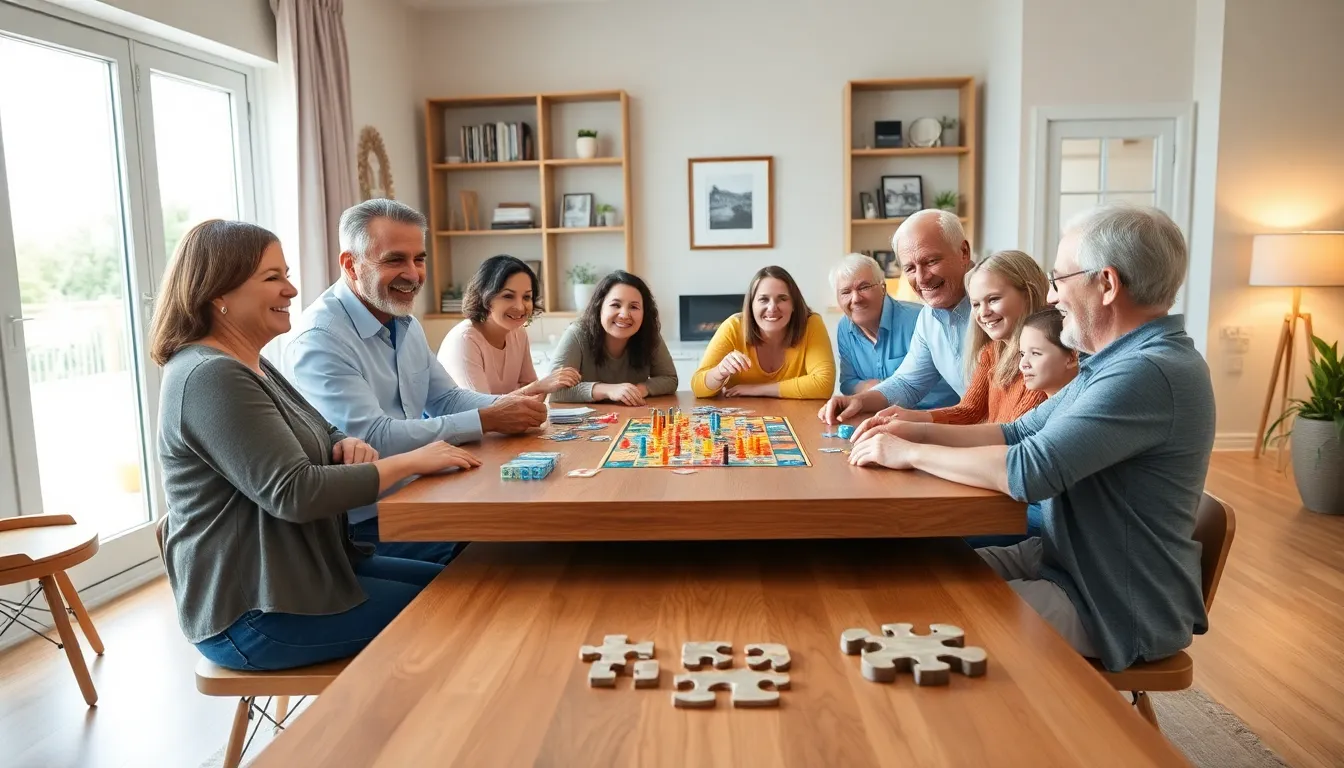
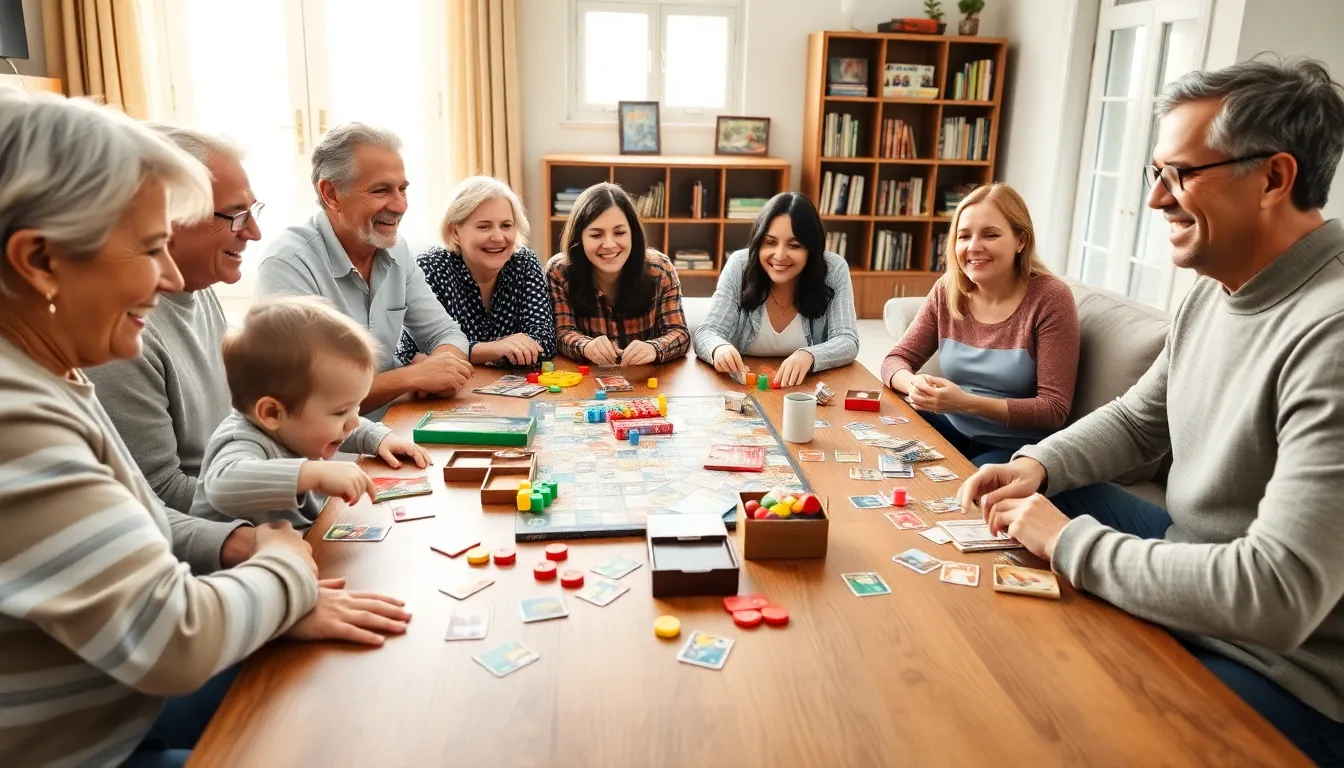
Finding family activities and games that keep everyone engaged can feel like a puzzle. Toddlers want constant movement. Teenagers prefer their phones. Grandparents need something that doesn’t require sprinting. Yet the best family memories often come from shared play, those moments when everyone laughs together over a board game mishap or celebrates a backyard victory.
The good news? Planning family activities doesn’t require a degree in event coordination. It takes some thoughtfulness about who’s playing, what spaces you have available, and how to make game time stick as a regular habit. This guide covers practical strategies for choosing activities that work across age groups, suggests specific games for indoors and outdoors, and offers tips for turning occasional fun into lasting family tradition.
Table of Contents
ToggleKey Takeaways
- Successful family activities and games should match skill levels rather than just ages, ensuring everyone from toddlers to grandparents can participate meaningfully.
- Rotate between indoor board games, card games, and outdoor activities throughout the week so every family member gets their preferred style regularly.
- Schedule family game time like an appointment—consistency builds stronger relationships more than occasional long sessions.
- Choose games with simple rules, short rounds, and luck-based elements so kids can occasionally beat adults and stay engaged.
- Let each family member suggest activities monthly to increase buy-in, especially from reluctant teenagers.
- Ban phones during family activities and keep games visible in shared spaces to make regular playtime a lasting habit.
Choosing Activities That Work For All Ages
The first step in planning family activities is understanding who’s at the table, literally. A game that’s perfect for school-age kids might bore teenagers or frustrate younger children who can’t follow complex rules.
Consider skill levels, not just ages. A five-year-old who loves puzzles might handle a strategy game better than an eight-year-old who prefers physical activities. Watch what each family member gravitates toward naturally.
Look for adjustable difficulty. Many family games include variants that let younger players participate meaningfully. Ticket to Ride, for example, has a simpler “First Journey” version. Card games like Uno work because luck balances skill gaps between players.
Mix activity types throughout the week. Some family members thrive with physical games. Others prefer sitting and thinking. Rotating between active outdoor activities and calm indoor games ensures everyone gets their preferred style regularly.
Ask for input. This sounds obvious, but families often skip it. Let each person suggest one activity per month. Kids feel ownership when their ideas get picked. Even reluctant teenagers engage more when they’ve had a voice in the selection.
The goal isn’t finding one perfect family activity. It’s building a rotation of games and activities that gives each person something to look forward to.
Indoor Games The Whole Family Can Play
Rainy days and cold evenings call for indoor family games. The right choices keep everyone entertained without requiring much space or equipment.
Board Games That Bridge Age Gaps
Codenames: Pictures works for ages 8 and up, using images instead of words so reading ability doesn’t matter. Teams compete to identify their cards based on one-word clues. It sparks creativity and generates plenty of laughter when clues go hilariously wrong.
Apples to Apples Junior adjusts the popular party game for younger players. Everyone participates equally, and there’s no reading pressure beyond simple words.
Jenga requires zero explanation. The tension builds naturally as the tower wobbles. Kids as young as four can play, and it stays fun for adults.
Quick Card Games
Spot It (also called Dobble) takes five minutes to learn. Players race to find matching symbols between cards. It works for ages 6 and up, and rounds move fast enough that losing doesn’t sting.
Go Fish and Crazy Eights remain classics for good reason. Young children can handle the simple rules while older family members enjoy the social interaction.
Active Indoor Options
Family activities don’t have to mean sitting still. Indoor scavenger hunts keep kids moving. Charades costs nothing and scales from simple animals for toddlers to movie titles for teens. Dance parties with everyone picking songs create energy and connection.
The best indoor family games share common traits: simple rules, short rounds, and outcomes where luck matters enough that kids can beat adults sometimes.
Outdoor Activities For Quality Time Together
Fresh air changes family dynamics. Something about being outside reduces tension and increases cooperation. Outdoor family activities also tire out energetic kids, a practical bonus.
Backyard Games For All Ages
Cornhole (bean bag toss) works across generations. Younger kids stand closer to the boards. Grandparents can participate without running. Games stay competitive without becoming intense.
Capture the Flag scales well for larger family gatherings. Assign younger children to guard roles while older kids and adults do the running. Teams mix ages so everyone contributes.
Frisbee golf requires only a disc and some targets, trees, lawn chairs, trash cans. Create a course around any yard. It’s walking, throwing, and light competition wrapped together.
Adventures Beyond The Backyard
Nature walks with a mission beat aimless hiking. Give each family member a scavenger hunt list: find three different leaf shapes, spot a bird, locate something red. The hunt gives purpose to movement.
Bike rides work when routes match the youngest rider’s ability. Short loops with snack stops keep everyone happy. Some families make it a tradition to end at an ice cream shop.
Park days offer built-in variety. Playgrounds occupy younger kids while older family members toss a ball or set up a picnic. The change of scenery from home refreshes everyone.
Outdoor family activities don’t need elaborate planning. A simple walk after dinner, a quick game of tag, or twenty minutes throwing a ball around creates connection without requiring major time investment.
Tips For Making Family Game Time A Regular Habit
Occasional family activities are nice. Regular family game time builds stronger relationships. Here’s how to make it stick.
Schedule it like any other appointment. “We should play games more” never becomes reality. “Sunday at 4 PM is family game time” actually happens. Put it on the calendar. Protect it from other commitments.
Start small. Thirty minutes weekly beats two-hour sessions that happen twice a year. Kids and adults alike can commit to brief windows. Expand the time as the habit takes root.
Create a dedicated game space. A shelf with family games visible in the living room serves as a constant reminder. Games stored in closets get forgotten. Accessibility matters.
Rotate who picks the activity. This prevents one person (usually a parent) from always choosing. It also means everyone occasionally plays something outside their preference, good practice for family life in general.
Ban phones during game time. This rule applies to adults too. Checking messages signals that the activity isn’t important. Full attention from everyone makes the experience meaningful.
Document the fun. Take photos during family activities. Create a tradition of recording high scores or funny moments. Kids love looking back at these memories, and the documentation reinforces that game time matters.
Accept imperfection. Someone will have a bad attitude sometimes. A game will fall flat. The dog will knock over the Jenga tower. Keep showing up anyway. Consistency over time matters more than any single session.